
Review · ITALY GARDEN TOURS
Radici: IImmerse yourself in the heady scents of our garden
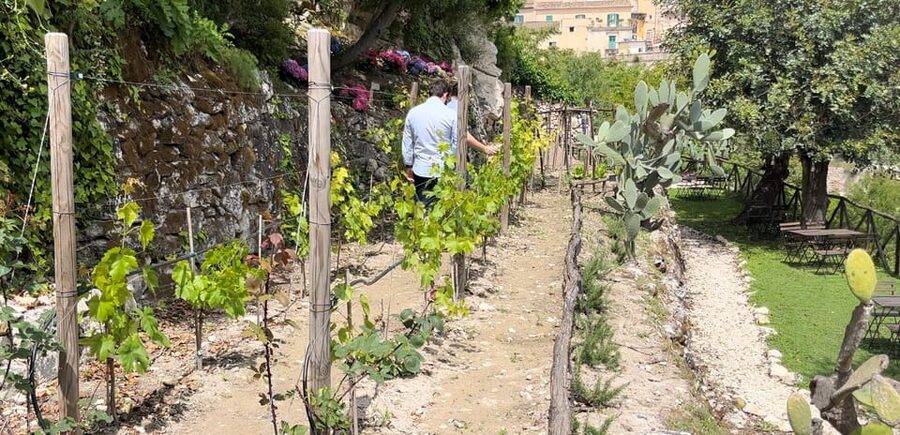
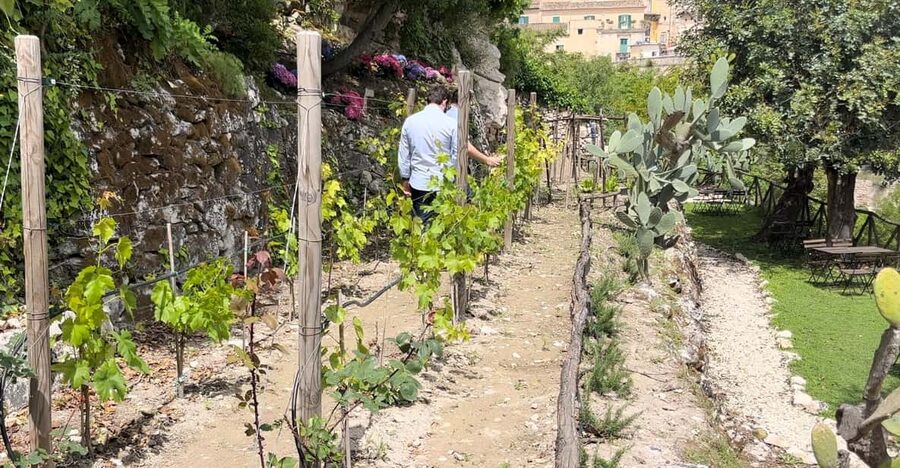
A secret garden sits just beyond the grand churches and stone streets of Ragusa Ibla. Here, you trade crowds and stairways for herb beds, flowers, fruit trees, old masonry and the occasional frog or hedgehog. It is an unusual way to see the town, especially if you want more than another monument tour.
I like the garden’s strong sense of place, including a section of 15th-century wall and a dry-stone wall built without mortar. I also like the hands-on ending: you compose an aromatic plant rather than simply taking photos and moving on. The main drawback is access, since stairs lead to the upper part and the tour is not suitable for people with mobility impairments.
Key points to know
- A quiet garden near Ragusa Ibla’s UNESCO monuments: You stay close to the historic center while stepping away from its busiest paths.
- Old walls add a historical layer: The garden includes part of a 15th-century wall and a striking wall made without binding material.
- Plants are the main attraction: Expect aromatic herbs, flowers, fruit trees and species typical of southeastern Sicily.
- Small groups keep the walk personal: The group is limited to 10 people, with a live guide in English or Italian.
- You make an aromatic seedling: The included plant gives you a simple, useful souvenir.
- Plan for stairs and weather: The route climbs toward the top and may be canceled in rain.
A garden hiding above Ragusa Ibla
Ragusa Ibla is famous for Baroque churches, handsome stone buildings and steep streets. This activity shows you a quieter side of the town, only a short distance from those better-known sights. The setting is not a grand public garden with formal paths. It is a collection of historic plots, planted and cared for as a living garden.
That difference matters. You are not simply looking at decorative beds. You are walking through a working space where aromatic plants, flowers and trees typical of the area share room with old walls and small animals. The result feels closer to a private Sicilian garden than to a standard sightseeing stop.
The garden is arranged on levels, so the route has a natural sense of movement. You make your way through the plots and gradually reach the top. From there, you can look back toward Ragusa Ibla, with views that add a useful visual link between the garden and the town’s stone architecture.
I would place this activity after your first look at Ibla rather than before it. Once you have seen the churches and streets, the garden gives you a calmer setting in which to understand the plants, terrain and old building methods that belong to this corner of Sicily.
More Garden Tours in Italy:
- Florence: Reserved Entry Ticket to the Boboli Gardens
★ 4.4 · 5,275 reviews - Rome: Borghese Gallery and Gardens Guided Small-Group Tour
★ 4.6 · 2,783 reviews - Rome: Borghese Gallery & Gardens Small Group Guided Tour
★ 4.5 · 2,190 reviews
What happens during the 45-minute walk
The published duration is 45 minutes, although the description also refers to a walk of about one hour. Allow roughly an hour in your plans, particularly if you are visiting with a young child or if the guide pauses often for plant details. The tour is guided throughout, and the group limit of 10 people should make it easier to hear and ask questions.
Your first impression is likely to be the contrast. Ragusa Ibla can feel busy around its monuments, while this garden offers a more peaceful pace. The walk passes through historic pieces of land rather than a sequence of formal attractions, so the pleasure comes from noticing small details.
Look for aromatic plants at ground level, flowers that change with the season and fruit trees that show how useful plants fit into the garden. The exact display depends on the time of year. A visit in one season may focus on flowers, while another may offer more interest in herbs, foliage or fruit.
The guide explains the plants and their background as you walk. Beaha has led tours here and is described as friendly and able to introduce visitors to the herbs and fruit trees. French may also be available with Beaha, although English and Italian are the stated tour languages. Matthias has also guided the walk, and owner Daniele may be present.
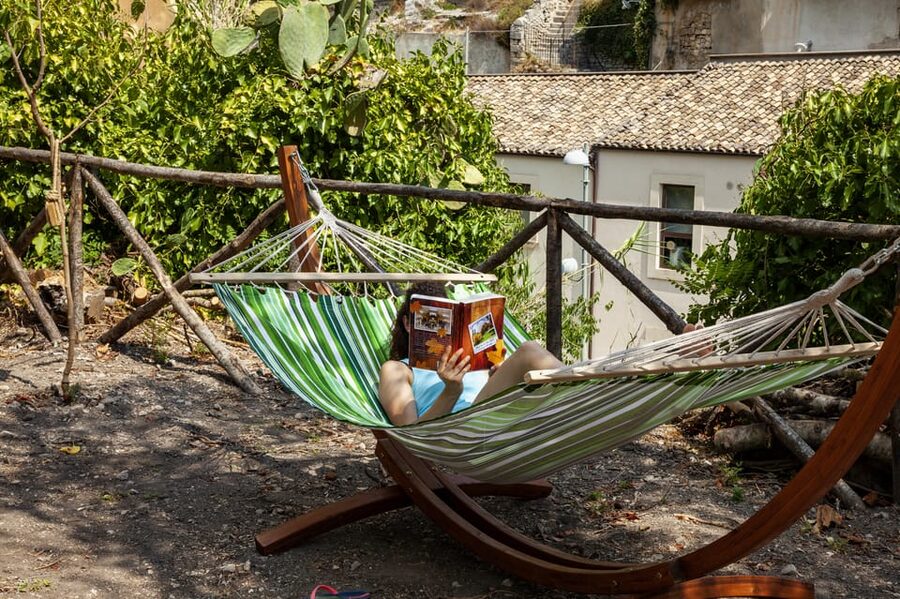
This is not a tour for rushing from one talking point to the next. You will get more from it if you slow down and pay attention to smells, textures and small movements in the garden. Frogs, hedgehogs and birds are occasional residents, so keep your eyes open rather than expecting a staged wildlife encounter.
The old walls give the garden its character
Plants would be enough to make this a pleasant stop, but the masonry gives the visit extra weight. One section of the garden includes part of a 15th-century wall. That is a useful reminder that these plots have not appeared from nowhere. They sit within the older fabric of Ragusa.
Another wall uses a traditional dry-stone technique, with stones fitted together without mortar or another binder. It is a simple feature, but one worth seeing closely. You can study how the stones support one another, rather than treating the wall as background scenery.
The walls also help explain why this place feels different from a modern botanical garden. They mark old boundaries and connect the plants to the town’s long pattern of cultivation. You are seeing a small piece of local building and gardening practice in the same walk.
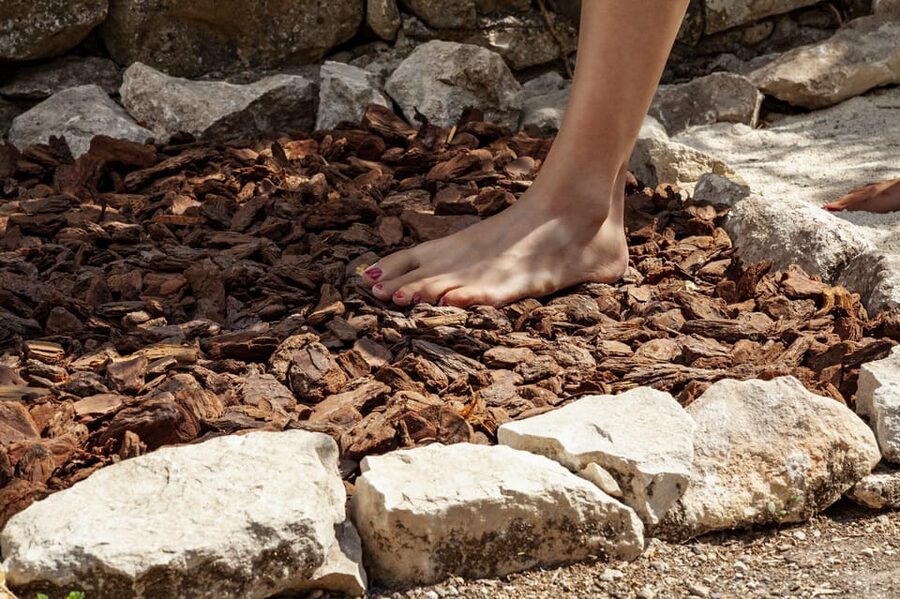
The route is not entirely level. You will climb stairs to reach the top of the tour, and that should shape your decision before booking. The activity is specifically not suitable for people with mobility impairments. Bare feet are not allowed, so wear proper footwear for the uneven, stepped setting.
Aromatic plants, flowers and seasonal interest
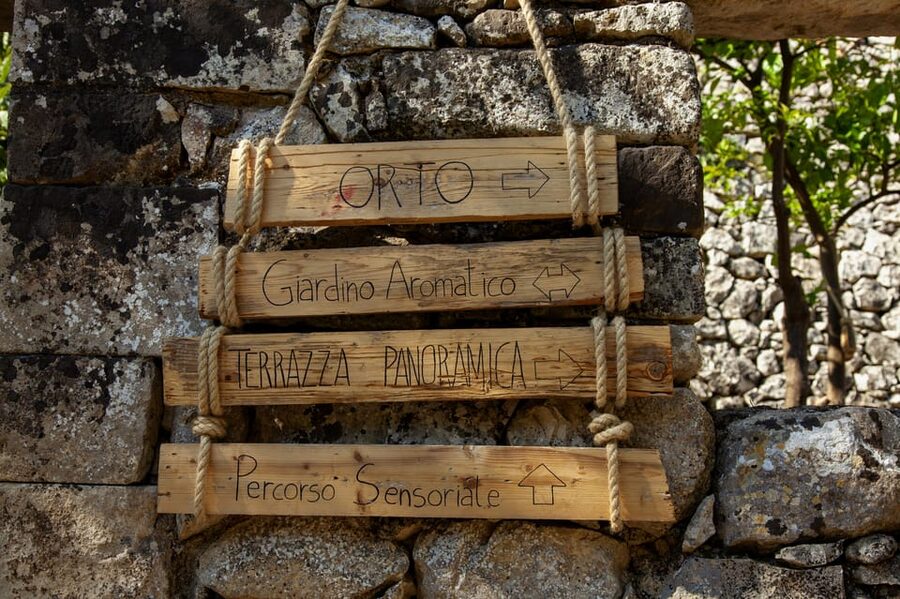
The garden’s plant collection is varied, with aromatic species, flowers and trees typical of the area. That variety is one of the strongest reasons to book this instead of simply taking a short walk through Ibla’s streets. You get a closer look at the plants that give Mediterranean gardens their scent and practical character.
The experience is especially appealing if you enjoy identifying herbs or learning how plants fit into everyday life. The guide can point out the different species and explain their place in the garden. You should not expect a formal botany lesson, but you will come away with more than a general impression of some nice greenery.
Timing matters. Flowering periods change, and the garden will not look identical throughout the year. If flowers are your main interest, ask about current conditions when you check available start times. If you visit outside peak bloom, the aromatic plants, fruit trees, walls and views still provide reasons to go.
Families can find plenty to notice here. A three-year-old enjoyed collecting herbs, flowers and stones during the walk, which suggests that children who like gentle outdoor exploration may respond well to it. Still, the steps and the rule against bare feet mean you should keep comfort and supervision in mind.
The garden’s wildlife is another small bonus. Frogs, hedgehogs and birds may appear, but they are not guaranteed, and the tour should not be booked as a wildlife outing. Think of them as part of the garden’s everyday life, not a scheduled feature.
Same corner of the map, a different planting:
- Florence: Pitti Palace and Boboli Gardens Ticket & eBook
★ 4.5 · 835 reviews - Caserta Royal Palace & Gardens Small Group Tour with Shuttle
★ 4.9 · 632 reviews - Florence: Pitti Palace, Boboli Garden, Palatine Gallery Tour
★ 4.9 · 558 reviews - Tremezzina: Villa Carlotta Museum and Garden Entry Ticket
★ 4.7 · 556 reviews
Making your own aromatic seedling
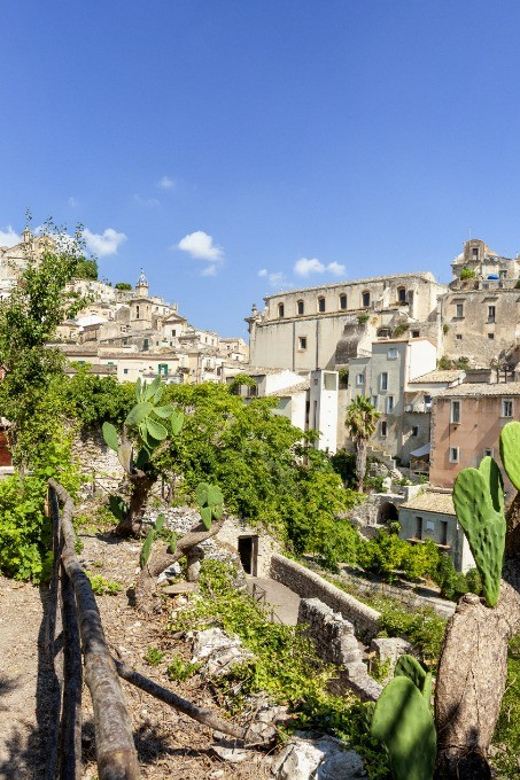
The final activity gives the tour a clear ending. Instead of finishing at the garden gate after a talk, you compose an aromatic seedling with the guide. Entrance, the guided walk and the plant are included in the price.
This is a modest souvenir, but it is a good one. A small plant connects your memory of Ragusa to something you can care for at home. It also fits the spirit of the garden better than a generic keepsake from a shop.
The planting activity should appeal to families and to anyone who prefers a practical experience. You are not just looking at local plants. You are handling one and taking part in a simple piece of garden work. The details of the composition are not specified, so do not expect a long workshop or a full gardening class. The value lies in the personal finish.
If you are carrying luggage or continuing directly to another activity, consider how you will look after the seedling. The information provided does not specify its size or packaging, so ask the guide if you need to transport it for several hours.
How the guides shape the visit
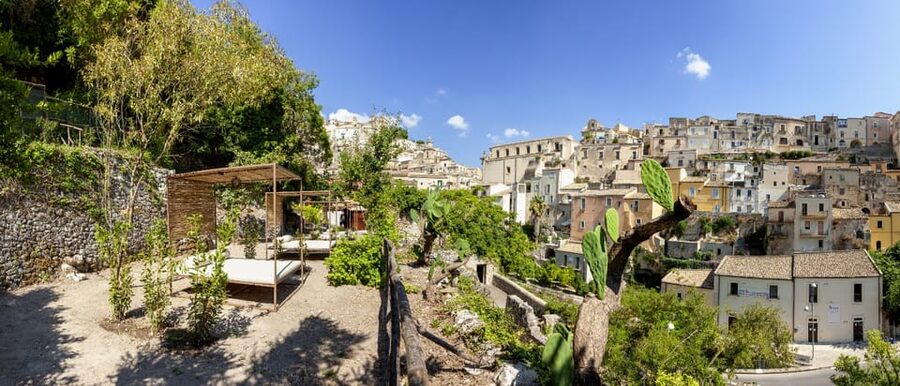
A garden like this depends heavily on the person leading the walk. The route itself is short, but the guide adds the context that turns a pleasant stroll into a worthwhile visit.
Beaha introduces the plants and fruit trees and may be able to speak French as well as the main tour languages. Matthias has also led the garden walk. Daniele, the owner, may be on hand, giving you a chance to meet someone directly connected to the garden.
The group size is limited to 10, which is important here. Narrow paths, planting beds and small historical details are easier to appreciate when the group is not large. You should be able to stay close to the guide and ask about a plant or wall without shouting across a crowd.
English and Italian are the stated languages. French may be possible with Beaha, but it is not listed as a standard language for every departure. If language is important to your plans, confirm it when booking.
The guides are also the reason this is not a self-guided garden visit. The route can only be followed with the guide, and the explanations cover the garden, its species and their history. You will get much less from the setting if you simply want to wander alone.
Is $17 a fair price?
At $17 per person, this is a reasonably priced small-group activity in a major Sicilian sightseeing town. You are paying for entrance, a live guided walk and an aromatic seedling. The price is not just for access to a garden, which makes the value stronger than a simple admission ticket.
The activity lasts less than a full morning or afternoon, so it will not replace a major excursion. Its value comes from filling a short part of your day with something distinctive. If you are already in Ragusa Ibla, the location near the UNESCO monuments means you do not need to commit to a long transfer or a separate day trip.
I think the price works best for visitors who enjoy local detail and small-scale experiences. You get a personal guide, a garden that is not open as a standard walk-through attraction and a take-home plant. If your main aim is sweeping architecture or a long historical tour, spend your money elsewhere.
The high rating of 4.7 from seven reviews supports the general picture of a well-run, enjoyable visit, but the sample is small. I would treat that score as encouraging rather than decisive. The practical details are more important: stairs, possible rain cancellation, seasonal changes and the short duration.
Who should book this garden walk?
I would recommend Radici to nature lovers, families with children who enjoy outdoor activities, couples looking for a quiet break and repeat visitors who have already seen Ragusa Ibla’s main monuments. It also suits anyone who likes meeting a local guide and learning through plants, walls and everyday details.
This is a good choice if you want a change of pace. The garden gives you somewhere peaceful to sit mentally for a while, even though the route climbs. You can focus on scent, plant forms, old stonework and views rather than squeezing another church into your schedule.
I would be cautious if you have limited mobility, dislike stairs or want a completely weatherproof activity. Rain may cancel the tour, and the garden’s appeal depends partly on being outdoors. It is also not designed for visitors seeking food and drink, since neither is included.
The experience is suitable for small children, but it is not a playground. The garden has natural features to notice and collect, yet the route includes steps and planted areas that need care. Adults should stay close, especially near the upper sections.
Practical details before you go
Book with the weather in mind. The tour may be canceled in rain, and the garden will be most enjoyable when paths and planting areas can be explored comfortably. Free cancellation is available up to 24 hours before the activity for a full refund, and you can reserve now and pay later.
Wear enclosed, comfortable shoes. You will climb stairs, and bare feet are not allowed. The information does not specify a dress code beyond that rule, but sensible footwear is the clear priority.
The tour does not include food, drinks or gratuities. Plan to eat separately before or after the walk. Since the activity is short, it can fit around sightseeing in Ragusa Ibla rather than taking over your day.
Remember that the listed duration is 45 minutes, while the description also refers to about one hour. I would avoid scheduling another appointment immediately afterward. A little breathing room is sensible, especially if the guide spends extra time explaining a plant or if your group includes children.
Should you book Radici: Think Natural?
Book it if you want a quiet, personal look at Ragusa Ibla beyond its famous Baroque buildings. The old walls, aromatic plants, local trees, wildlife and final seedling make this more memorable than a basic garden stroll. At $17, the guided format and included plant offer good value for a short activity.
Skip it if stairs are difficult, rain is likely or your time in Ibla is so limited that every minute must go to the major monuments. For everyone else, this is a smart pause between churches and viewpoints, with enough local character to justify the detour.
FAQ
Where does the garden tour take place?
It takes place in a secret garden a few steps from the UNESCO monuments in the historic center of Ragusa Ibla, Sicily.
How long does the experience last?
The activity is listed as 45 minutes. Its description also refers to a peaceful walk of about one hour, so allow some flexibility in your schedule.
What languages are available?
The standard tour languages are English and Italian. Beaha may also speak French.
What is included in the price?
The price includes entrance, a guided tour and an aromatic seedling that you compose during the experience.
Is the tour suitable for people with mobility impairments?
No. You will climb stairs to reach the top of the tour, and the activity is not suitable for people with mobility impairments.
Can the tour be canceled because of weather?
Yes. The tour may be canceled in case of rain.
How many people are in each group?
The activity uses a small-group format limited to 10 participants.
Just added around Italy
- Lake Maggiore Gourmet: Gardens, Lake Cruise, & Food Tasting★ 4.5 · 19 reviews
- Vatican: Gardens, Museums and Sistine Chapel Guided Tour★ 4.2 · 98 reviews
- Venice: Convent Garden of Redentore Entry Ticket★ 4.3 · 5 reviews
- Varenna: Villa Cipressi Gardens Entry Ticket on Lake Como★ 4.6 · 39 reviews
- Vatican Gardens & Castel Sant’Angelo Skip-the-line tickets★ 4.3 · 20 reviews
- Valley of the Temples: Kolymbethra Garden Entry Ticket★ 3.5 · 43 reviews
- Typical Apulian menù in the garden of an ancient Trullo★ 5.0 · 11 reviews
- Venice: panoramic lunch in St. Mark’s Square Royal Gardens★ 3.0 · 12 reviews
Italy Garden Tours, compared.


Borghese Gallery & Gardens Small Group Guided Tour
Read our review →
Caserta Royal Palace & Gardens Small Group Tour with Shuttle
Read our review →
Pitti Palace, Boboli Garden, Palatine Gallery Tour
Read our review →
Tremezzina: Villa Carlotta Museum and Garden Entry Ticket
Read our review →
Sorrento: Lemon Garden Tour with Marmalade Tasting
Read our review →
Vatican: Vatican Gardens with Bus Tour & Vatican Museums
Read our review →Caserta Royal Palace & Gardens Small Group Tour with Shuttle
Read our review →Browse the lists this tour appears in