
Review · CHINA GARDEN TOURS
Suzhou:Humble Administrator’s Garden Ticket for Adult
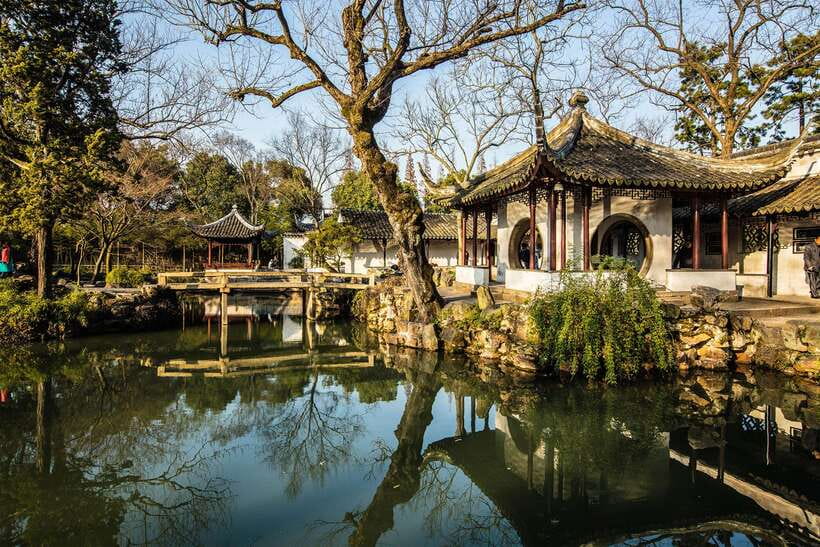
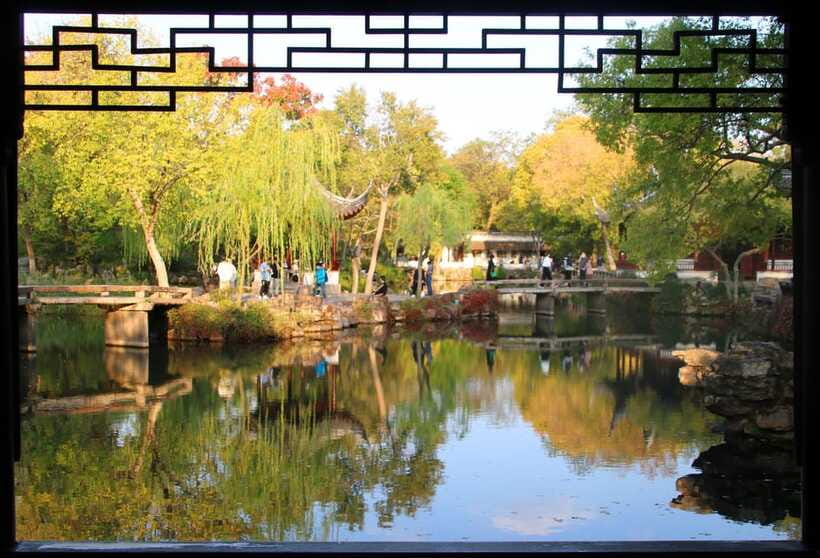
Suzhou’s Humble Administrator’s Garden is the kind of place where a pond can feel like a whole world. Built in the early 16th century, this Ming Dynasty garden uses water, rocks, plants, old trees, and small pavilions to create carefully framed views. The central section, with its lotus ponds and winding paths, is the heart of the visit.
I like the sheer range of scenery here, from the quiet water to the symbolic rockeries and elegant halls. I also like that a single ticket gives you access to all three sections of one of Suzhou’s most important classical gardens. The main caution is practical: two recent bookings reported invalid QR codes, so you should verify your voucher before relying on it.
- 52,000 square meters of classical garden design: The garden is the largest of Suzhou’s nine classical gardens.
- Three distinct sections: The eastern, central, and western areas each use different arrangements of water, plants, architecture, and rock.
- Lotus ponds at the center: The central water area provides the garden’s most famous views, especially around the Pavilion of Lotus.
- Ming Dynasty atmosphere: The design reflects the tastes of scholars and officials who used gardens as private retreats.
- Adult admission for one day: The ticket covers entry, but no guide, transport, or clearly stated night performance.
- Passport and QR code required: Bring the passport used when booking, and have a backup plan if the electronic voucher fails.
Why Humble Administrator’s Garden Deserves Your Time
Suzhou is famous for classical gardens, and Humble Administrator’s Garden is the grandest example. It covers more than 52,000 square meters, making it large enough to feel like a proper outing rather than a quick courtyard visit.
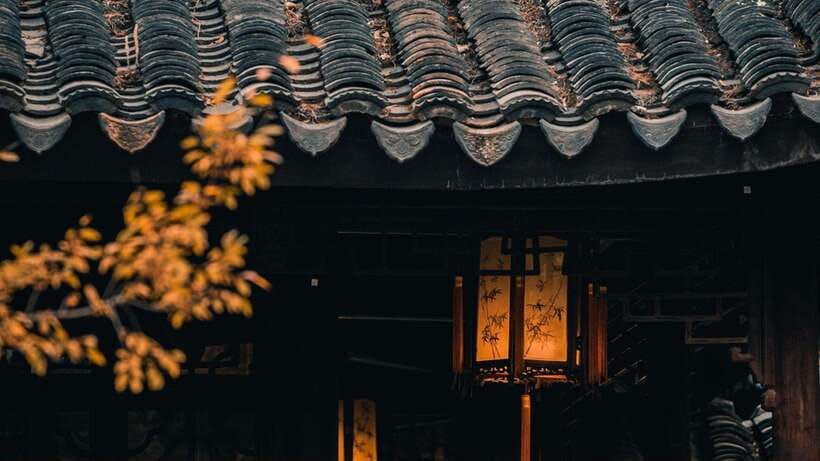
The garden was created during the Ming Dynasty in the early 1500s. Its name carries an old literary idea: a modest official tending a garden rather than chasing status. That spirit helps explain the design. You are not looking at a formal European park with broad lawns and straight avenues. You are moving through a series of intimate scenes, each arranged to reveal water, stone, greenery, or a roofline at just the right moment.
I like this kind of sightseeing because the beauty is not all presented at once. A wall may block the view, then a gate opens onto a pond. A path bends past a rockery, and suddenly a pavilion appears across the water. The garden asks you to slow down and notice small changes.
The setting also gives you a useful introduction to traditional Chinese aesthetics. Water suggests openness and movement. Rocks represent mountains. Plants add seasonal change. Buildings provide shelter and framed views. None of these parts is meant to work alone. Their value comes from the way they sit together.
The Eastern, Central, and Western Sections
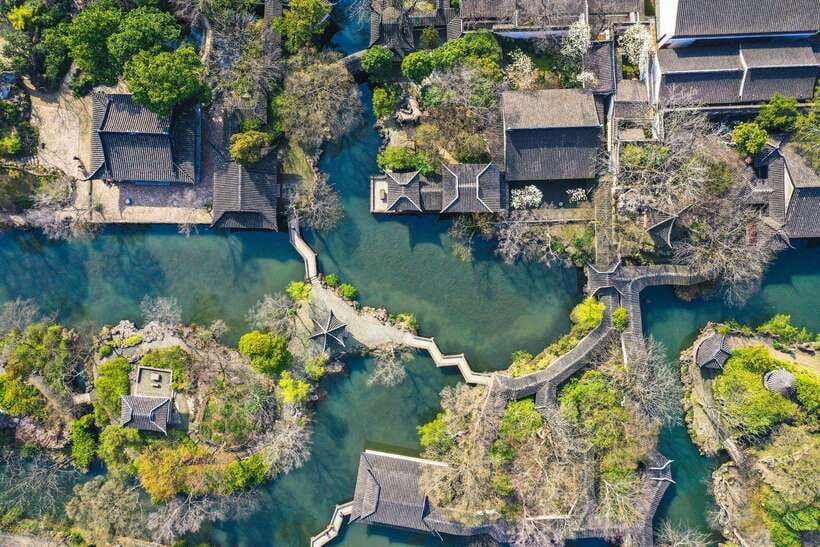
The garden is divided into three main parts. You should expect each area to have its own mood rather than feeling like one long repeated sequence.
The eastern section gives you an early sense of the garden’s scale and its use of planted areas, paths, water, and buildings. It is a good place to get your bearings. Instead of hurrying toward the most famous pond views, take a moment to notice how the garden combines open areas with more enclosed corners.
The central section is the main event. This is where the broad water areas, lotus-filled ponds, winding routes, and carefully placed pavilions create the garden’s most recognizable scenes. If your time is limited, give this section the largest share of it.
The central area works because the water acts like a mirror and a road. It links separate buildings while also opening sightlines across the garden. The Pavilion of Lotus is especially important, offering views toward the central water area. Lotus flowers are a major part of the garden’s identity, though the exact display will depend on the season.
The western section adds another set of buildings, planting, rocks, and water views. It is worth seeing because the garden’s appeal comes from its variety. You may find the western area less immediately famous than the central section, but it helps complete the design and shows how the same materials can create a different mood.
There is no stated guided route, timed stop, or tour commentary. This is a self-directed admission visit. You set your own pace, which suits anyone who likes to pause for photographs or sit quietly near the water.
Entry tickets around China:
- Shanghai: Yu Garden Admission Ticket
★ 4.6 · 260 reviews - Beijing:Jingshan Park (Palace Museum Garden) Ticket
★ 4.5 · 185 reviews - Shanghai: Yu Garden Ticket+Lantern Festival Entry combo
★ 3.7 · 49 reviews
Pavilions, Ponds, and the Art of the Framed View
The garden’s buildings are not simply places to pass through. They act like picture frames. A pavilion can focus your view on a pond. A hall can give you shelter while keeping the scenery in front of you. A wall or doorway can turn an ordinary path into a gradual reveal.
The Hall of Drifting Fragrance overlooks a pond decorated with lotus flowers. Its name points to one of the pleasures of the garden: the experience is not only visual. Plants, water, shade, and changing light all help shape the atmosphere.
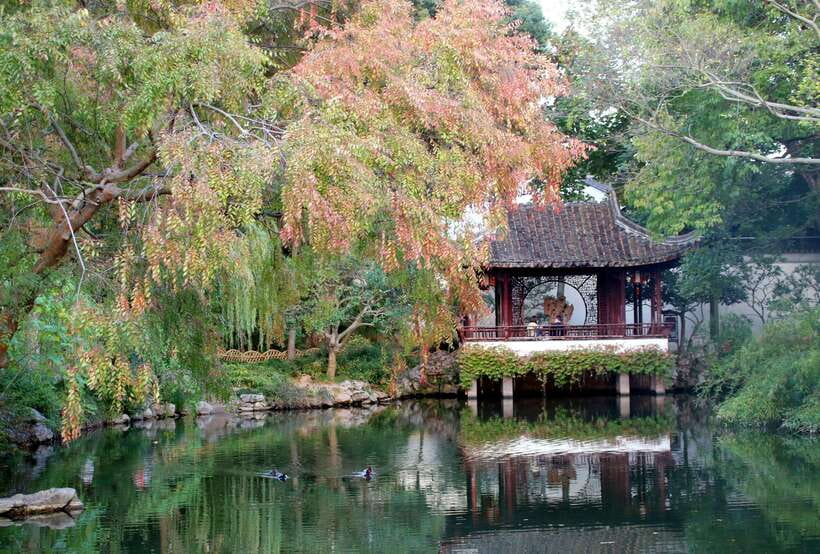
The Pavilion of Lotus provides another strong viewpoint. From here, the central water area becomes the main subject, with architecture and plants arranged around it. I recommend looking beyond the nearest building. In a classical Chinese garden, the most interesting view may be across the pond, through a doorway, or partially hidden behind a screen.
Rockeries play an important role, too. These are not random piles of stone. They symbolize mountains and add height to a mostly horizontal garden. An old tree beside a rockery can suggest age and permanence, while a low wall makes the surrounding space feel more private.
You will probably take many photographs, but the garden makes more sense when you occasionally put the phone away. The arrangement depends on proportion and movement. A picture captures one angle. Walking reveals how one angle leads to the next.
What a One-Day Adult Ticket Actually Covers
The advertised price is $22 per adult for one day. The included item is admission to Humble Administrator’s Garden. There is no stated guide, hotel pickup, transport, meal, or performance included.
That distinction matters. You are paying for access to a major cultural site, not for a hosted tour. If you want historical explanations, you will need to arrange that separately. The benefit is freedom: you can visit at your own speed, return to a favorite pond view, or spend extra time studying the buildings without keeping up with a group.
The price is reasonable if the convenience of advance booking matters to you. It may be less attractive if you are comfortable buying at the gate. One recent booking reported purchasing a ticket directly at the garden with only a two-minute wait, paying about half the online price, with payment available through Alipay and cash.
That report does not guarantee the same queue or price on your date. Conditions can change. Still, it gives you a useful comparison. Before paying $22, check the direct admission option if you are already in Suzhou and can manage the purchase yourself.
The booking also advertises free cancellation up to 24 hours before the visit and a reserve-now, pay-later option. Those features add flexibility, especially when your Suzhou schedule is not fixed. Check the exact availability and starting information for your chosen date.
The QR Code Problem You Should Take Seriously
The most important practical warning is the electronic voucher. The instructions say to present it for direct verification at the garden, and your passport is needed for booking and entry checks.
Two recent bookings reported that the QR code did not work. In one case, the visitor bought another ticket on site instead. One of those reports also said a refund was not provided. That creates a real value problem: an advance ticket is only useful if it can be scanned or verified when you arrive.
Before leaving for the garden, open the voucher and check that the QR code loads clearly. Save it for offline access if possible. Bring the same passport details used during booking. Keep enough time and money available to buy a replacement ticket at the entrance if the code fails.
This is not a reason to reject the garden itself. It is a reason to treat the booking as a convenience purchase rather than a guarantee of a smoother entry. If the online price is much higher than direct admission, buying on site may be the safer and cheaper choice for some people.
More Garden Tours in China:
- Shanghai: Zhujiajiao Private Tour w/ Boat Ride & Garden
★ 5.0 · 460 reviews - Best of Shanghai Day Tour, including Jade Buddha Temple & Bund & Yuyuan Garden
★ 4.0 · 338 reviews - Yu Garden, Old Street, Bund & Zhujiajiao Water Town Bus Tour
★ 4.7 · 244 reviews - Beijing Historical Tour II including Summer Palace, Lama Temple & Panda Garden
★ 4.0 · 187 reviews
Day Visit or Night Program?
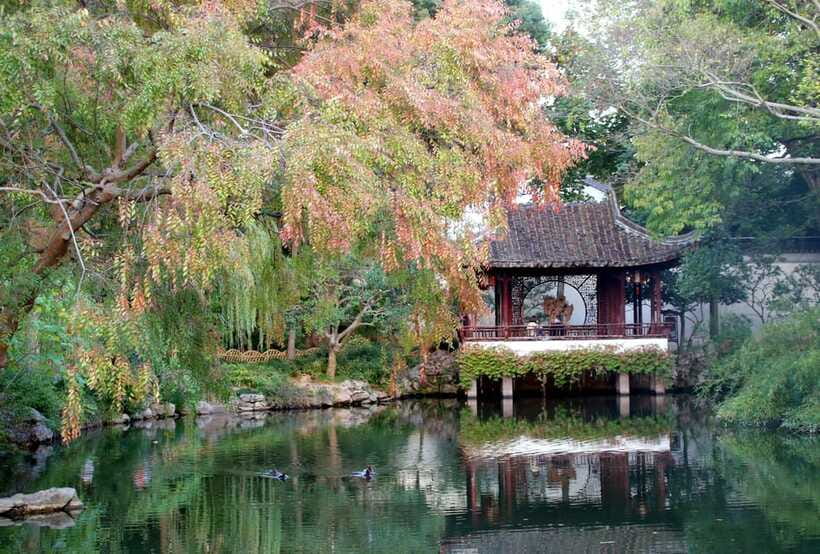
By day, the garden’s design is easiest to study. You can see the relationship between the water, rockeries, plants, walls, roofs, and old trees. Daylight also helps you understand the careful shifts between open ponds and enclosed paths.
The garden may also offer a night program called Zhuozheng Wenya, with soft lighting and cultural performances. The supplied ticket information does not clearly say that this admission includes the night program. Do not assume that a regular daytime entry ticket covers the evening event. Check the operating details before planning around it.
For a first visit, I would choose the daytime experience unless the night program is separately confirmed. The classical design is the main reason to come, and daylight gives you the clearest view of its structure.
Who Will Enjoy This Visit Most?
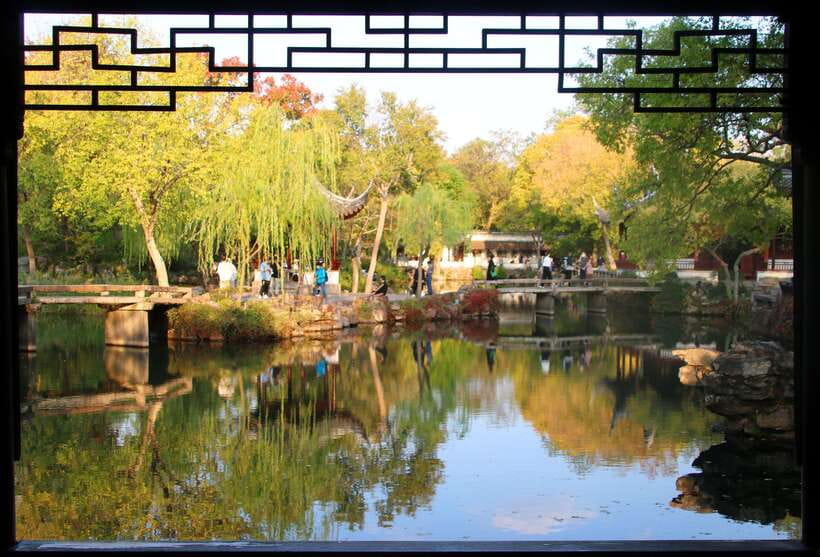
This ticket suits you if you like architecture, gardens, Chinese art, photography, or quiet cultural sites. It is also a good choice if you want a break from busy city streets without leaving Suzhou.
It works especially well for independent sightseers. There is no fixed route or named guide, so you can linger where the view appeals to you. Families may appreciate the open-air setting, although the large area means younger children may tire before you finish all three sections.
History enthusiasts will value the Ming Dynasty setting and the garden’s connection with scholars and officials. You do not need specialist knowledge to enjoy it, but knowing that the rockeries represent mountains and the ponds help organize the entire design makes the visit more rewarding.
The experience may be less suitable if you expect a guided tour with detailed explanations at every building. The admission is straightforward, and the cultural interpretation is largely up to you.
How to Make the Visit Better
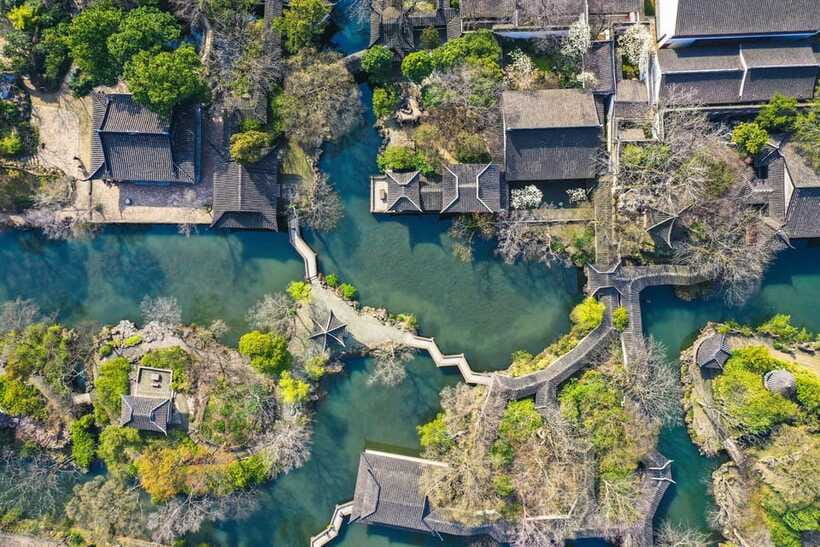
Start with the garden’s overall structure in mind: eastern, central, then western. The central section deserves the most attention, but skipping the other areas means missing the full design.
Give yourself enough of the day to walk without rushing. The ticket is valid for one day, and the site is large. Even if you move quickly, the garden is better when you stop at the pavilions, look across the ponds, and study the changes in the paths.
Bring your passport, as specifically required. Keep the voucher easy to display, and check the QR code before you arrive. If the online ticket costs far more than direct entry on your date, compare the two options carefully.
There is no need to treat every building as a separate must-see. Instead, pay attention to the garden’s repeated ideas: water opening a view, rocks giving height, plants softening the architecture, and buildings creating a place to pause. That is where the visit’s value lies.
Should You Book This Garden Ticket?
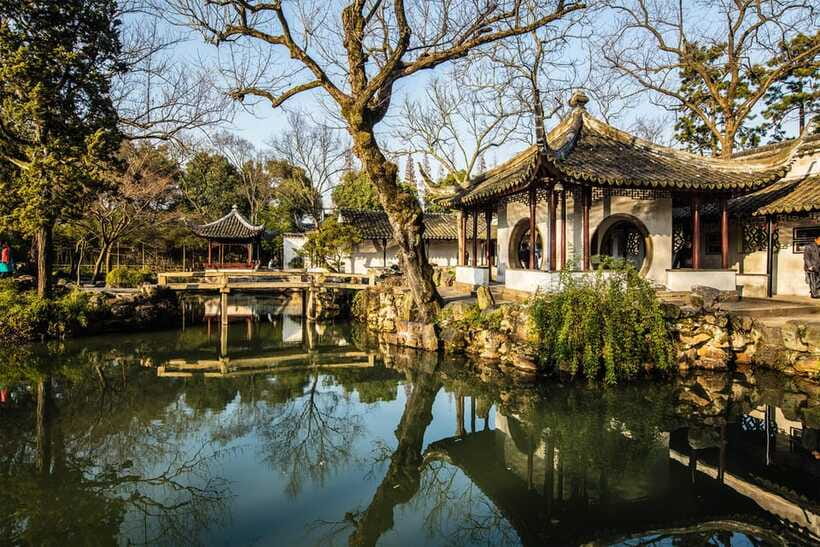
I would book this experience if you want advance planning, the cancellation window matters to you, and you are comfortable handling the visit independently. The garden itself is an excellent cultural stop, with three sections, famous lotus ponds, old trees, rockeries, and Ming Dynasty design packed into one large site.
I would hesitate to book this particular online option if you are already in Suzhou and can buy at the entrance. The reported QR failures and the claim of a much lower direct price weaken the value of advance purchase. If you do book, bring your passport, verify the code, and keep a backup plan.
The best reason to visit is not the ticket format. It is the garden. The safest buying choice depends on how much you value convenience compared with price and on-site flexibility.
FAQ
What is included in the ticket?
The ticket includes admission to Humble Administrator’s Garden for one adult.
How long is the ticket valid?
The ticket is valid for one day, during the garden’s operating hours.
Where is Humble Administrator’s Garden located?
The garden is at 178 Dongbei Street, Gusu District, Suzhou.
What must I bring?
You should bring the passport used for booking. A passport ID is needed to make the reservation.
Is a guide included?
No guide is listed as included. The ticket provides admission to the garden, and the visit is self-directed.
Can I cancel the booking?
The stated policy allows free cancellation up to 24 hours before the visit for a full refund.
Just added around China
- Yu Garden Shanghai Entry Tickets Booking And Trip★ 3.6 · 9 reviews
- Xiamen Layover Day Tour-Gulangyu,Shuzhuang Garden And Piano Museum★ 5.0 · 6 reviews
- Xiamen Half-Day Private Tour include Gulang Yu Island and Garden★ 5.0 · 12 reviews
- Private Customized Suzhou Highlights Tour with Tongli Water Town and Tuisi Garden★ 5.0 · 4 reviews
- Private Tour with Suzhou Museum, Humble Administrator’s Garden and Tongli Town★ 3.5 · 2 reviews
- 4-Hour Suzhou Private Flexible Tour with Garden and Boat Ride Option★ 5.0 · 5 reviews
- Shanghai Yu Garden Admission Ticket★ 4.0 · 16 reviews
- Explore Suzhou’s Hidden Gardens&Enchanting Tongli Ancient Town★ 5.0 · 3 reviews
China Garden Tours, compared.
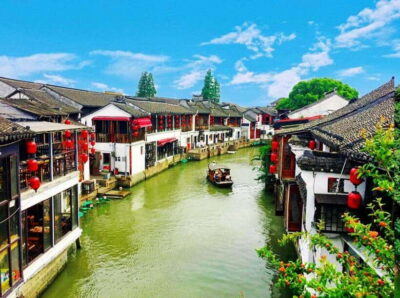
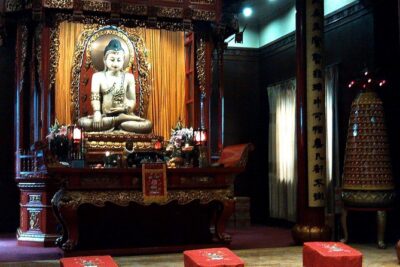
Best of Shanghai Day Tour, including Jade Buddha Temple & Bund & Yuyuan Garden
Read our review →
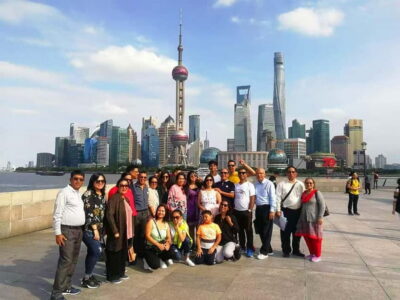
Yu Garden, Old Street, Bund & Zhujiajiao Water Town Bus Tour
Read our review →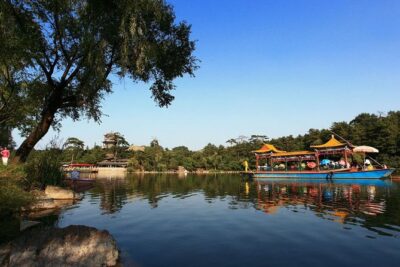
Beijing Historical Tour II including Summer Palace, Lama Temple & Panda Garden
Read our review →
Beijing:Jingshan Park (Palace Museum Garden) Ticket
Read our review →
Shanghai Day Tour to Zhujiajiao Water Town, Yu Garden, Bazaar, Bund
Read our review →
Private Yu Garden, The Bund, French Concession, Pudong Half-Day Tour
Read our review →Browse the lists this tour appears in