
Review · SINGAPORE GARDEN TOURS
Peranakan Cooking Class in Singapore, near Lavender MRT Station
Peranakan cooking brings Chinese and Malay traditions together in a private Singapore kitchen, where you prepare two or three dishes and sit down to eat them with your host. Colin, or his equally enthusiastic colleague Denise, leads the lesson near Lavender MRT Station, in a cooking studio tucked behind a bicycle shop.
I like the full hands-on format and the food stories woven into the class. You do not just watch a chef work. You chop, wrap, mix, and cook, while learning how Peranakan food fits into Singapore’s cultural story. I also like the private setup, which gives your group room to request a dish such as Nyonya laksa.
The main drawback is that the menu and host are not guaranteed. If Colin is away, Denise or another colleague teaches the class, and the dishes may change with the season. If one recipe matters to you, request it when booking rather than assuming it will appear on the day.
Key points to know before booking
- A private class near Lavender MRT: Meet at Crawford Lane at 10:00 am, then enter the cooking studio through a bicycle tour shop.
- Hands-on cooking, not a demonstration: You prepare two or three Singaporean dishes with guidance from your host.
- Colin is not guaranteed: Colin leads the class when available, but Denise or another colleague may teach instead.
- The menu changes: Possible dishes include ngoh hiang, Hainanese chicken rice, Hokkien noodles, Nyonya laksa, and kueh dadar.
- Special diets can be requested: Vegetarian and gluten-free options are available on request.
- The price reflects a private lesson: At $128 per person, this suits people who value personal instruction, a meal, and cultural context more than a cheap group cooking class.
A Peranakan introduction inside a bicycle shop
Your meeting point is on Crawford Lane, with the class beginning at 10:00 am. The studio sits inside a bicycle tour shop, so do not expect a separate street-front cooking school with a large sign. You will pass through the bicycle area before reaching the kitchen.
That unusual entrance is part of the experience’s local feel. The cooking space itself is described as bright, tidy, and carefully organized, with pastel pots and a mural adding color without making the room feel fussy. It is a working studio rather than a grand culinary school, which keeps the focus on the food and the person teaching you.
The class is private, meaning only your group takes part. That matters here. Peranakan cooking often involves several stages, from preparing ingredients to wrapping, stirring, or shaping them. In a large class, you might spend much of the time watching someone else. In this setting, you can ask questions and get direct help as you work.
The location also makes this a practical morning activity. You finish back at the meeting point, with no hotel pickup or drop-off included. Plan your own way to Crawford Lane and allow enough time to find the bicycle shop entrance.
More Lavender Field Tours in Singapore:
- Nice: Gorges of Verdon and Fields of Lavender Tour
★ 4.5 · 2,707 reviews - Aix-en-Provence: Lavender Fields Visit
★ 4.1 · 421 reviews - Nice: Gorges of Verdon and Fields of Lavender Tour
★ 4.0 · 342 reviews
What Peranakan food means in Singapore
Peranakan cuisine grew from a meeting of Chinese and Malay traditions. The result is not simply Chinese food with Malay ingredients or the other way around. It has its own methods, flavors, family recipes, and cultural setting.
That background gives the class more weight than a recipe lesson alone. You learn how food reflects the history of Singapore and the communities that shaped it. Colin is especially praised for explaining the cultural and historical side of the dishes while teaching practical cooking skills.
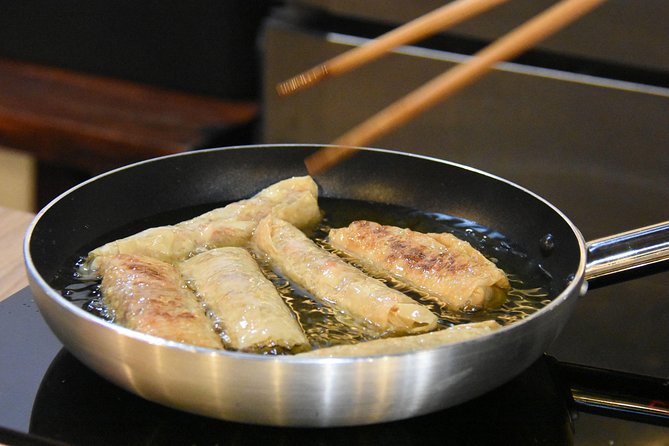
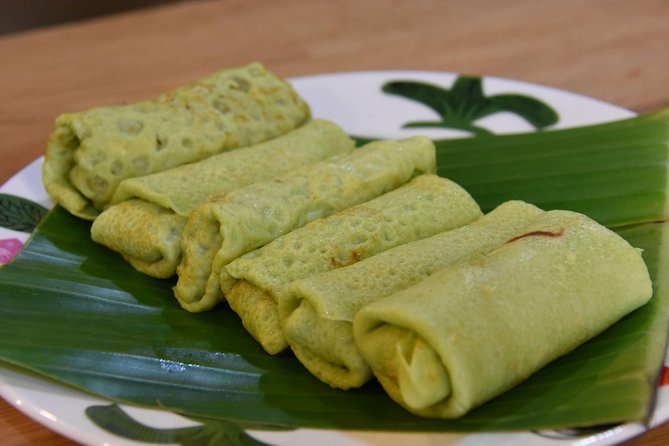
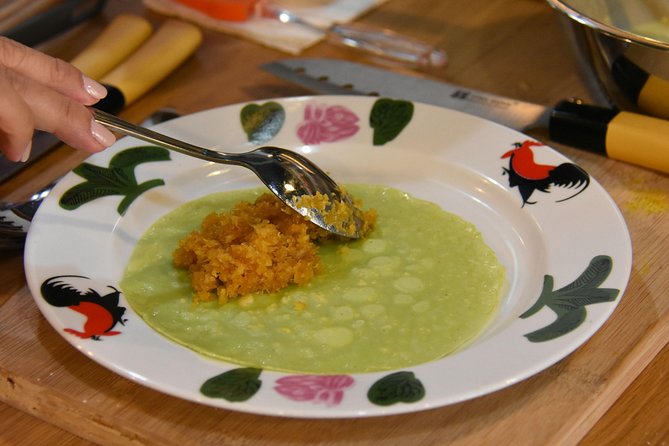
The class can introduce you to food you might not order confidently in a restaurant. Ngoh hiang, for example, combines minced meat and vegetables in a bean curd wrapper. Nyonya kueh dadar is a pandan-flavored crepe filled with freshly grated coconut. Hainanese chicken rice and Hokkien noodles offer different windows into Singapore’s broader food culture.
The menu can also include Nyonya laksa, one of the dishes most closely associated with Peranakan cooking. Since the available recipes depend on seasonal ingredients and the host’s plan for the day, you should request laksa or another favorite in the booking form. A request is not a guarantee, but it gives the host a chance to plan for it.
The 1.5-hour hands-on cooking session
The hands-on cooking portion lasts about 1.5 hours, while the full experience is listed at approximately three hours. The extra time allows for the meal and conversation with your host, though the exact rhythm can vary according to the menu and the group.
Your host demonstrates parts of each recipe, then gives you the chance to try the work yourself. That balance is useful for home cooks. You get enough direction to avoid confusion, but you are not reduced to stirring one pot while the chef does everything else.
Expect to work on two or three dishes. The exact choices depend on the season, available ingredients, and any request you make ahead of time. A sample menu might pair a savory dish such as ngoh hiang with Hainanese chicken rice and the sweet kueh dadar. Another class might focus on noodles or Nyonya laksa.
The number of dishes is sensible for a three-hour experience. You get variety without turning the morning into a rushed race through a dozen recipes. It also lets you compare different techniques and textures. Wrapping ngoh hiang, working with pandan crepes, and preparing a noodle dish give you very different tasks.
The class is described as fully hands-on, so wear something comfortable and practical. No special clothing requirement is given, but cooking can be messy, particularly when wrappers, coconut, sauces, or wet ingredients are involved.
Sitting down to eat what you made
After the cooking, you eat the dishes with your host for lunch. This is one of the strongest parts of the format. You are not just carrying home a recipe card and walking away. You get to taste the finished food while the steps are still fresh in your mind.
The meal also gives the class a natural pause. You can ask about ingredients, local food customs, and the differences between Peranakan dishes and other Singaporean favorites. Colin is praised for being warm, lively, and generous with practical cooking tips, as well as for discussing local history.
The final meal is included in the experience, along with gratuities. Drinks are not specifically listed, so do not assume that extras are covered. The important value is the combination of instruction, food, and conversation in one private session.
For some people, the meal will be the main reward. For others, the greater value comes from learning techniques that can be repeated at home. The class works best if you see it as both a lunch and a cultural lesson, not simply as a way to get an inexpensive meal.
Cooking classes around Singapore:
- Chiang Mai: Cooking Class, Market & Thai Herbs Garden Tour
★ 4.9 · 4,824 reviews - We Cook Thai Home Garden Cooking School
★ 4.9 · 378 reviews - Thai Cooking Class with Market & Garden Tour
★ 4.9 · 249 reviews - Ella : Cooking class with amazing Spice Garden Tour
★ 5.0 · 239 reviews
Colin, Denise, and the host question
Colin is the named host and professional chef associated with the class. He has worked in airlines, restaurants, and hotels, and his teaching style includes food history, cultural background, and useful cooking advice.
Still, Colin is not guaranteed on every date. When he is unavailable, Denise or another colleague conducts the lesson. Denise is described as equally passionate about food, but you should book with the understanding that the person teaching may differ from the person you had in mind.
This is the most important expectation to set before paying. The experience is presented as a class with Colin when available, not as a fixed appointment with Colin every time. If meeting him personally is the deciding factor, contact the provider before booking and confirm his availability.
The same point applies to the menu. Nyonya laksa appears among the possible dishes, but it may not be prepared on your date unless you request it ahead of time. One disappointed participant expected both Colin and laksa and received neither. The practical lesson is simple: read the host and menu conditions carefully, then make your requests in the booking form.
The menu: what you might prepare
The possible dishes cover a useful range of Singaporean cooking.
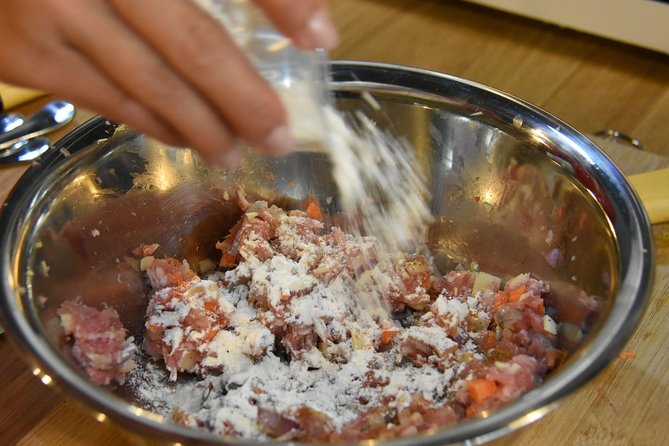
Ngoh hiang is a savory roll made with minced meat and vegetables wrapped in bean curd skin. It offers a clear hands-on task because you help assemble and wrap the filling. It is a good choice if you enjoy learning a technique rather than simply watching ingredients simmer.
Hainanese chicken rice is another possible dish. It is widely associated with Singapore, though its story reaches beyond the island. In this class, it broadens the lesson from strictly Peranakan food to the wider mix of cuisines that make up Singapore’s food identity.
Nyonya kueh dadar brings a sweet finish. The pandan-flavored crepe and freshly grated coconut provide a contrast to the savory dishes. It also gives you a chance to work with a dessert that many visitors may not encounter in a standard food tour.
Nyonya laksa is a likely request for anyone keen on spice, noodles, and coconut-based flavors. Again, ask for it in advance. The menu is seasonal, and the host selects dishes based partly on ingredients available on the day.
Hokkien noodles may also appear. They offer another route into local comfort food and keep the menu flexible for groups with different tastes.
Vegetarian and gluten-free options are available on request. You need to make that request during booking, not after the class starts. The information provided does not specify every substitution, so explain your needs clearly and wait for confirmation if your diet is strict.
Is $128 per person good value?
At $128 per person, this is not a budget cooking lesson. The price makes more sense when you count what is included: a private class, a local expert, two or three dishes, a shared meal, cultural discussion, and gratuities.
You are paying for personal attention rather than scale. A cheaper group class may suit you better if your main goal is to cook one simple dish with other people. This experience is a better fit if you want the teacher to watch your technique, answer questions, and adapt the conversation to your group.
The private format is also useful for couples, families, or friends who want to set their own pace. You do not need to compete for a work station or wait for a demonstration to finish before trying a step. The cooking studio’s orderly layout should help keep the process clear.
The value is less convincing if you mainly want to eat and do not care about cooking. It is also less convincing if you are booking solely to meet Colin or solely to prepare laksa, since neither is guaranteed. In those cases, confirm the details before committing because the experience is non-refundable and cannot be changed after booking.
Who will enjoy this class most?
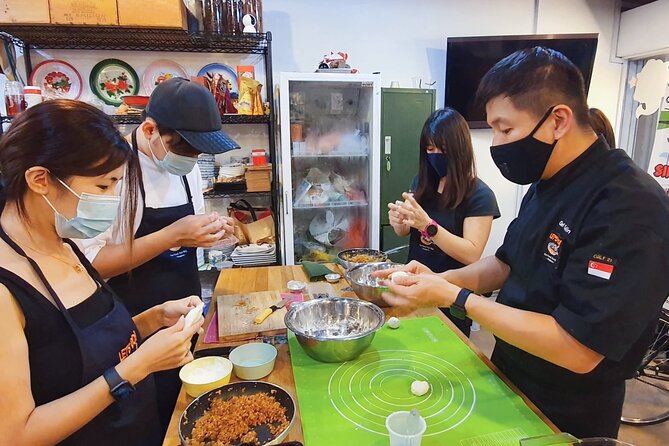
I would recommend it most strongly to people who want a direct introduction to Singapore’s food culture. It suits curious eaters, home cooks, couples, and small private groups who like doing rather than watching.
It is also a good choice for anyone who wants cultural context with lunch. The class connects recipes to the Chinese and Malay influences that helped shape Peranakan identity and Singaporean cuisine.
Families may enjoy the practical tasks, though no child age policy is provided, so check before booking if young children are involved. The private setup may also help a group with mixed cooking confidence because the host can give more individual guidance.
This is not the best pick for someone who needs a fixed menu, a guaranteed chef, or a low-cost group activity. It also may disappoint if you expect a formal school with a dedicated entrance. The studio is inside a bicycle tour shop, and the setting is compact and practical.
Booking details worth getting right
Confirmation arrives within 48 hours of booking, subject to availability. The experience uses a mobile ticket, and the starting point is Crawford Lane, Singapore.
Ask for special dishes and dietary requirements when you book. Vegetarian and gluten-free options are available on request, but the seasonal menu means the host needs advance notice.
The experience begins at 10:00 am and ends back at the meeting point. Hotel transfers are not included. Service animals are allowed.
The cancellation policy is strict. The experience is non-refundable and cannot be changed for any reason, so check the date, meeting point, host expectations, menu request, and dietary needs before you pay.
Should you book this Peranakan cooking class?
Book it if you want a private, practical food lesson with cultural background and a proper meal at the end. The strongest reasons are the full participation, the small-group attention, and the chance to request a particular dish.
Go in with two clear expectations: Colin may not be the host, and the menu may change. If you accept that flexibility, the class offers a thoughtful way to learn how Singapore’s Chinese and Malay influences meet in the kitchen.
I would skip it if your only goals are a guaranteed Colin-led lesson, guaranteed laksa, or the lowest possible price. For everyone else, especially home cooks and food-focused visitors, the combination of cooking, conversation, and lunch gives the $128 price a reasonable case.
FAQ
Where does the cooking class begin?
The class begins at Crawford Lane in Singapore. The cooking studio is located inside a bicycle tour shop.
What time does the experience start?
The experience starts at 10:00 am.
How long does the experience last?
The full experience lasts approximately three hours. The hands-on cooking portion is described as about 1.5 hours, followed by time to eat and talk with the host.
Who teaches the class?
Colin teaches when he is available. If he is away, Denise or another colleague conducts the class.
Is the cooking class private?
Yes. Only your group participates in the activity.
What dishes might I prepare?
Possible dishes include ngoh hiang, Hainanese chicken rice, Nyonya kueh dadar, Hokkien noodles, and Nyonya laksa. The menu changes with seasonal ingredients.
Can I request a specific dish or dietary option?
Yes. You can request a specific dish in the booking form. Vegetarian and gluten-free options are available on request.
Are hotel transfers included?
No. Hotel pickup and drop-off are not included. The activity begins and ends at the Crawford Lane meeting point.
Just added around Singapore
- Small Group Singapore Morning City Tour with Gardens By The Bay★ 4.5 · 46 reviews
- Singapore Gardens by the Bay with Flower Dome and Cloud Forest★ 5.0 · 5 reviews
- Singapore River Cruise, Night Garden Rhapsody and Spectra Tour★ 4.5 · 14 reviews
- Singapore OCBC Skyway Flower dome Cloud Forest Garden by the Bay★ 5.0 · 31 reviews
- Night out with 6 Food Tastings, Spectra & Garden Rhapsody Shows★ 5.0 · 3 reviews
- Singapore Private Professional Photoshoot at Gardens by the Bay★ 5.0 · 3 reviews
- Singapore River Cruise with Spectra & Garden Rhapsody Light Show★ 4.5 · 68 reviews
- Singapore Gardens by the Bay Admission Skip-The-Line E-Ticket★ 3.0 · 4 reviews
Singapore Garden Tours, compared.


Singapore Starry Night Cruise, Garden Rhapsody & Spectra Show
Read our review →
Singapore River Cruise, Garden Rhapsody & Spectra by CYT
Read our review →
Singapore Starry Night: Cruise, Garden Rhapsody & Spectra
Read our review →
Big Bus Singapore Night Tour with Gardens by the Bay Light Show
Read our review →
Singapore River Cruise, Night Garden Rhapsody & Spectra by CYT
Read our review →Browse the lists this tour appears in