
Review · INDIA GARDEN TOURS
Mumbai:Dhobi Ghat Laundry,Dharavi Slum & Flower market Tour
Mumbai reveals itself quickly on this tour. You ride a local train with a guide to Dhobi Ghat, watch hundreds of clothes being washed and dried, then continue to a flower market and Dharavi. I like the strong mix of transport, work, commerce, and neighborhood life. I also like that guides such as Shivam come from the local community and explain Dharavi in clear English.
The main consideration is that this is not a polished sightseeing circuit. Dharavi’s lanes are narrow, its homes are small, and the subject matter can feel confronting. You need comfortable shoes, respect for residents, and a willingness to look beyond the usual Mumbai postcard.
Key points to know before booking
- Dhobi Ghat by local train: You travel as Mumbai residents do, rather than viewing the laundry only from a roadside lookout.
- A three-part view of working Mumbai: The route links laundry, flower selling, and Dharavi’s many small businesses.
- Guide Shivam: He is praised for clear English, a friendly manner, and knowing Dharavi very well.
- Dharavi’s working economy: You may see recycling, leather work, garments, pottery, markets, schools, homes, and narrow lanes.
- A very low price: At $9 per person, the tour includes the guide, train ticket, taxi fare, and bottled water.
- A respectful mindset matters: This is a community visit, not a spectacle. Bring curiosity and use your camera carefully.
Why this $9 Mumbai tour feels different
Many Mumbai outings keep you near grand buildings, waterfront views, and familiar tourist stops. This one takes you into the city’s working systems. You see where clothing is washed, where flowers move through the morning trade, and how Dharavi supports a large network of homes and businesses.
At $9 per person, the value is easy to understand. Your guide, train ticket, taxi fare, and bottled water are included, so the low price is not simply an entry fee with transport left to you. You still pay for snacks and should plan a tip for your guide, but the main costs are covered.
I would not judge this experience by comfort or sightseeing polish. Its value comes from access and explanation. Without a local guide, Dhobi Ghat can look like a maze of washing lines and concrete basins. Dharavi can seem like a confusing set of narrow passages. A good guide gives the places a human and economic context.
The information provided does not state the tour length or group size, so you should check those details before booking. That matters here because the route includes a train ride, a taxi transfer, walking, and several busy areas.
More Flower Markets and Flower Fields in India
- Kolkata’s Flower Market – Hooghly’s Flower Fest Tour
★ 5.0 · 35 reviews - Jaipur Sunrise Tour with Morning Flower Market Walk
★ 5.0 · 16 reviews - Jaipur: Half-Day or Full-Day Tour with Flower Market
★ 4.9 · 14 reviews
Meeting Shivam at Churchgate station
The meeting point is inside Churchgate station, at the train ticket counter near the Wheeler’s bookstall. That is a useful detail because a large station can be confusing, especially if you are trying to find a guide while trains are moving in and out.
Look for the guide at the stated meeting point rather than waiting outside the station. The tour begins with the local train, so arriving ready to move is sensible. You will want your shoes tied, your phone secure, and your small belongings easy to manage.
The guide leads the rail portion of the outing. This is more than a cheap way to get from one stop to another. The train places you in the ordinary flow of Mumbai, giving you a practical sense of how the city connects its districts.
The meeting information names Churchgate, but it does not give a start time. Confirm the exact departure time when you reserve. The flower market is described as a place where the day starts early for many local people, so timing may affect what you see.
Riding Mumbai’s local train to Dhobi Ghat
The train ride is one of the tour’s best choices. A taxi could move you more privately, but the train gives you a look at Mumbai’s daily rhythm before you reach the laundry.
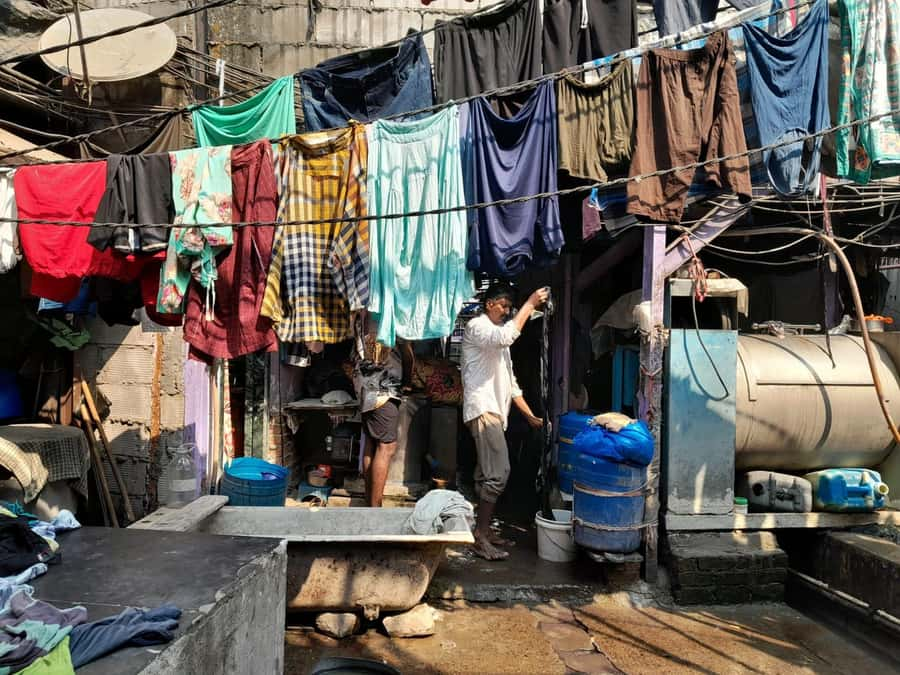
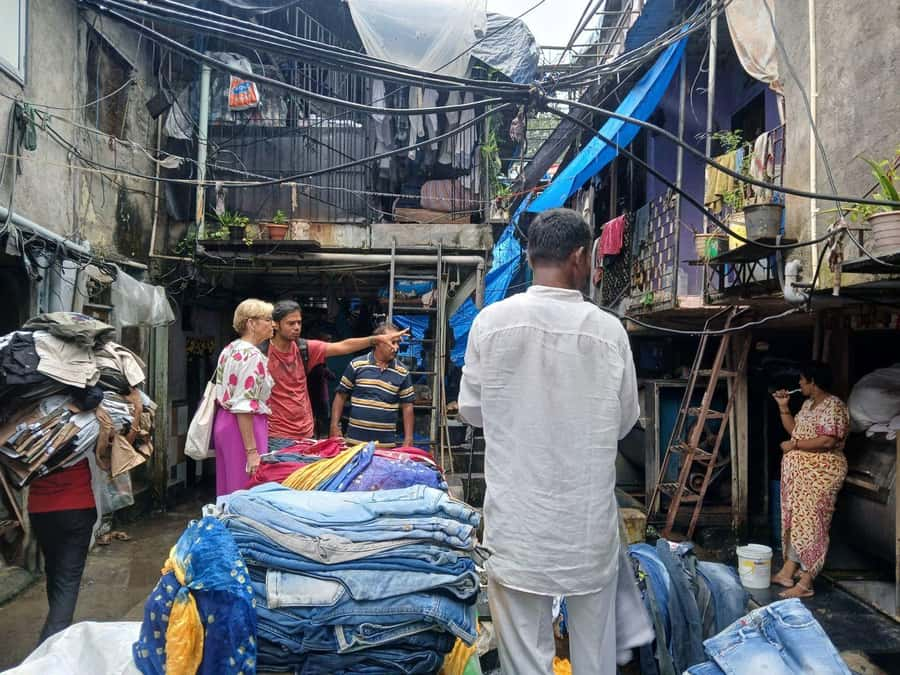
Your destination is Dhobi Ghat, known here as the world’s largest open-air laundry. You can expect to see hundreds of clothes being washed and dried, with the work spread across a large outdoor operation. The appeal is not just the quantity of laundry. It is the coordination required to keep so much clothing moving through washing and drying.
I like this stop because it turns an ordinary urban service into something you can understand visually. Clothes, workers, washing areas, and drying spaces create a working scene that is very different from a museum display. The guide can help explain what you are seeing and why Dhobi Ghat matters to Mumbai.
The train and laundry together also make the first part feel grounded. You do not simply arrive at a photo stop, take a picture, and leave. You first travel through the city, then see one of its best-known working institutions.
Still, manage your expectations. This is an active work area, not an attraction designed around comfort. You may spend time standing, moving through crowded public places, and observing from practical viewpoints. Comfortable shoes are important, and a camera is optional rather than essential.
A flower market full of color and scent
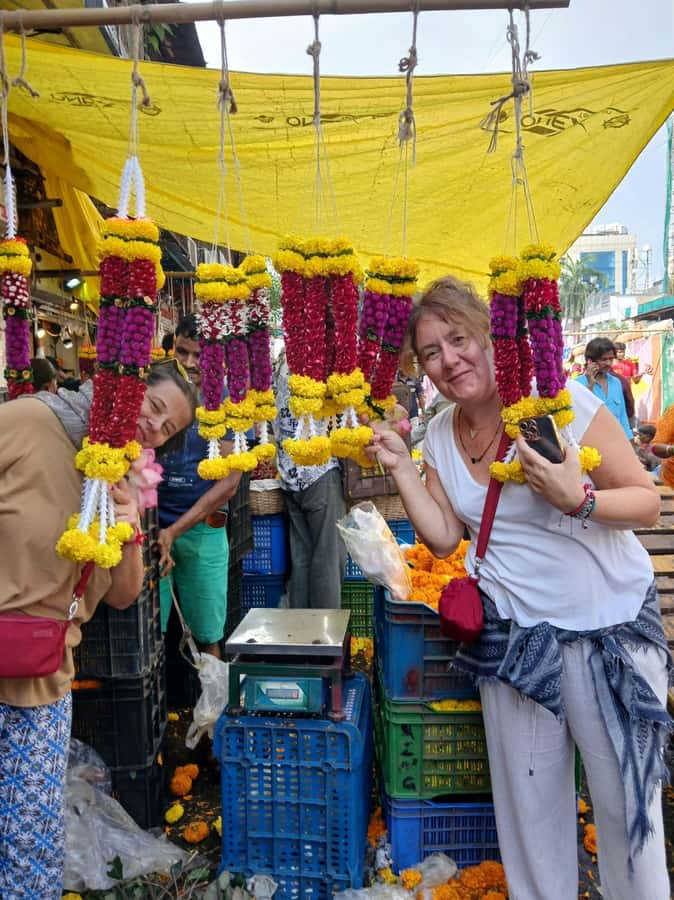
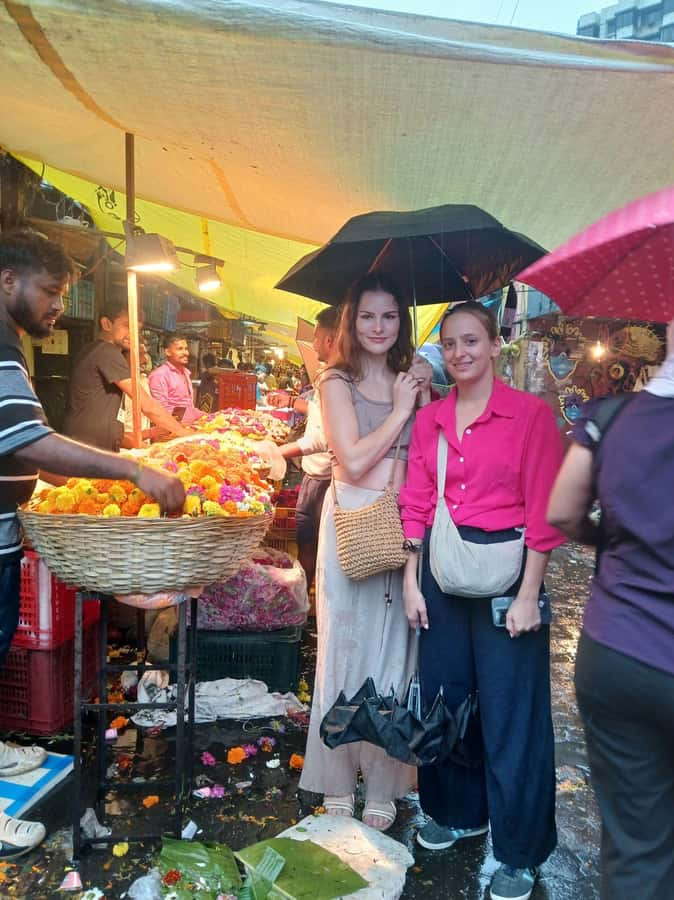
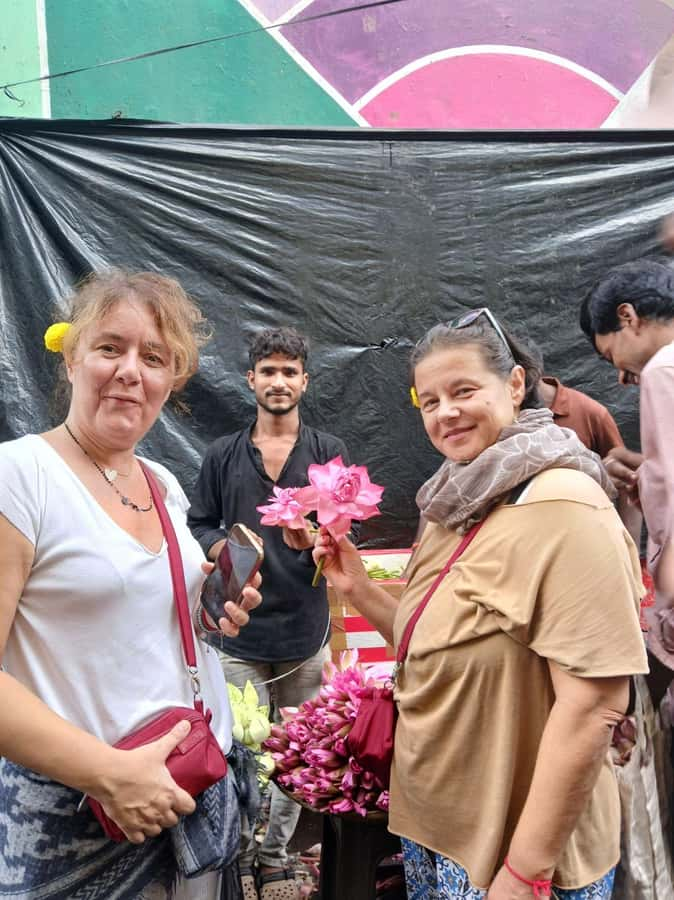
After Dhobi Ghat, a short ride takes you to a busy flower market. This is a sharp change of scene. The laundry is about washing, sorting, and drying. The flower market is about color, scent, movement, and trade.
You will see flowers being handled and sold in a setting that feels closely tied to local daily life. The market is described as colorful and lively, and the sensory shift helps the tour avoid becoming only a visit to industrial or low-income areas.
I especially like the balance here. The flower market shows a different kind of work and gives you a brighter pause between Dhobi Ghat and Dharavi. It also lets you see how a market can be part of the city’s morning routine, not just a place built for visitors.
Be aware that markets can be crowded and fast-moving. Stay with the guide, keep your belongings close, and ask before taking close-up photographs of people. The tour information does not promise a specific flower market name or exact market hours, so the experience may depend on the day and timing.
Same corner of the map, a different planting:
- Delhi: Yoga in Lodhi Garden
★ 4.9 · 53 reviews - Kashmir Tulip Festival
★ 5.0 · 43 reviews - Mughal Heritage Tour Including Lodhi Garden, Humayun Tomb and Akshardham Temple
★ 4.5 · 15 reviews - Jaipur Nahargarh Fort Sunrise or Sunset Tour with Flower Market
★ 5.0 · 9 reviews
Entering Dharavi through its narrow lanes
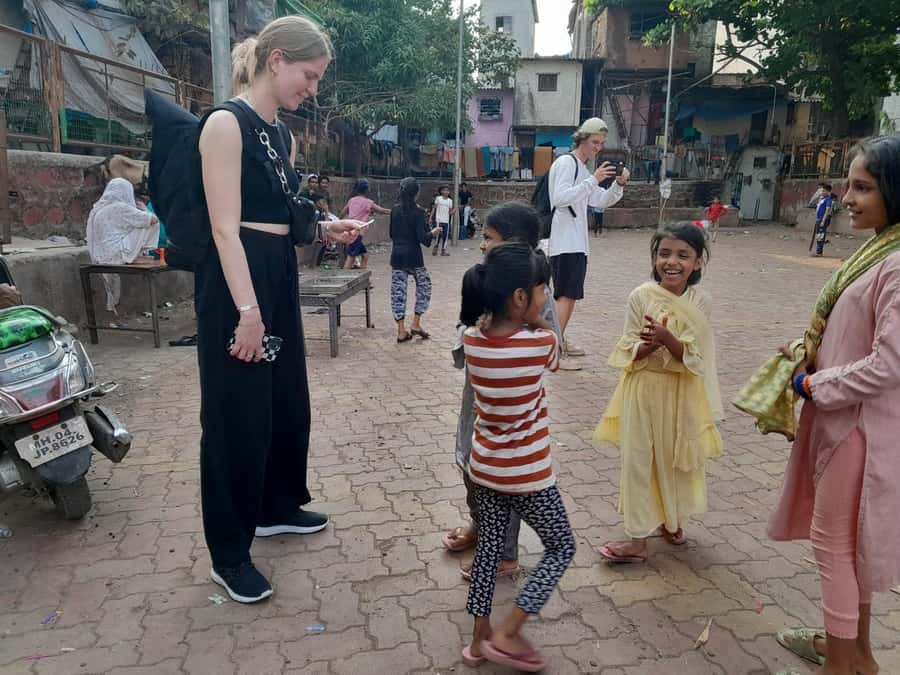
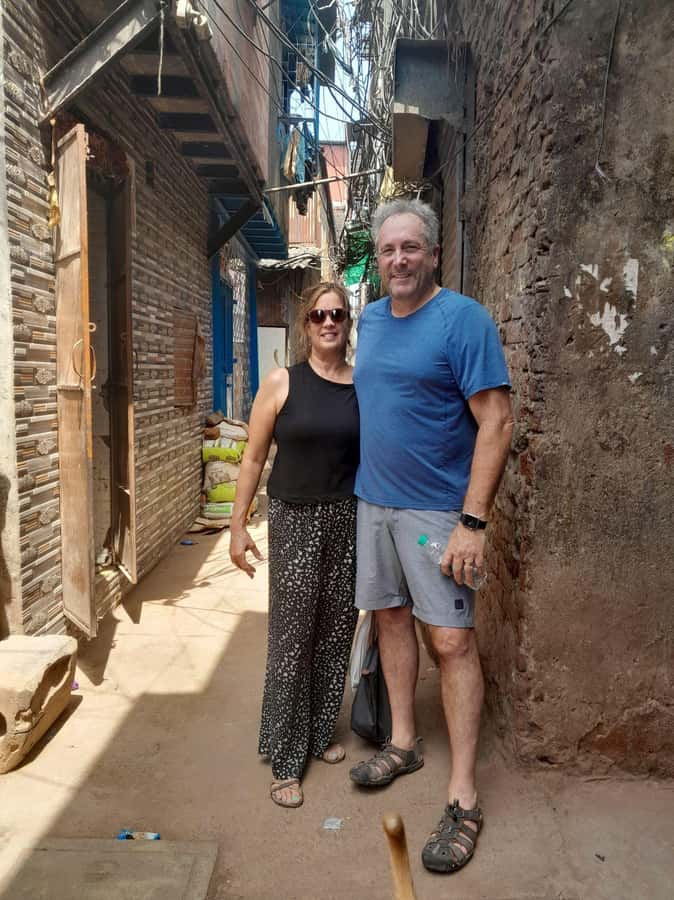
The Dharavi section is the heart of the tour. The route takes you into narrow lanes and shows the close relationship between homes, shops, workshops, and community services.
You may see the smallest houses, a local market, a school, recycling industries, a leather factory, garment work, and pottery. These details matter because they replace a simple label with a more useful picture. Dharavi is not only a residential area. It is also a place where people work, trade, produce goods, and support one another.
The experience is built around local explanation. The guides are described as passionate locals who have lived in slums for generations. Shivam is specifically praised for friendly guidance, clear English, and knowing Dharavi well. That local connection can make a major difference when a place is easy to misunderstand from the outside.
You will likely notice how tightly packed the area is. The lanes are narrow, houses are small, and streets carry many different activities at once. The tour presents Dharavi as a community with a large economic role, said to generate more than $1 billion annually. That figure gives scale to the work taking place behind the residential appearance.
The tour also highlights the area’s diversity. Families have come from different parts of India, and several languages are spoken. That is an important part of the visit because Dharavi is not presented as one uniform group. It is a community shaped by movement, work, family life, and varied regional backgrounds.
Seeing the business behind the neighborhood

The most useful idea to carry into Dharavi is that poverty and enterprise can exist side by side. You may see modest homes close to workshops and small businesses. The route focuses on recycling, leather, garments, and pottery, showing how production happens in a place that many outsiders know only through stereotypes.
I find this approach more useful than simply being shown poor living conditions. It gives you a clearer sense of the residents’ skills and economic activity. The tour describes thousands of small businesses operating in the area, powered by the energy of the people who live there.
That does not mean the difficult parts disappear. Small homes and confined lanes can be hard to see. You may leave with a more complicated impression of Dharavi, one that includes both hardship and pride.
This is where your behavior matters. Keep your voice low, avoid blocking doorways, and do not treat residents or workers as scenery. Ask your guide where photography is appropriate. The supplied information specifically encourages bringing a camera, but it does not say that every location or person may be photographed.
The guide’s role is especially important in this section. Clear English and local familiarity help you understand what is happening without turning every sight into a dramatic story. Shivam’s calm, friendly style is a good fit for a place where careful explanation matters more than quick facts.
What the train, taxi, and walking mix means
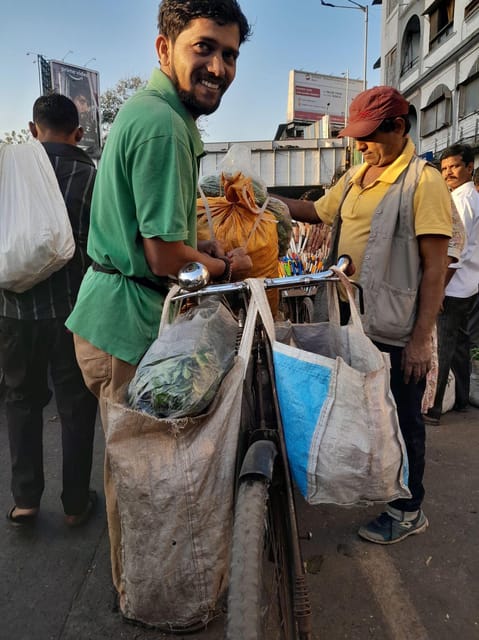
The transport plan is practical. You begin by train, continue by a short taxi ride to the flower market, and then visit Dharavi. The taxi fare is included, which removes one common worry when moving between separate parts of a city.
The train ride gives the outing a local feel. The taxi makes the middle transfer easier. Walking through Dharavi brings you close to the details that vehicles cannot show you.
This combination also means you should dress for movement. Comfortable shoes are listed as an essential item, and that advice makes sense for the station, market, and narrow lanes. Bring water if you prefer to carry your own, even though a bottle is included.
No tour duration is provided, so do not arrange a tight appointment immediately afterward unless you have confirmed the schedule. Trains, transfers, market activity, and walking can make the pace less predictable than a simple taxi tour.
What is included, and what is not
The inclusions are unusually helpful for a $9 experience:
- An English-speaking tour guide
- Train ticket
- Taxi fare
- Bottled water
Snacks are not included, and tipping the guide is also separate. Carry some money if you expect to want food along the way, though the available information does not identify a snack stop.
The low price makes this a strong choice for budget-minded visitors who want a local view of Mumbai. It is also good for anyone who prefers spending money on access and guiding rather than on a large package of extras.
The tradeoff is that you should not expect a private vehicle throughout, a meal, or a highly polished visitor center at each stop. The experience is built around public transport, walking, and the guide’s explanation.
Who will get the most from this experience
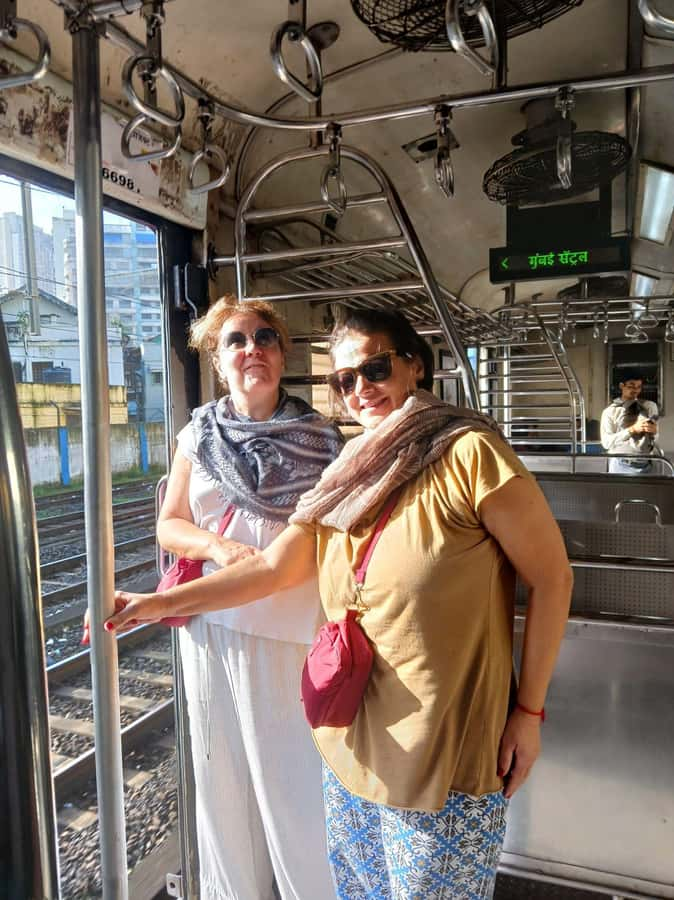
I would recommend this tour to you if you want to understand how Mumbai works beyond its monuments. It suits curious first-time visitors, budget travelers, photographers who work respectfully, and anyone interested in local industries and community life.
It is also useful if you want a guided introduction to Dharavi rather than trying to enter the area without context. A local guide can help you move through the lanes with more awareness and explain the businesses you encounter.
You may want a different kind of outing if you prefer quiet sightseeing, spacious paths, or a tour focused only on architecture. This experience includes crowded transport, working areas, small homes, and direct contact with a complex neighborhood.
Families and younger visitors may find the variety engaging, but the narrow lanes and serious subject matter are worth considering. The information provided does not set an age limit, so check before booking if that detail matters to your group.
Practical tips for a respectful visit
Wear comfortable shoes and bring a camera only if you are prepared to use it thoughtfully. A small bag is easier to manage than bulky luggage on a train or in narrow lanes.
Keep bottled water available, and remember that snacks are not included. Listen to the guide’s instructions about where to stop and when photography is suitable.
Try to focus on the work and people rather than collecting dramatic images. The best memories may come from understanding how laundry, flower sales, recycling, garments, leather, and pottery fit into daily life.
The tour ends back at the meeting point inside Churchgate station. That makes planning easier, but you should still allow time after the tour before booking something else because the length of the activity is not specified.
Cancellation is allowed up to 24 hours in advance for a full refund. You can also reserve and pay later, which helps if your Mumbai plans are still changing.
Should you book this Mumbai tour?
Book it if you want a low-cost, people-focused look at Mumbai’s working life, and if you are comfortable using a train and walking through a crowded neighborhood. The combination of Dhobi Ghat, the flower market, and Dharavi gives you three very different views in one outing.
I would give extra weight to the guide when deciding. Shivam’s clear English, friendly manner, and local knowledge suit an experience that depends on explanation. At $9, with transport and water included, the value is excellent.
Skip it if you want a relaxed sightseeing tour with polished facilities and little walking. For the right visitor, though, this is an honest, affordable way to see Mumbai through its laundry, markets, small businesses, and community life.
FAQ
Where does the tour start?
The guide meets you inside Churchgate station at the train ticket counter, near the Wheeler’s bookstall.
Where does the tour end?
The activity ends back at the meeting point inside Churchgate station.
Is the train ticket included?
Yes. The train ticket is included in the tour price.
Is taxi transportation included?
Yes. The taxi fare is included.
What language is the tour offered in?
The tour is offered in English.
What should I bring?
Bring comfortable shoes, a camera, and water. Bottled water is included, but snacks are not.
Can I cancel for a full refund?
Yes. You can cancel up to 24 hours in advance for a full refund. You can also reserve and pay later.
Just added around India
- Visit to Sahelion Ki Bari, Garden of the Maidens, Udaipur★ 4.0 · 2 reviews
- Kashmir Tulip Festival★ 5.0 · 43 reviews
- Sunder Nursery Delhi’s Heritage Garden Walk Tour★ 5.0 · 3 reviews
- Lodhi Garden Heritage Walk★ 5.0 · 7 reviews
- Delhi historical Gardens & Ruins★ 5.0 · 3 reviews
- Private Half-Day Delhi Flower Market Tour★ 5.0 · 5 reviews
- Dhobi Ghat, Ancient Stepwell and Lodhi Gardens Tour★ 5.0 · 2 reviews
- Flower Market Colors and Ganges Ghat Experience★ 5.0 · 2 reviews
India Garden Tours, compared.



Kolkata’s Flower Market – Hooghly’s Flower Fest Tour
Read our review →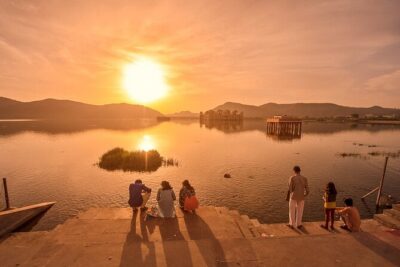
Jaipur Sunrise Tour with Morning Flower Market Walk
Read our review →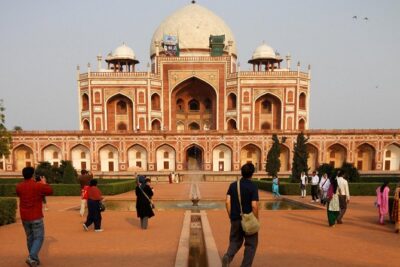
Mughal Heritage Tour Including Lodhi Garden, Humayun Tomb and Akshardham Temple
Read our review →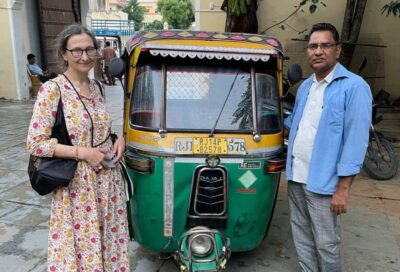
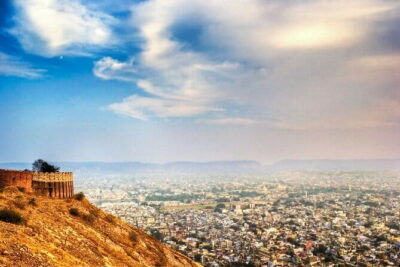
Jaipur Nahargarh Fort Sunrise or Sunset Tour with Flower Market
Read our review →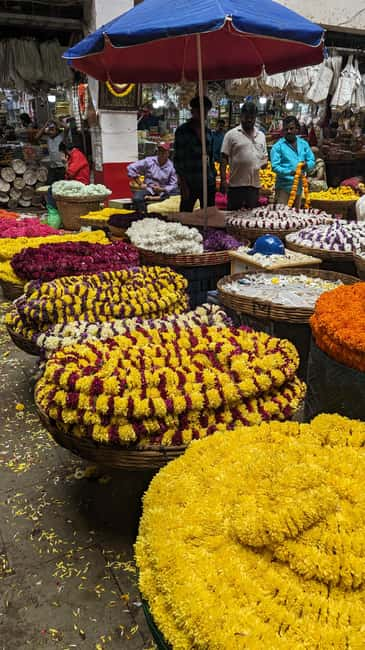
Bangalore Walking Tour KR Flower Market,Fort,Tippu palace
Read our review →Browse the lists this tour appears in