
Review · NETHERLANDS GARDEN TOURS
Leiden: Hortus botanicus Leiden Entry Ticket
Hortus botanicus Leiden is more than a pleasant patch of flowers. Founded in 1590, it is the oldest botanical garden in the Netherlands, and the grounds include the place where the first tulips in Europe were grown. The combination of old trees, tropical glasshouses, and carefully arranged plant collections gives you plenty to see in a compact visit.
I like the freedom of a self-guided walk, and I like the range of plant life packed into the garden. You can move from Southeast Asian orchids to carnivorous plants, then step outside beneath trees more than a century old. The main drawback is seasonal: an outdoor visit in winter or during heavy rain will feel limited, though the glasshouses provide welcome shelter and much of the interest.
Key points to know before you go
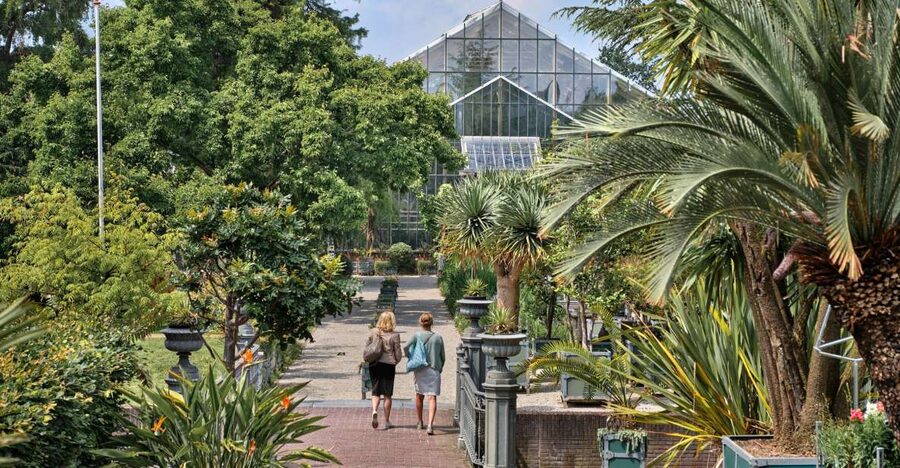
- Founded in 1590: Visit one of the Netherlands’ oldest scientific gardens and the site linked with Europe’s first tulips.
- Southeast Asian plant collections: Expect tropical orchids and other plants from warm regions around the world.
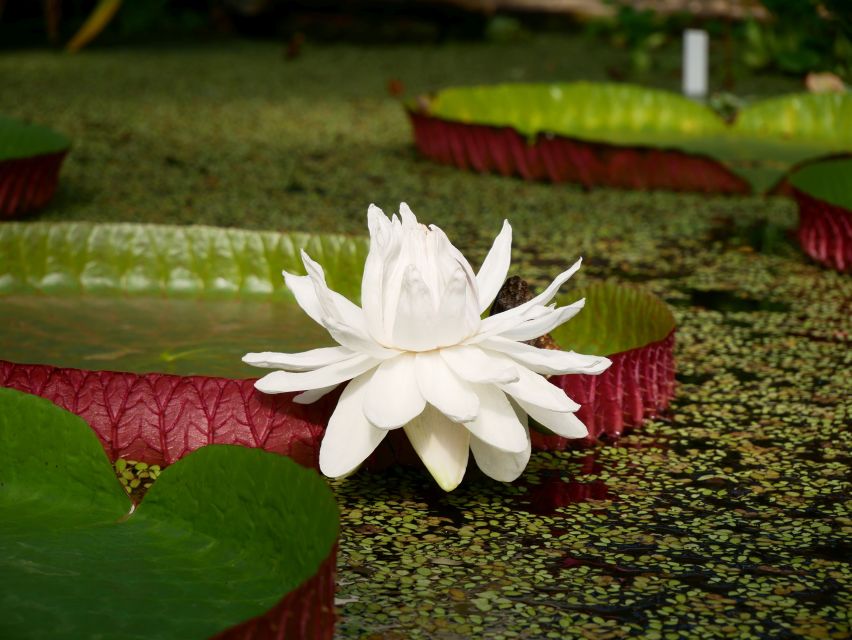
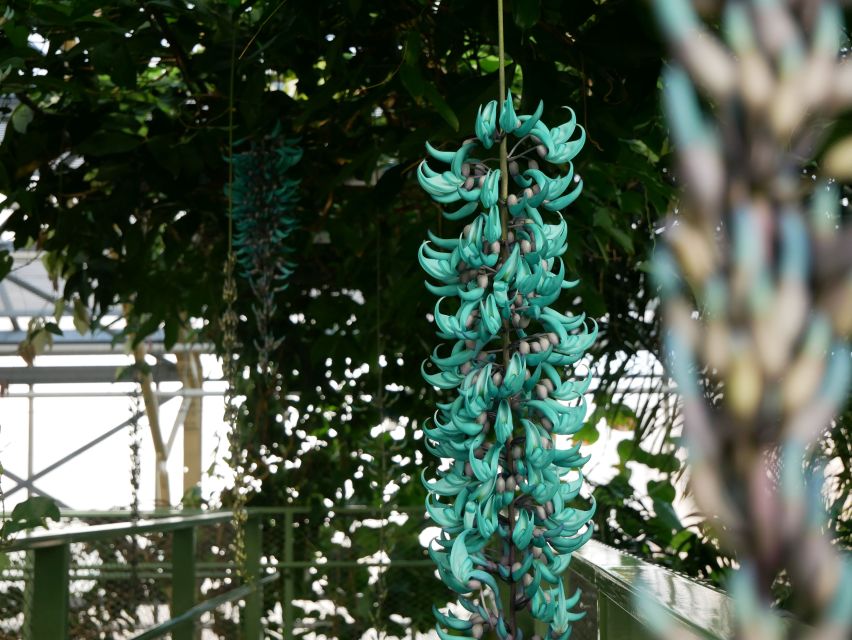
- Seasonal highlights: The Jade Vine flowers in March and April, Victoria amazonica from June to September, and Chinese Lotus in July.
- Historic garden spaces: See the Front Garden, Clusius Garden, Japanese Garden, and a modern glasshouse.
- A good rainy-day option: The glasshouses offer shelter and plenty to examine when outdoor conditions are poor.
- Allow about 90 minutes: The ticket is valid for one day, so you can take your time rather than rush through.
Why Hortus botanicus Leiden is worth your time
I find botanical gardens most rewarding when they connect plants with place and history. Hortus botanicus Leiden does that well. You are not simply walking past flowerbeds. You are exploring a garden founded in 1590, when plant collections helped universities study medicine, trade, agriculture, and the natural world.
The tulip connection gives the garden extra appeal. The first tulips grown in Europe were cultivated here, making this a useful stop if you are interested in how plants moved between continents. You will not get a full lecture on tulip history with this entry ticket, but the setting gives that story a physical home.
At $14 per person, the ticket is fairly priced if you enjoy plants, garden design, or quiet cultural sights. It is less convincing if you want a major attraction that fills half a day with performances, guided commentary, or a long sequence of formal rooms. Most people will spend about an hour and a half, though the ticket remains valid for the full day.
That flexible timing helps. You can visit the garden, leave time for lunch elsewhere, and return later the same day if the admission arrangement allows it at the gate. The supplied details confirm one-day validity, but they do not specify re-entry rules, so ask at the entrance before leaving.
More Botanical Gardens in the Netherlands:
- Osaka: teamLab Botanical Garden Entry Ticket
★ 4.5 · 1,710 reviews - Blanes: Marimurtra Botanical Garden Entry Ticket
★ 4.7 · 998 reviews - Malta: Mdina, Dingli Cliffs and San Anton Botanical Gardens
★ 4.3 · 991 reviews
Starting at the Front Garden and entrance
You begin at the front gate, where you exchange your ticket for entry. From there, the Front Garden gives you an easy introduction to the site. This is a good place to slow down and get your bearings before heading into the more specialized collections.
The garden is designed for independent exploration. There is no named guide leading the experience, but Dutch and English assistance is available from the host or greeter. That means you can set your own pace, stop for photographs, or spend extra time with a plant that catches your eye.
I would plan your route around the weather and season. On a dry spring or autumn day, begin outdoors and save the glasshouses for later. In wet weather, go indoors early. One February visit found little to see outside because of the season, but the glasshouses provided shelter from heavy downpours and still offered plenty of interest.
The Clusius Garden and Leiden’s tulip story
The Clusius Garden is one of the most important historical corners of the visit. It connects the garden to its early academic purpose and to Carolus Clusius, the botanist associated with the development of Leiden’s botanical collection.
The key point for you is not just the name. This garden helps explain why Hortus botanicus Leiden matters. It is a living collection with centuries of scientific and cultural links, not a recently built display created only for photographs.
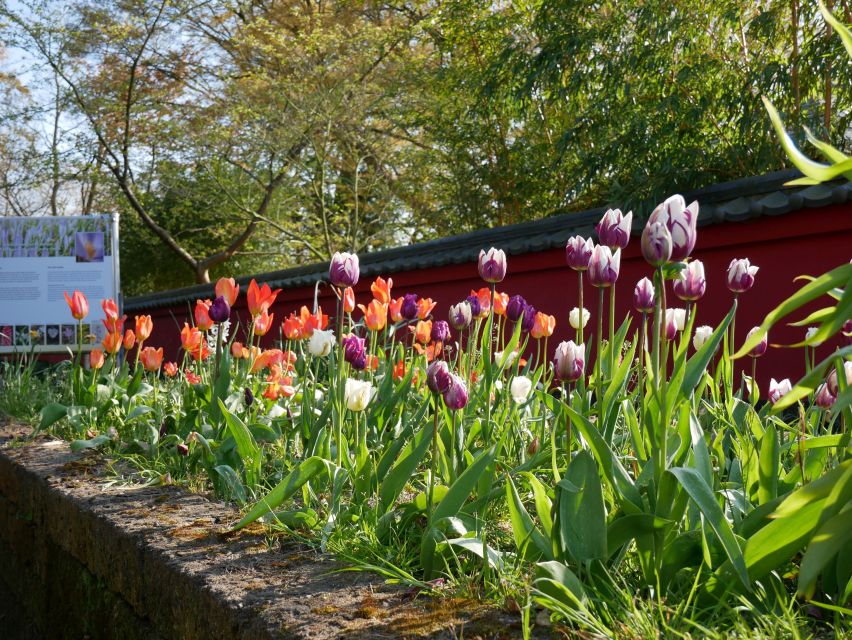
The exact appearance of the garden changes through the year. Spring brings flowering bulbs and gives the tulip story its most obvious visual setting. In autumn, the focus shifts toward old trees and changing foliage. If your main goal is flowers, spring is the safer choice. If you prefer shade, structure, and seasonal color, autumn can be just as rewarding.
The Japanese Garden and plant exchange with Japan
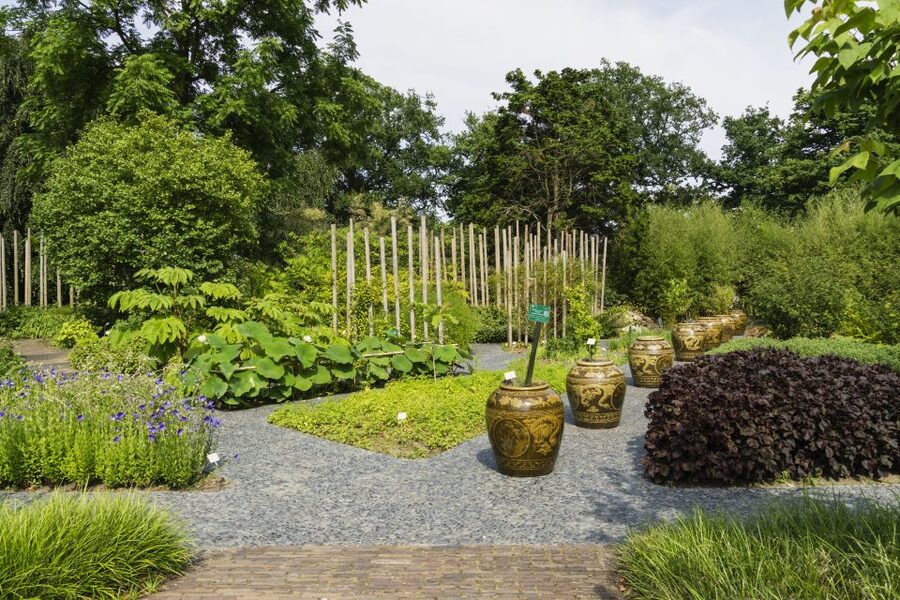
The Japanese Garden offers a different mood from the Front Garden and Clusius Garden. Here, you can see how plant exchange between Japan and the Netherlands shaped the collection.
This section is valuable because it adds context without requiring a guided tour. The plants are part of a larger story about scientific contact, trade, and the movement of living specimens between countries. You can appreciate the garden as a peaceful place to walk, but it also rewards a closer look at how different plant traditions meet.
Do not expect a vast Japanese-style park. The attraction is the combination of garden design and historical exchange within a larger botanical setting. It works best as one stop in the overall route, rather than as the sole reason for buying the ticket.
Entry tickets around the Netherlands:
- From Amsterdam: Keukenhof Ticket with Transfer
★ 4.4 · 4,089 reviews - From Amsterdam: Keukenhof Gardens Ticket and Transfer
★ 4.5 · 2,741 reviews - Utrecht: De Haar Castle + Gardens Entry Ticket
★ 4.7 · 1,838 reviews - Lisse: Tulip Experience Ticket with Tulip Garden and Museum
★ 4.6 · 538 reviews
Tropical glasshouses with orchids and carnivorous plants
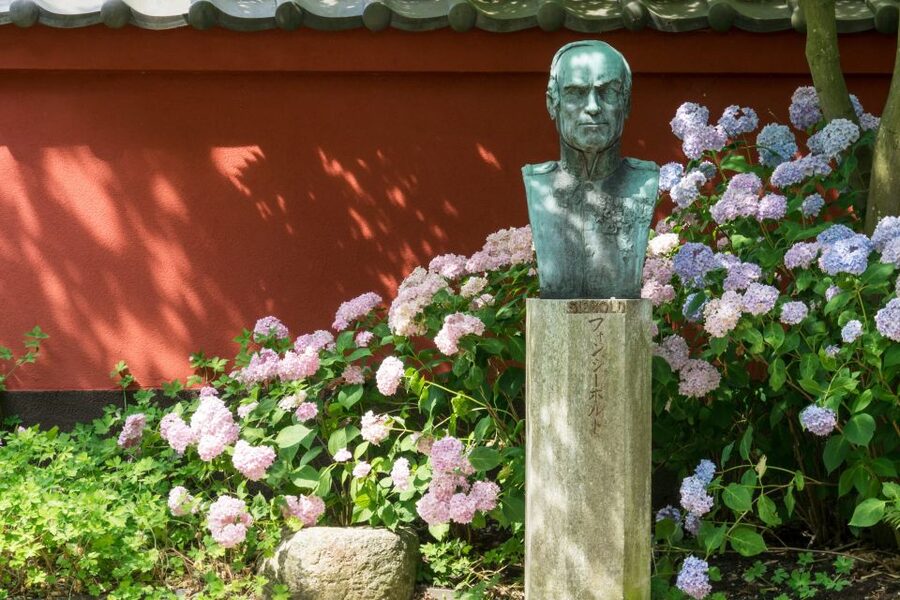
The glasshouses are the heart of the visit for many people. Inside, you can imagine a Southeast Asian jungle while looking at tropical orchids and other warm-climate plants. The indoor collections are especially useful when the Dutch weather turns wet, cold, or gray.
The orchid collection gives you delicate flowers and unusual forms, while the carnivorous plants add a little drama. These plants are not just decorative. Their shapes and feeding habits make them easy to appreciate even if you know very little about botany.
You will also find plants from other parts of the world, with Southeast Asia receiving particular emphasis. The displays include rare tropical orchids and plants that are endangered worldwide. That conservation angle gives the visit more weight than a simple stroll through seasonal bedding.
I would allow extra time indoors if you have children with you, since carnivorous plants tend to be an easy hook for younger visitors. The garden’s ticket information does not specify child programming or interactive displays, so treat this as a visual collection rather than a dedicated family attraction.
Seasonal plants that can change your experience
The garden is worth visiting in every season, but the highlights shift sharply. This is one of the most important points to consider before booking.
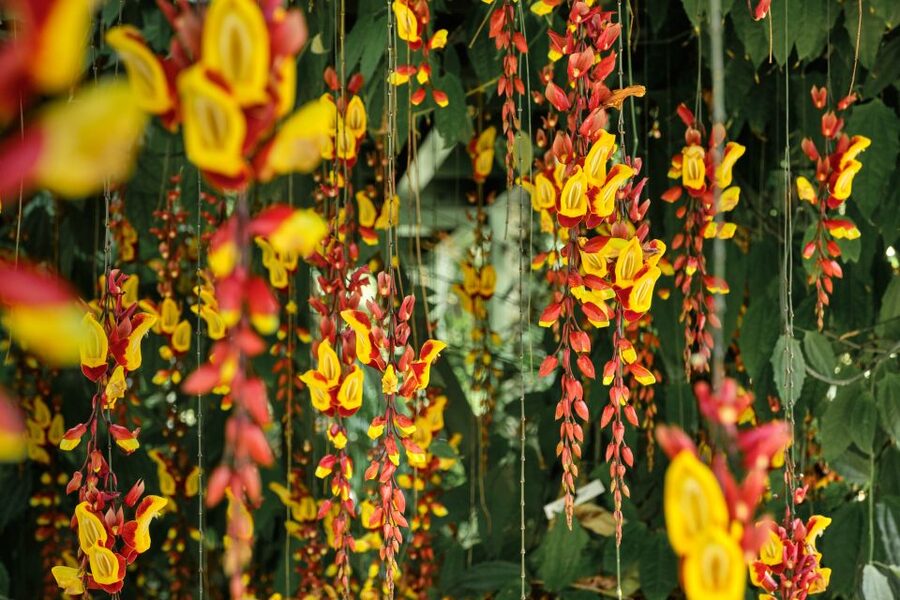
In spring, flowering bulbs bring color to the outdoor areas. The Jade Vine is listed as flowering in March and April, giving you a narrow window for one of the garden’s more unusual sights. If this plant is your priority, check current conditions before visiting because flowering dates can vary.
From June through September, look for Victoria amazonica, the giant water lily. Its large leaves make it one of the garden’s signature seasonal plants. The Chinese Lotus flowers in July, giving midsummer visitors another reason to plan around the calendar.
Autumn offers a different reward. You can walk beneath the colorful foliage of the ancient monumental trees, including a collection of nearly 30 trees, some more than 100 years old. This is a good season for a calm walk, though it may not provide the same number of flowers as spring or summer.
Winter is the least reliable season for outdoor display. Still, the indoor collections can save the visit, especially on a rainy day. The February experience described in the supplied information is a useful reminder: poor outdoor conditions do not necessarily ruin the garden, but you should set your expectations accordingly.
The old trees and outdoor walking route
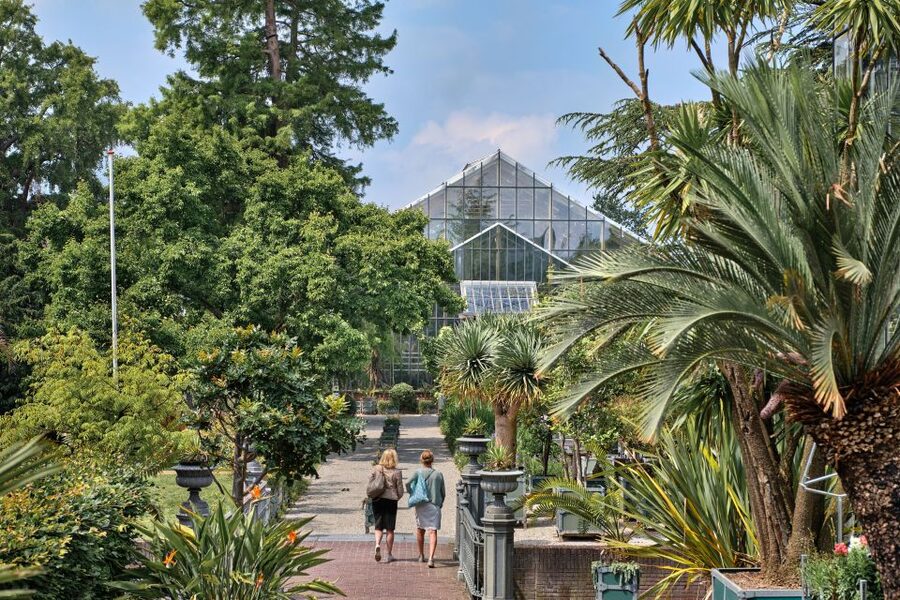
The monumental trees give Hortus botanicus Leiden a sense of age that newer gardens cannot copy. Nearly 30 trees form part of the collection, and some are more than a century old.
I like this part of the visit because it slows everything down. After the close-up detail of orchids and carnivorous plants, you get open air, shade, and room to look upward. The trees also make the garden worthwhile for someone who is not deeply interested in plant science.
The outdoor route is not described as a strenuous walk, and the experience is wheelchair accessible. Still, conditions can affect comfort. Rain will make outdoor time less appealing, while strong sun may make the glasshouses feel warm. Wear shoes suited to a garden visit and bring a light rain layer if the forecast is uncertain.
How much time should you allow?
The suggested visit takes about an hour and a half. That is enough for a steady walk through the principal areas, including the Front Garden, Clusius Garden, Japanese Garden, glasshouses, and old trees.
You can move faster if you are fitting the garden between other Leiden sights. You can also stretch the visit if you read plant labels carefully, take photographs, stop at the Grand Café, or browse the souvenir shop.
Because the ticket is valid for one day, you do not need to treat the garden like a timed show. Check the available starting times when booking, then plan around your wider day in Leiden. The experience does not include food or drinks, so budget separately if you want to use the café.
Price, comfort, and practical value
The $14 price sits in a sensible range for a specialized garden with historic grounds and indoor collections. I would consider it good value if you enjoy gardens, photography, botany, conservation, or quiet cultural stops.
The value depends heavily on timing. In spring, summer, and early autumn, you can combine outdoor flowers, old trees, and glasshouses. In winter, the indoor collection carries more of the visit. If you are paying mainly to see outdoor blooms, check the flowering season first.
The ticket includes entry to the botanical gardens only. Food and drinks are not included, though a Grand Café is available before or after your walk. A souvenir shop is also on site.
The garden is wheelchair accessible. Dutch and English support is available, and the experience is designed for you to explore independently rather than follow a fixed guided route.
You can cancel up to 24 hours before the visit for a full refund, and the reserve-now, pay-later option keeps you from paying at once. Those policies are useful if your Leiden plans depend on changing weather, especially outside the main flowering months.
Who should book this garden visit?
I would recommend Hortus botanicus Leiden to you if you want a peaceful break from city streets and museums. It suits plant lovers, photographers, garden enthusiasts, couples, families who enjoy unusual natural displays, and anyone interested in the movement of plants between Europe and Asia.
It is also a smart choice for a rainy day. The February visit showed why: the outdoor garden may be quiet or sparse, but the glasshouses still give you tropical color and shelter.
I would be more cautious if you want a guided historical tour, a large attraction with many activities, or a full half-day program. There is no named guide included, and most people will cover the main areas in about 90 minutes. The garden is best treated as a focused, flexible stop rather than an all-day attraction.
Should you book Hortus botanicus Leiden?
Book it if the idea of orchids, carnivorous plants, old trees, historic gardens, and seasonal flowers appeals to you. The glasshouses make the visit more dependable in poor weather, while the 1590 foundation and tulip connection give the garden real depth.
For the best outdoor experience, aim for spring, summer, or autumn and check the seasonal plants before you go. In winter, book with the understanding that the glasshouses will do most of the work. At $14, it is a fair and flexible addition to a day in Leiden, especially when you want a quieter attraction with both scientific interest and genuine age.
FAQ
Where is Hortus botanicus Leiden?
Hortus botanicus Leiden is in Leiden, in South Holland, Netherlands.
How long does the visit take?
The suggested visit takes about one and a half hours. You can stay longer if you want to walk slowly, visit the Grand Café, or browse the souvenir shop.
Is the ticket valid for one day?
Yes. The entry ticket is valid for one day. Check availability for the starting times when booking.
What does the ticket include?
The ticket includes entry to the botanical gardens.
Are food and drinks included?
No. Food and drinks are not included, but a Grand Café is available at the garden.
What languages are available?
Dutch and English are available from the host or greeter.
Is the botanical garden wheelchair accessible?
Yes. The activity is wheelchair accessible.
Can I cancel the booking?
Yes. You can cancel up to 24 hours in advance for a full refund. A reserve-now, pay-later option is also available.
Just added around the Netherlands
- Lisse: Self-Guided Tulip Fields GPS Audio Tour★ 4.6 · 83 reviews
- Keukenhof, Tulip Farm, Flower Fields & Windmills★ 5.0 · 4 reviews
- Magical Delft and the Keukenhof Estate: Tulips Galore★ 4.6 · 90 reviews
- Keukenhof Gardens and Tulip Experience Tour from Amsterdam★ 4.8 · 17 reviews
- Amsterdam: Private Keukenhof and Free Tulip Tour★ 5.0 · 21 reviews
- Keukenhof: Private Tulip & Windmill tour with cheese tasting★ 5.0 · 2 reviews
- From Amsterdam: Keukenhof and Zaanse Schans Small Group Tour★ 4.8 · 19 reviews
- Amsterdam:Private guided Non Touristic Tulip & Windmill tour★ 5.0 · 2 reviews
Netherlands Garden Tours, compared.

Keukenhof Entry & Shuttlebus with Flexible Return
Read our review →
Tour to Keukenhof Gardens with Windmill Cruise
Read our review →


Day Tour Keukenhof and Zaanse Schans Windmills
Read our review →
Keukenhof and Zaanse Schans Live Guided Day Tour
Read our review →
Keukenhof and Zaanse Schans Windmills Guided Day Trip
Read our review →
Go City Amsterdam Pass: 40+ Attractions including Keukenhof
Read our review →Browse the lists this tour appears in