
Review · FRANCE GARDEN TOURS
Lavender picking & distillation between Nîmes–Arles
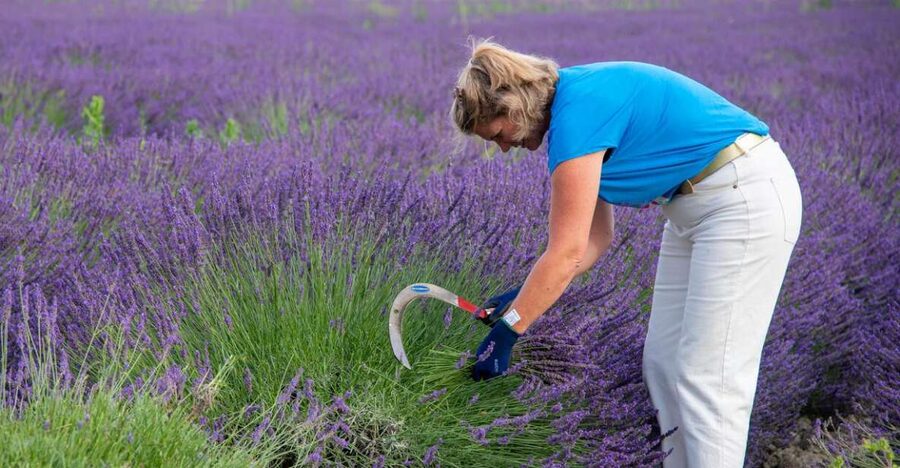
The best part of this experience is that you do not just look at a lavender field, you work in it. Farmer Gaël shows you how to use a traditional picker’s sickle, then you carry your flowers into the small distillery and help pack them into the still. It is a simple, hands-on way to understand how Provence turns plants into useful oils.
I like the direct contact with the farm and the fact that you take home your own essential oil and hydrolat. I also like the fair $35 price, especially since the visit includes the field walk, distillery tour, extraction lesson, and two small souvenirs. The main consideration is the heat and the half-hour walk from the nearest bus stop, so a car and comfortable shoes make the visit easier.
Key points at a glance
- Pick with a traditional sickle: Gaël teaches you the proper way to cut lavender in the field.
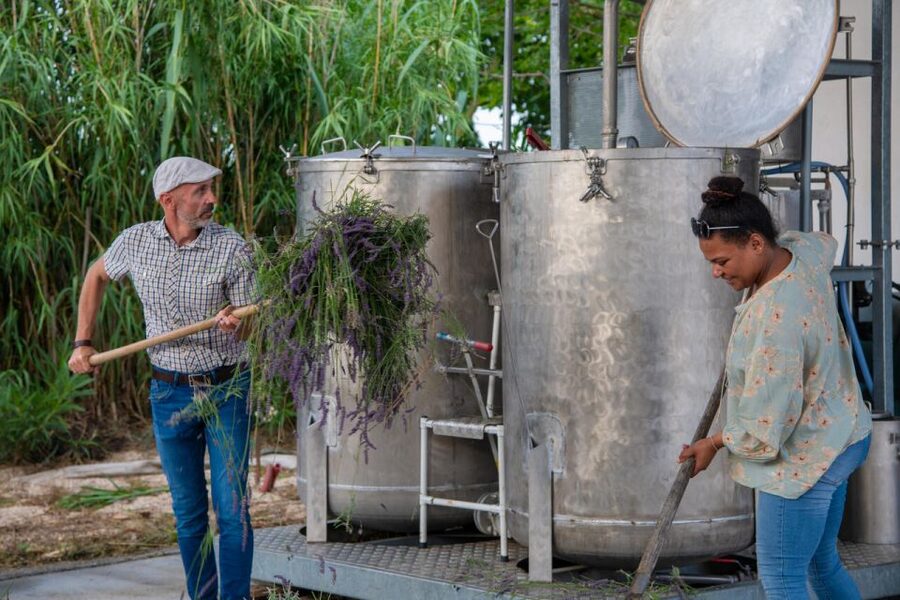
- Load the steam still yourself: You help compact your flowers into the still before extraction begins.
- Make two personal souvenirs: You keep a bottle of your own essential oil and floral water.
- Learn more than lavender: The visit covers Provence’s aromatic plants and their food, cosmetic, and health uses.
- Plan for a rural setting: The distillery is 15 minutes from Arles and 20 minutes from Nîmes by car.
- Allow 150 minutes: This is a workshop with real participation, not a quick photo stop.
From the lavender field to the still
This visit begins outdoors, in the fields around the farm. You learn about the cultivation of aromatic plants in Provence and the traits of the lavender flower before doing any picking. That introduction matters because it gives the field a purpose beyond its color and scent. You begin to see the plant as a crop, not just a pretty symbol of the south of France.
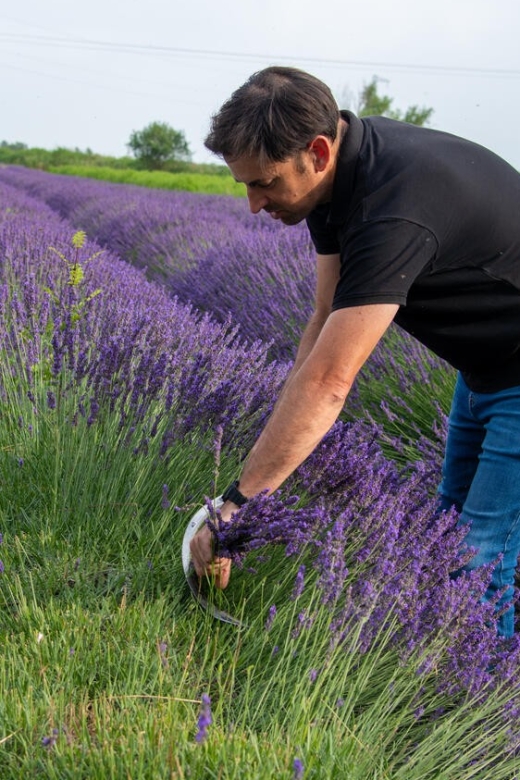
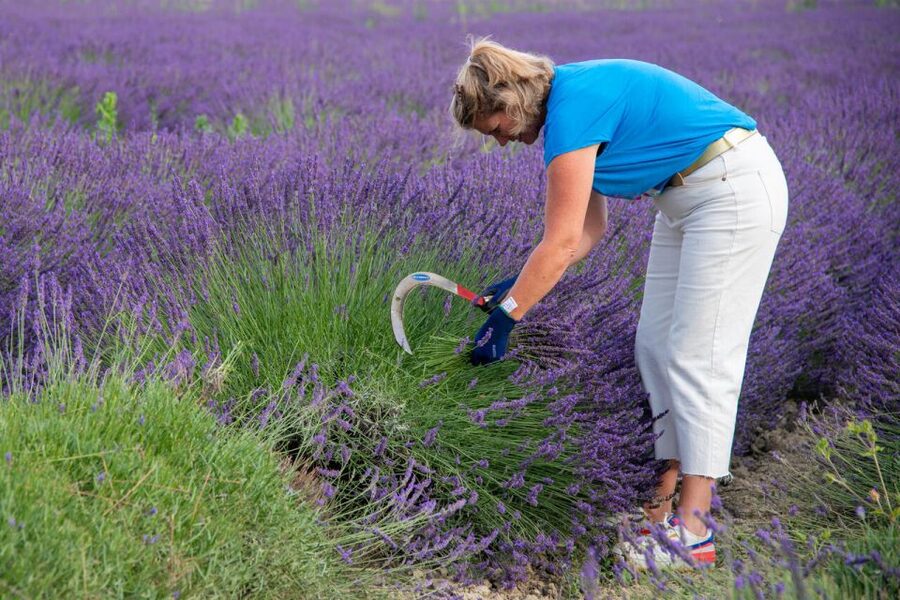
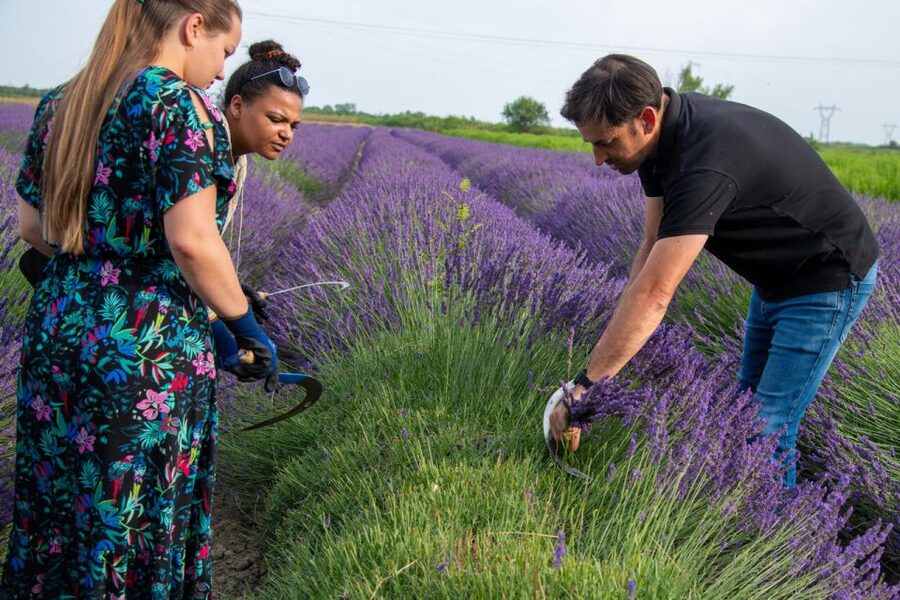
Gaël, the farmer, provides a traditional picker’s knife or sickle and explains how to use it. You then cut the lavender yourself. The work is gentle, but it is still a real farm task, so you should wear shoes that can handle uneven ground and bring sunscreen. The experience is not designed as a long hike, but you will be outside in an open field during a warm part of the day.
I like this beginning because the tool changes your role. You are not simply being shown a field from the edge. You are taking part in the old method of gathering the flowers, with a farmer explaining the process right where the plants grow.
The exact conditions of the field can vary with the season. Lavender is an agricultural crop, and the flowers are cut at the right time for their oil. That means the visit is best for anyone who enjoys seeing how a local product is made, rather than anyone expecting a guaranteed wall of purple at every moment.
More Lavender Field Tours in France
- Nice: Gorges of Verdon and Fields of Lavender Tour
★ 4.5 · 2,707 reviews - Aix-en-Provence: Lavender Fields Visit
★ 4.1 · 421 reviews - Nice: Gorges of Verdon and Fields of Lavender Tour
★ 4.0 · 342 reviews
Why the traditional sickle matters
The sickle is a small detail, but it gives the activity its character. Modern visitors often see lavender as a finished product in soap, sachets, or bottles. Using the traditional tool shows the first step in that chain and helps you understand the labor behind the final product.
Gaël’s instruction is useful here because you do not need previous farm experience. You learn how to hold the tool and how to cut the stems properly. The activity is suitable for children aged 10 and older, but younger children are not permitted. That age rule makes sense: the tool requires care, and the workshop is built around learning a process rather than providing a general play activity.
You should expect some repetition while picking. This is not a staged demonstration where the work is finished in seconds. You are given time to collect flowers, and that slower pace is part of the point. It lets you notice the plant’s scent, texture, and form before it enters the distillery.
Bring water, even though a bottle of water is provided during the tour according to the activity details. Sunscreen is essential, and a hat would also be sensible, although the stated requirements specifically call for sunscreen and comfortable shoes.
Inside the artisanal distillery
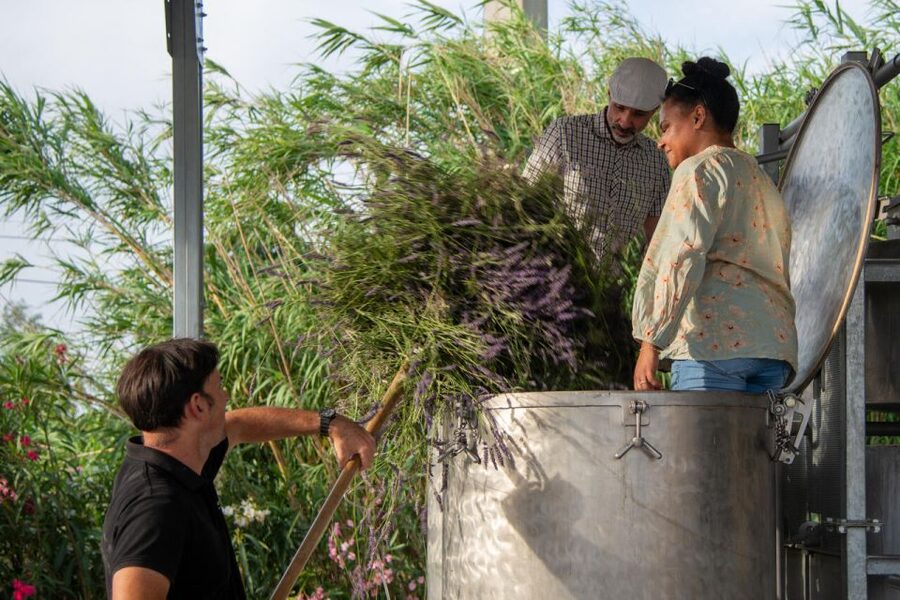
After the field work, you move to the artisanal distillery. Here, the flowers become the raw material for an extraction lesson. You learn how the steam still works and help place your plants into the vessel. The description uses a playful image, inviting you to jump in with the group to compact the flowers, but the important point is practical: you help pack the plant material tightly so the steam can do its work.
This part gives the visit its strongest educational value. The distillery connects the field to the bottle. You see that essential oil does not simply come from pressing lavender like fruit. Steam passes through the plant material and carries its aromatic compounds, which are then separated into essential oil and floral water.
The experience does not require you to operate complex equipment alone. You follow the guide through the process and learn what each stage does. That makes it a good choice if you want a clear introduction without signing up for a technical course.
The setting is described as an artisanal distillery, so you should expect a small-scale production environment rather than a large industrial plant. That is a plus if you prefer direct contact with the maker and a close look at the tools. It can also mean that the visit feels practical and modest instead of polished like a museum presentation.
Your own organic essential oil and hydrolat
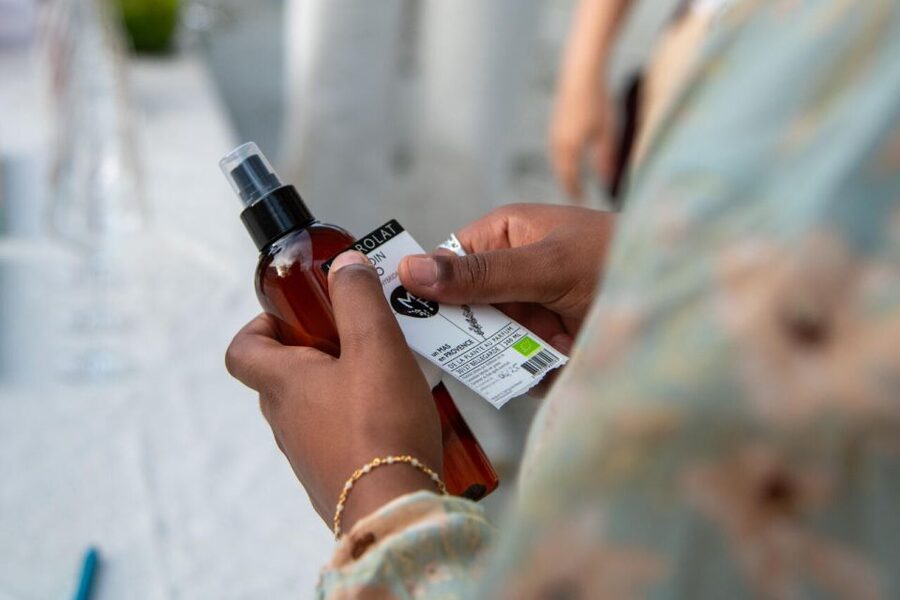
The final extraction produces two products: essential oil and hydrolat, also called floral water. You keep a bottle of each. This is more satisfying than buying a generic bottle in a shop because you have followed the material from field to still and helped prepare it.
The activity focuses on organic and local plants. You learn about their uses in food, cosmetics, and health. Keep in mind that this is an introduction to those uses, not a medical consultation. Essential oils are concentrated products, so you should follow the guide’s instructions for handling and use.
The hydrolat makes a particularly nice souvenir because it is tied directly to the day’s work. The essential oil is small but potent, and the two bottles together give you a clear reminder of the extraction process. A piece of cake is also provided during the tour, along with water, which adds a welcome break after time in the field.
I value the souvenir because it is not an unrelated gift-shop purchase. It is the result of the activity. You get something practical to take home, but you also leave with a better understanding of how a familiar Provençal product is made.
Same corner of the map, a different planting:
- Paris: Versailles Palace and Gardens Full Access Ticket
★ 4.6 · 41,579 reviews - Versailles: Skip-the-Line Tour of Palace and Gardens Access
★ 4.7 · 10,429 reviews - From Paris: Versailles Palace & Gardens with Transportation
★ 4.6 · 6,222 reviews - From Paris: Versailles Palace Guided Tour & Gardens Access
★ 4.7 · 3,574 reviews
What you will learn about Provence’s aromatic plants
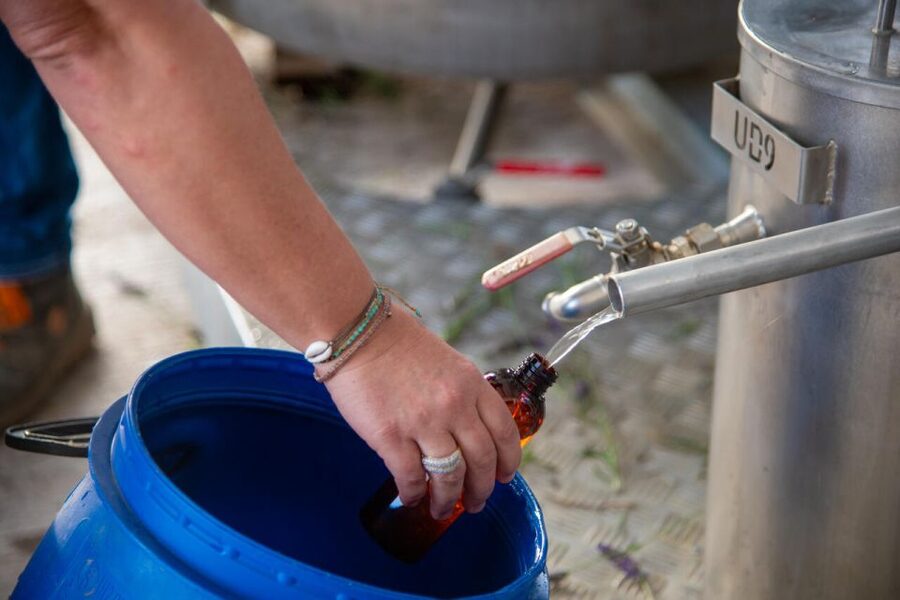
Lavender is the main subject, but the visit also introduces the wider world of aromatic plants grown in Provence. You learn about cultivation and the characteristics of the lavender flower, then explore how organic plants can be used in cooking, cosmetics, and health products.
That broader focus keeps the visit from becoming only a photo opportunity. You learn why different plants are grown, what gives them their scent, and how the distillery changes them into products. The information is tied to objects you can see and handle, which makes it easier to remember.
The two-hour-thirty-minute duration is well suited to this format. A shorter visit would likely rush the field instruction or the extraction. At 150 minutes, you have room for a walk, practical picking, a guided distillery visit, and the production of your own bottles.
The one limitation is that the available information does not give a detailed schedule by the minute. You should expect the order to be field, picking, distillery, and extraction, but the time spent at each part may change with the group and the farm work.
Getting there from Arles or Nîmes
By car, the distillery is about 15 minutes from Arles and 20 minutes from Nîmes. That makes it an easy countryside addition to a stay in either city, provided you have your own vehicle or arrange transport.
Public transport is possible, but it takes more effort. Lio bus line 130 runs from the bus station at Arles toward Nîmes and stops in Bellegarde at the Magnolias stop. From there, you face a 30-minute walk to the farm. The fare is listed as €1.50.
That walk is an important planning detail. Add the walking time to the 150-minute activity, and you have a much longer outing than the workshop alone. In hot weather, the route may feel tiring, especially before or after the field portion. If you use the bus, check the schedule carefully and carry sunscreen and water.
The location between Arles and Nîmes makes this activity convenient for a road trip through the area. It is less convenient if you are relying on public transport and hoping for a quick half-day outing. I would choose a car if possible, particularly for families or anyone carrying bags and souvenirs.
Is $35 a fair price?
At $35 per person, this is a good value for a 150-minute activity with several distinct parts. You are not paying only for a guided walk. The price covers the field visit, the traditional picking lesson, the distillery tour, the extraction process, and the bottles of essential oil and hydrolat you take home.
The hands-on element is what makes the price work. A basic farm visit might give you a look at the plants, while a shop visit might let you buy lavender products. Here, you participate in making them. The educational value is strongest for people who enjoy understanding how local goods are produced.
The price also includes small touches such as water and a piece of cake during the tour. Those extras are modest, but they are useful after working in the field. The perfect rating shown for the activity is based on three ratings, so I would treat it as encouraging rather than as proof that every person will have the same experience.
You should not book this expecting a luxury outing, air-conditioned transport, or a large attraction with many facilities. The appeal is the farm setting, the personal instruction, and the chance to make something yourself. For those priorities, $35 is reasonable.
Who will enjoy this activity most?
I would recommend it to adults, couples, families with children aged 10 and older, and anyone interested in local food or natural products. It suits people who like workshops and practical demonstrations more than those who want a passive sightseeing stop.
Photographers may enjoy the field, but the timing of the flowers can affect the look of the setting. If your main goal is a perfectly purple field, confirm the seasonal conditions before booking. The activity is about cultivation and distillation, so the learning remains useful even if the field does not match an ideal postcard image.
It also suits visitors staying in Arles or Nîmes who want a short rural excursion. French and English are available, which helps if you do not speak French. The guide’s explanations and Gaël’s farm instruction give the visit a personal face without requiring specialist knowledge.
I would be more cautious about booking it for children under 10, since they are specifically not allowed. It may also be a poor match for anyone who dislikes outdoor heat, uneven ground, or handling a farm tool.
Booking and cancellation details
You can cancel up to 24 hours before the activity for a full refund. You can also reserve now and pay later, which helps if your route through southern France is still changing.
Starting times vary, so check availability before planning transport. Remember to allow extra time if you are coming by bus, since the Bellegarde stop is a 30-minute walk from the farm.
Should you book the lavender distillation experience?
Book it if you want a hands-on Provençal activity with a clear beginning and end: pick the flowers, learn the still, make the products, and take them home. The fair price, English option, and location near Arles and Nîmes make it easy to fit into a southern France itinerary.
Skip it if you want a quick photo stop, a polished museum visit, or an outing with no walking or outdoor work. For everyone else, this is a thoughtful way to see the working side of Provence. You leave with two small bottles, but the better souvenir is knowing how they came from a field you helped harvest.
FAQ
How long does the lavender picking and distillation activity last?
The activity lasts 150 minutes, or two and a half hours. It includes the field walk, lavender picking, the distillery visit, and the extraction process.
How much does the activity cost?
The listed price is $35 per person.
Is the activity available in English?
Yes. The live tour guide is available in French and English.
Can children join the activity?
Children must be at least 10 years old. Children under 10 are not suitable for this activity.
What should I bring?
Bring sunscreen and comfortable shoes. You may also want water for the journey, although water is provided during the tour.
How far is the distillery from Arles and Nîmes?
The distillery is about 15 minutes from Arles by car and 20 minutes from Nîmes by car.
Can I reach the farm by public transport?
Yes. Lio bus line 130 stops in Bellegarde at Magnolias. The walk from the bus stop to the farm takes about 30 minutes, and the listed fare is €1.50.
Just added around France
- Versailles: Garden Private Guided Tour & Palace Entry Ticket★ 5.0 · 9 reviews
- Versailles: Royal Palace & Gardens Private Golf Cart Tour★ 4.8 · 44 reviews
- Versailles: Tour of the Palace with Gardens & Trianon Option★ 4.8 · 13 reviews
- Versailles: Palace & Gardens Guided Tour with Entry Tickets★ 4.8 · 132 reviews
- Versailles Palace & Garden Tour in Van from Paris with Entry★ 4.4 · 6 reviews
- From Paris: Versailles Palace & Gardens Private Guided Tour★ 5.0 · 14 reviews
- Versailles: Skip the Line Versailles Palace and Gardens Tour★ 4.0 · 25 reviews
- Versailles Grand Tour: Gardens & Palace Exploration★ 4.1 · 7 reviews
France Garden Tours, compared.

Versailles Palace and Gardens Full Access Ticket
Read our review →
Skip-the-Line Tour of Palace and Gardens Access
Read our review →
Versailles Palace Guided Tour & Gardens Access
Read our review →
Versailles Palace and Gardens Tour from Paris
Read our review →
Giverny, Monet’s Home & Gardens Half-Day Trip
Read our review →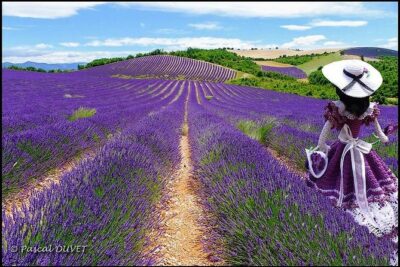
Gorges of Verdon and Fields of Lavender Tour
Read our review →
Versailles Full Day Bike Tour with Palace, Gardens, & Picnic
Read our review →
Versailles Bike Tour w/ Palace, Gardens, & Picnic
Read our review →Browse the lists this tour appears in