
Review · BUSAN GARDEN TOURS
Full-day Hadong, Gwangyang, Cherry blossom, Green Tea Fields Private Tour
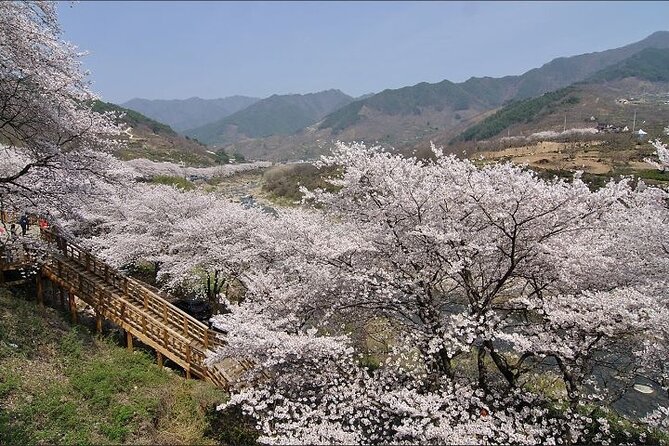
Hadong’s Shimni Beotkkot, or Wedding Road, gives this long day its main draw: four kilometers of cherry trees along the Hwagae area, where local legend promises lasting happiness to couples who walk hand in hand. The trip also adds tea fields, a mountain temple, a traditional market, and a famous beef dinner, so you get much more than a quick blossom stop.
I like the private car and flexible pace, especially for families or anyone who does not want to wrestle with distant rural buses. I also like the mix of scenery and food: Hadong tea and Gwangyang bulgogi show two very different sides of southern Korea.
The main catch is the distance. You spend several hours on the road from Busan, and the $300 price is per person, with food and any admission charges extra. Blossom timing also matters, so check the forecast before you commit.
Key points to know before booking
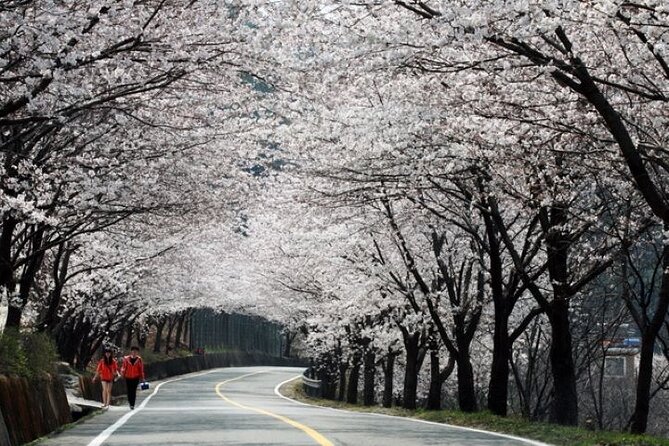
- Four kilometers of cherry blossoms: Walk the famous Shimni Beotkkot road beside the Hwagae area, usually in spring after the cold weather has passed.
- Private transport from Busan: Pickup, fuel, tolls, parking, guide-driver service, and return drop-off are included.
- More than a flower outing: Ssanggyesa Temple, Hwagae Market, the Hadong Tea Museum, tea fields, a plum farm, and a beef barbecue district fill the day.
- A useful family option: Guide Frank Yi adjusted timing for an extended family with two grandmothers and frequent rest stops. Robin has also handled pickup on time and spoken very good English.
- A long day in the countryside: Expect about 9 to 10 hours, including roughly 1 hour 40 minutes driving back from Gwangyang to Busan after dinner.
- Food is separate: Gwangyang bulgogi is the final meal stop, but you pay for meals and any admission fees directly.
Why this southern Korea day trip is worth considering
The best reason to book this outing is access. Hadong lies well beyond the easy reach of a short Busan city excursion, and the cherry road is spread through a rural area rather than gathered around a single train station. A private vehicle saves you from piecing together buses, transfers, and return times.
You also get a fuller picture of the region. The morning begins with spring flowers, then shifts to market food and Buddhist architecture. After that comes Korea’s old tea-growing tradition, followed by Gwangyang’s plum products and beef. The day has a clear food-and-culture thread instead of being only a photo stop.
At $300 per person, this is not a budget day trip. The value improves if you are traveling as a private group that wants door-to-door service, since the price includes the vehicle, driver or guide-driver, fuel, tolls, parking, and pickup. It makes less sense if you only want to see cherry trees and are comfortable arranging public transport yourself.
The price does not include meals or admission fees. Most listed stops have no admission charge, but you should still carry money for lunch, tea-related purchases, and the final barbecue. The tour requires at least two people, and it can be canceled if that minimum is not met.
More Cherry Blossom Tours in South Korea
- Jeju East: Cherry Blossom Early Bird Tour with Hotel Pickup
★ 4.8 · 21 reviews - Jinhae Cherry Blossom Festival Gyeonghwa Stn Day Tour from Busan
★ 4.5 · 13 reviews - Jinhae Cherry Blossom Day trip from Busan – A Spring Adventure!
★ 4.5 · 13 reviews
From Busan to the Seomjin River cherry road
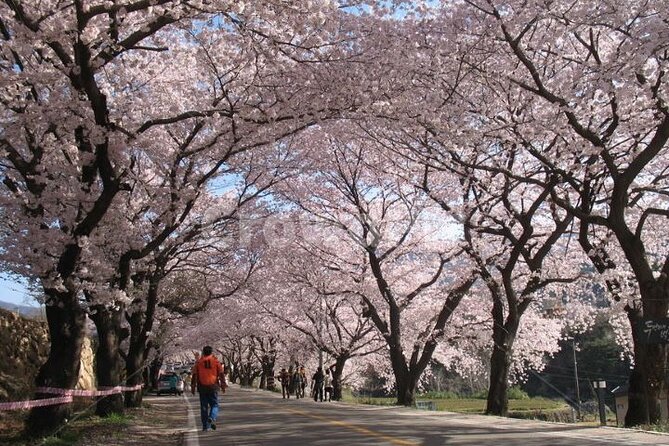
Pickup is around 9:00 a.m., with arrival in the Hadong cherry blossom area expected around 10:30 a.m. The drive is a meaningful part of the day. You leave Busan’s urban setting and head toward the southern foothills of Jirisan, where the Seomjin River and rural roads frame the trip.
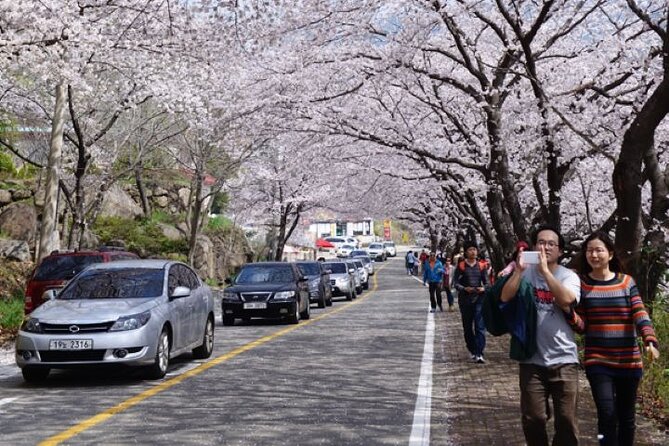
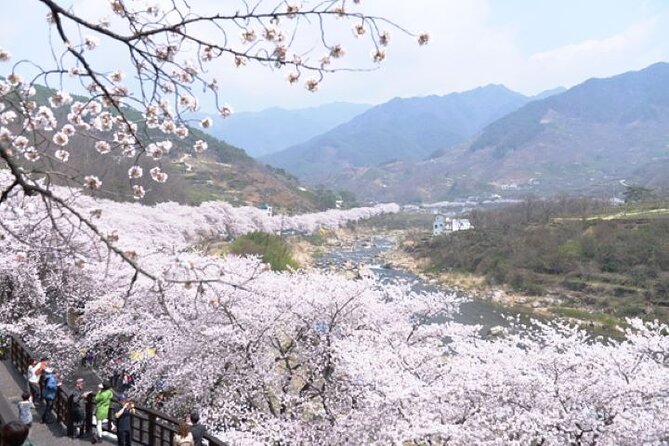
The first stop allows about two hours. That gives you time to walk rather than simply step out for a few photographs. Shimni Beotkkot means 4 kilometers of cherry blossoms, and the road is also called Wedding Road because of the local belief that couples who walk it together will remain happy.
The blossoms are described as white snowflakes, and another nearby stretch, Hwagaedongcheon, extends for about 25 kilometers with seasonal cultural events. The exact show depends on the date. Spring bloom periods can shift, so do not treat the calendar description as a guarantee of peak color.
This is the point where a private guide helps most. You can ask for more walking time, shorten the stop if the weather turns, or make room for older family members. One family outing required extra toilet breaks and a slower pace, and guide Frank Yi adjusted the timing rather than forcing everyone through a fixed schedule.
Hwagae Market and the Hwagae valley
Hwagae Market gets about 40 minutes. It is a traditional market associated with local products and regional food, and its setting near the cherry road makes it a natural second stop.
Do not expect a giant shopping complex. The appeal is the chance to see the everyday food culture of the area while you are already in the valley. You can use this pause to browse, sample something if available, or simply take a break from the car.
The market also has a literary connection. It appears as a setting in Kim Dong-ri’s novel Yeokma, translated as Stagecoach. That detail gives the stop a little more depth than a standard souvenir market, though 40 minutes is a short visit if you want to eat a full meal and shop carefully.
Since meals are not included, this could be a practical place to buy a snack. Ask your guide about timing before ordering anything substantial, as the day continues through several more stops before dinner.
Ssanggyesa Temple below Jirisan
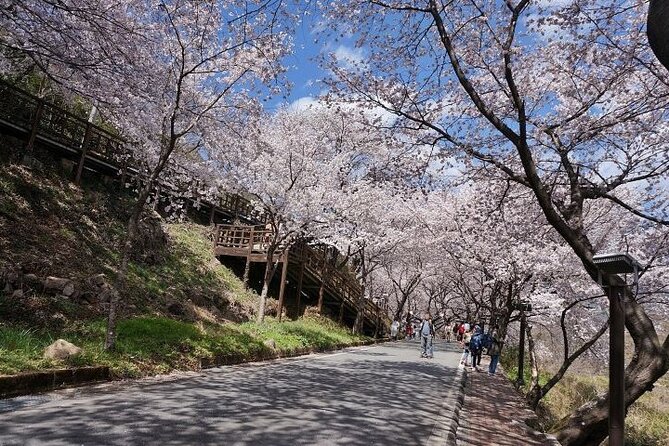
The drive continues to Ssanggyesa Temple, with about one hour on site. The temple was founded in 722 during the reign of Silla King Seongdeok. It was first called Okcheonsa Temple and took its current name in 887.
The present buildings date from 1632, after the earlier structures were destroyed during the Imjin War. That history is useful context, but the visit is not only about dates. The temple sits on the southern foothills of Jirisan, with cherry trees and mountain scenery around it.
A six-kilometer stretch of cherry trees near the temple blooms in spring. The grounds also connect with Burilpokpo Falls and a large tea-growing area, though the supplied schedule does not promise a visit to the waterfall. You should see the temple as a calm, scenic stop rather than expect a full mountain hike.
One hour is enough for a look around, but it may feel short if you want extended photography, tea shopping, and a long walk. Older adults should tell the guide if they need a slower pace or additional sitting time. The private format is helpful here because the group does not have to match a large coach schedule.
Same corner of the map, a different planting:
- Mt. Seorak+Nami Island+Garden of Morning Calm Day Trip from Seoul
★ 5.0 · 959 reviews - Seoul: Nami Island and Garden of Morning Calm opt Railbike
★ 4.6 · 907 reviews - From Seoul: Nami Island, K-drama Garden & Rail Bike Day Tour
★ 4.6 · 724 reviews - Seoul: Mt.Seorak, Nami Island & Korean Garden, No Shopping
★ 4.8 · 614 reviews
Hadong’s place in Korean tea culture
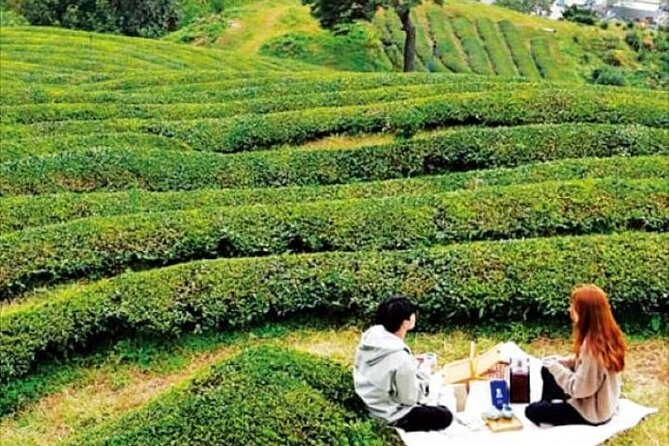
The Hadong Tea Museum receives about 40 minutes. It sits at the foot of Jirisan near the tea-growing area and Ssanggyesa Temple, and its purpose is to explain Korean tea culture and Hadong’s role as the country’s first tea-producing region.
The exhibition hall covers the history and culture of Korean tea, and the center also offers a tea-related experience. This is a useful bridge between the temple and the next stop, where you see the plants themselves.
I like this part of the day because it gives meaning to the fields. Without the museum, the tea plants might simply look like another pretty rural view. Here, you get a basic explanation of why Hadong tea matters and how the area promotes its quality.
The stop lasts less than an hour, so expect an introduction rather than an extensive museum visit. If you have a strong interest in tea, ask the guide how much time can be spent on the experience and how purchases fit into the schedule.
Dosim Dawon and Korea’s old tea trees
Dosim Dawon is the most distinctive stop for anyone interested in Korean tea. You get about an hour among tea fields in Hwagae-myeon, an area described as the first in Korea to plant tea trees and known for handmade tea production.
The fields grow along the Seomjin River and on the southern slopes of Jirisan. Tea bushes appear between rocks, creating a very different view from the ordered cherry trees on the morning road. The setting feels tied to the land rather than designed as a formal garden.
Dosim Dawon also has an ancient tea tree known as Korea’s Oldest Tea Tree, or the Thousand-Year Tree. The nearby tea-growing tradition is linked with Ssanggyesa and its thousand-year Buddhist background. These details make the stop especially worthwhile if you want to understand why Hadong is more than a seasonal flower destination.
There is an important practical point: the fields are not a flat city park. The schedule does not provide detailed information about the walking surface, so wear shoes suited to uneven outdoor ground. Your guide can help judge how far to walk, which is useful for families and older people.
The plum farm and the question of seasonal timing
The stop identified with Hong Ssang-ri’s plum farm allows about one hour. Hong Ssang-ri began cultivating 2,000 plum trees in 1965, and the farm is associated with maesil-cheong, a sweet Korean plum extract.
Fresh plums are combined with oligosaccharide and aged in traditional onggi jars for six months. The result is a tart, sweet syrup used in Korean cooking, drinks, and home kitchens. You may see it treated as a sugar substitute, or served with water as iced plum tea.
This stop is especially good for food-minded visitors who like learning how familiar Korean flavors are made. It is also a chance to buy a regional product, though purchases are not included in the tour price.
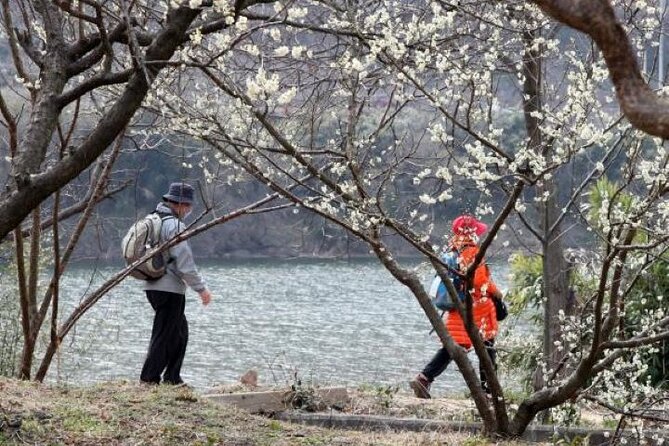
Pay close attention to the season. The day is promoted around April cherry blossoms, while the plum and apricot flower season can occur earlier. One family visit took place about a week before the cherry blossoms opened, while the plum flower event was already crowded. That means you could face a choice between early plum flowers and later cherry blooms, depending on the date.
If peak cherry blossoms are your only goal, ask for a current bloom update before booking. If you are happy to see different signs of spring, the timing issue becomes less serious.
Gwangyang bulgogi after a full day outdoors
The final main stop is Gwangyang Bulgogi Alley, with about one hour for dinner. Gwangyang-style bulgogi is known for tender beef with a sweet traditional seasoning, along with side dishes that are part of the meal.
This is a sensible ending. After a morning of walking and an afternoon among temples and tea fields, you get a substantial Korean meal before the return drive. Bulgogi is also an approachable choice if you are new to Korean food, since the sweet seasoning and grilled beef are easy introductions to local barbecue.
Dinner is not included, so budget separately. The supplied details do not state a set menu or restaurant, and the exact bill will depend on what you order. Ask the guide about the meal plan and dietary needs when booking. Specific dietary requirements should be provided in advance.
After dinner, the drive from Gwangyang back to Busan takes about 1 hour 40 minutes. The listed day includes a final two-hour Busan return segment, with drop-off at the original pickup area. You should expect to arrive tired, especially after walking in the morning and visiting several stops, but you will not need to navigate a late-night transfer on your own.
Who will get the most from this private tour
I would choose this day for a couple who wants the symbolic Wedding Road, a family that values door-to-door transport, or a small group that wants to combine blossoms with food and tea. The private setup is particularly useful when people walk at different speeds.
It also suits first-time visitors to Korea who want countryside access without arranging several regional connections. Robin has handled on-time pickup and English-language guiding, while Frank Yi has shown flexibility with large families, older relatives, and extra breaks.
The day is less suitable if you want a relaxed pace with only one or two attractions. Nine to ten hours is a long commitment, and the schedule covers a lot of ground. It is also not the best match for someone seeking a deep mountain trek, since the plan centers on accessible sightseeing stops rather than a long hike.
Pickup is available, including transport for people with luggage at Busan’s PUS airport. The meeting instruction is simple: be at the agreed location on time, and the guide will meet you near the exit gate with your name displayed.
Free cancellation is available up to 24 hours before the start time. Changes made inside that window are not accepted, and the minimum two-person rule still applies.
Should you book this Hadong and Gwangyang day trip?
Book it if spring scenery, Korean tea, local food, and private transport all matter to you. The experience earns its price through convenience and variety, not through a single blockbuster attraction. You get a difficult-to-reach rural region, a flexible guide-driver, and a full day without changing buses.
Before paying, confirm the expected cherry blossom date and ask how the guide will handle the plum farm stop. If the flowers are your main reason for going, timing is more important than the schedule on paper. If you are traveling with older relatives, a large family, or luggage, the private car and flexible timing make the long day easier to manage.
For a small group willing to spend for comfort and access, this is a strong southern Korea day trip. For a solo visitor or a strict budget traveler, the per-person cost and extra meal expenses may be harder to justify.
FAQ
Where does the tour begin and end?
Pickup and drop-off are provided in Busan. You are asked to meet at the agreed location, where the guide will wait near the exit gate with your name displayed.
How long does the experience last?
The full day lasts approximately 9 to 10 hours. The return drive from Gwangyang to Busan takes about 1 hour 40 minutes after dinner.
Is transportation included?
Yes. Private transportation, fuel, tolls, parking fees, guide-driver service, pickup, and drop-off are included.
Are meals included in the price?
No. Meals are paid for separately, including the Gwangyang bulgogi dinner.
Are admission fees included?
Admission fees are not included. The listed stops specify free admission, but any charges that apply are paid at the location.
How many people are required to book?
At least two people are required. If the minimum is not met, the experience may be canceled, with an alternative or full refund offered.
Can travelers with airport luggage join the tour?
Yes. Transport is possible for travelers with luggage at Busan’s PUS airport.
Can the guide accommodate dietary requirements?
Yes, you should provide any specific dietary requirements when booking.
What is the cancellation policy?
You can cancel up to 24 hours before the start time for a full refund. Cancellations or changes made less than 24 hours before the start time are not accepted for a refund.
Full-day trips around South Korea
- Full Day Private Tour Nami Island, Garden & Petite France
★ 5.0 · 57 reviews - 2026 JEJU Cherry Blossom West&South Full Day Tour with UNESCO
★ 5.0 · 12 reviews - Full-Day Jinhae Cherry Blossom festival Private tour
★ 5.0 · 3 reviews - Versailles Full Day Bike Tour with Palace, Gardens, & Picnic
★ 5.0 · 2,217 reviews
Just added around South Korea
- Taean Tulip Festival and Strawberry Picking Day Tour from Seoul★ 4.5 · 3 reviews
- Scenic Escape: Nami Island, Garden of Morning Calm, and Rail Bike★ 3.0 · 2 reviews
- Seoraksan and Cherry Blossom Lake 1 day trip from Seoul★ 5.0 · 4 reviews
- Strawberry & Eobi Valley & Nami Island & Garden of Morning Calm★ 4.5 · 2 reviews
- Full Day Private Tour Nami Island, Garden & Petite France★ 5.0 · 57 reviews
- Eobi Ice Valley& Nami Island with Garden of Morning Calm Trip★ 4.5 · 9 reviews
- Alpaca, Nami, Petite Fr, Italian Village, Garden of Morning Calm★ 3.5 · 5 reviews
- Seoul Vicinity 5 in 1: Nami Island, Garden of Morning Calm & More★ 4.5 · 124 reviews
Busan Garden Tours, compared.
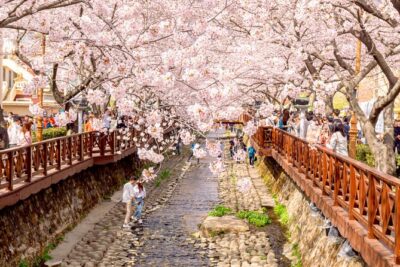
Jinhae Cherry Blossom Festival Gyeonghwa Stn Day Tour from Busan
Read our review →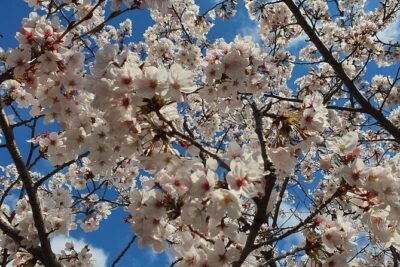
Jinhae Cherry Blossom Day trip from Busan – A Spring Adventure!
Read our review →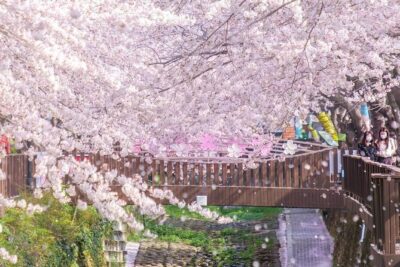
Jinhae Pink Cherry Blossom One Day Tour From Busan
Read our review →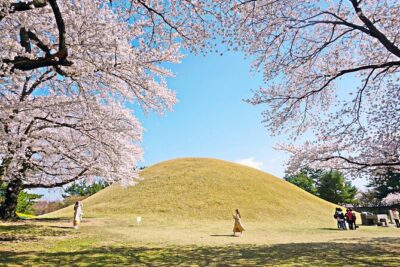
Gyeongju Cherry Blossom Day Tour from Busan (2~3 spring spots)
Read our review →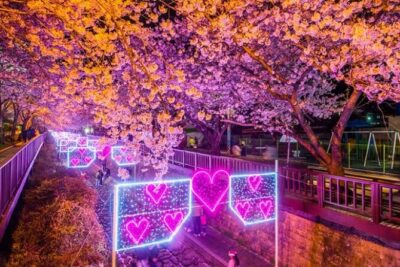
Full-Day Jinhae Cherry Blossom festival Private tour
Read our review →Browse the lists this tour appears in