
Review · GREECE GARDEN TOURS
Cooking experience in the most beautiful garden near Rethymno
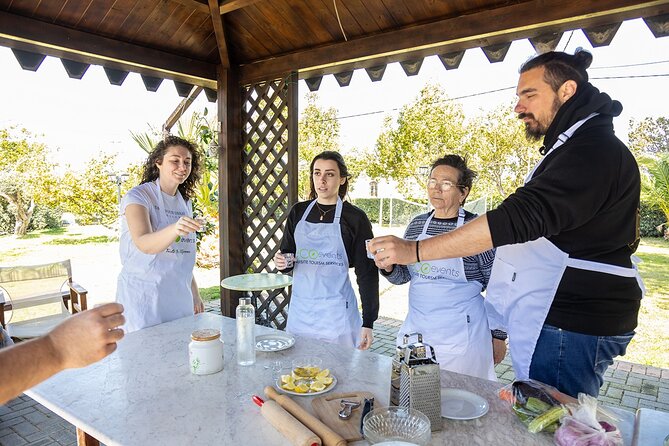
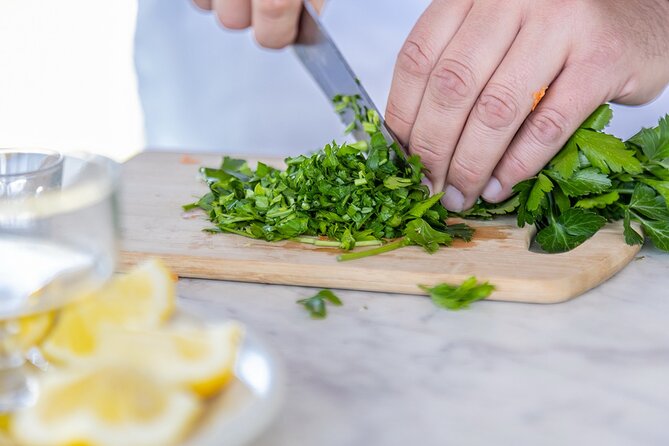
The best part of this Cretan cooking class is that you do not simply watch someone prepare lunch. You work with the dough, vegetables, cheese, and herbs yourself, then sit down in a garden near Pigi to eat the results from a traditional wood-fired oven. Maria and Rebecca are named as especially warm hosts, while Michael has served as guide, translator, and sous-chef.
I like the small maximum of eight people and the chance to visit the vegetable and herb garden before cooking. I also like the practical touch of a pool, covered outdoor cooking area, apron, tools, and free-flowing local wine and raki. The main consideration is the setting: much of the class takes place outdoors, so bring warm clothes on a cool evening and confirm the extra cost if you need a transfer from Rethymno.
Key points at a glance
- A real hands-on menu: Prepare dakos, bread, gemista, tzatziki, mizithropitakia, and chicken with potatoes.
- A garden setting near Pigi: You can look around the vegetable and herb garden or use the swimming pool before cooking.
- A wood-fired finish: Your meal is cooked in a traditional oven and served outdoors.
- Small groups: The class accepts no more than eight people, which allows for direct help at the worktables.
- Strong hospitality: Maria, Rebecca, Reveka, and Michael are named in the experience details and guest feedback.
- Wine and raki included: Alcoholic drinks accompany the meal, along with plenty of laughter and conversation.
Cooking Cretan food in Pigi
At 5:00 pm, you meet at Euphoria Homes on the road between Platanes and the Arkadi Monastery area, in the village of Pigi. The drive from Rethymno brings you away from the city and into a more relaxed village setting, though you should confirm transport before booking because a transfer from Rethymno to the meeting point carries an extra charge.
The class lasts about four hours. That gives you time to settle in, cook several dishes, and eat at an unhurried pace. This is not a rushed demonstration squeezed between sightseeing stops. You are there for the whole evening, with the food and company forming the main event.
The garden is a big part of the appeal. Before putting on an apron, you can visit the vegetable and herb garden or use the swimming pool. Bring a swimsuit if you want that option. The pool is a useful extra for families and warm-weather visitors, but it is not the main reason to book the class. The cooking and shared meal are the heart of it.
The outdoor setting also comes with a practical catch. The class can continue under a covered pavilion in poor weather, but the experience depends on good conditions. One family received a message warning them to dress warmly on a rainy, chilly day, and an extra jacket was provided for their daughter. Pack a light layer even in summer, especially if you are sensitive to evening temperatures.
Cooking classes around Greece:
- Athens Cooking Class and Lunch in our beautiful garden in Greece
★ 5.0 · 130 reviews - Athens Market Tour and Cooking Class in a Beautiful Garden
★ 5.0 · 122 reviews - Cooking Class at Diamond Roof Garden
★ 5.0 · 14 reviews
What you actually cook
The menu gives you a broad taste of Cretan home cooking rather than a single showpiece dish. You learn several preparations, then eat them together as a full meal.
Dakos, the Cretan open-faced starter
Dakos, also called koukouvagia, begins with tomatoes and xinomyzithra, a tangy local cheese. A version with feta, anthotyros, and oregano may also be prepared. The dish is simple, but it shows how Cretan cooking gets strong flavor from basic ingredients.
You will not need complicated equipment or advanced skills here. The value comes from learning how local cheese, tomato, bread, and herbs work together. It is the sort of recipe you can recreate at home, provided you can find a suitable cheese.
Bread from the wood-fired oven
You get to make your own bread, then send it to the wooden oven. This is one of the more memorable parts of the class because it connects the preparation directly to the meal. You are not just mixing ingredients in a modern kitchen and moving on.
The oven also changes the pace. Once the bread and other dishes are ready, cooking becomes a shared process, with the hosts managing the heat while you watch the food finish. If you are interested in traditional kitchen methods, this is more useful than a quick explanation of how a wood oven works.
More Garden Tours in Greece:
- National Gardens Segway Tour
★ 4.5 · 93 reviews - Rethymno:Matala ,Agia Galini,Botanic Garden & Spili Day Trip
★ 4.6 · 21 reviews - Sunrise Pilates & Calisthenics at National Garden
★ 5.0 · 16 reviews - Athens: National Garden 2-Hour Segway Tour
★ 5.0 · 10 reviews
Gemista, stuffed vegetables
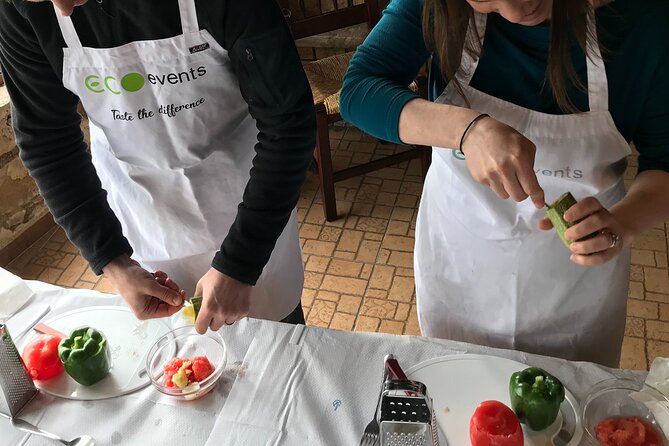
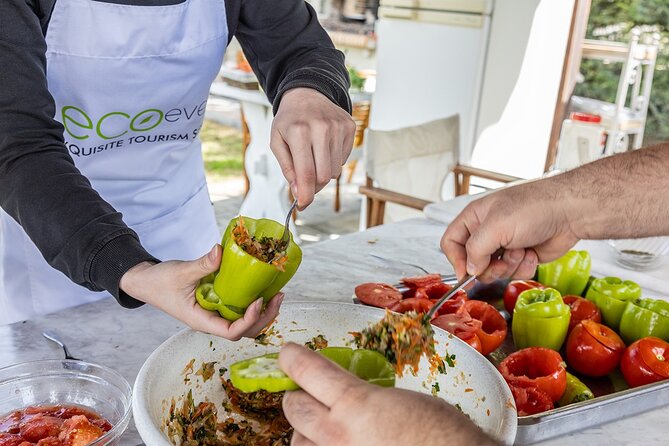
Gemista consists of vegetables filled with a seasoned mixture and baked until tender. The dish is colorful, filling, and central to Greek home cooking. Preparing it gives you a clear sense of how much work goes into a family meal, from hollowing the vegetables to mixing the filling and arranging everything for the oven.
This is a good recipe for vegetarians because it is satisfying without relying on meat. Vegetarian options are included in the class, so you should mention any dietary needs when you reserve.
Mizithropitakia with honey
Mizithropitakia are small pastries made with sweet mizithra cheese and served with honey. They offer a different flavor from the savory starters and mains, and they make the menu feel like a proper Cretan meal rather than a single cooking exercise.
The contrast between soft cheese and honey is also a useful introduction to local ingredients. You may not have access to mizithra at home, so this is one of the dishes where the class gives you something difficult to duplicate without a Greek market nearby.
Tzatziki and chicken with red sauce
You prepare tzatziki with yogurt, cucumber, garlic, and the usual fresh seasoning. It is familiar around the world, but making it in Greece gives you a chance to see the balance the hosts prefer and how it fits beside bread, vegetables, and meat.
The chicken is cooked with red sauce and potatoes. Together, these dishes provide the substantial part of the meal. The menu is generous, and the portions may be larger than you expect. Some people have left with leftovers, though this can be awkward if you are staying in a hotel without a refrigerator or kitchen. Bring a plan for storing food if you think you will want to take some away.
A garden, a covered pavilion, and a swimming pool
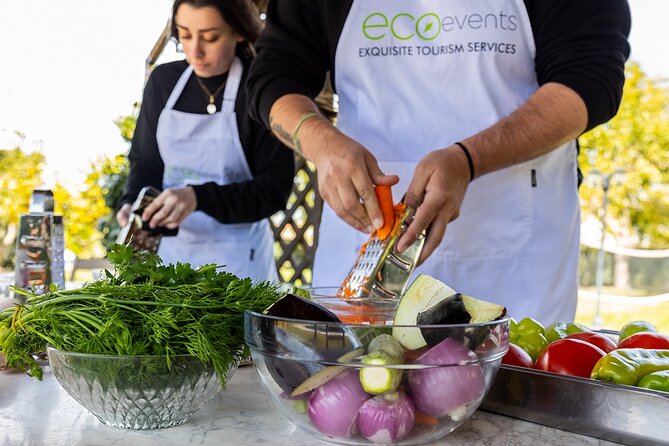
The setting is not a restaurant dining room. You cook and eat outdoors in a spacious garden, with the plants and herbs close by. That makes the class feel more like being welcomed into a private home than attending a formal culinary school.
The hosts use the garden as part of the experience rather than as simple decoration. You can see some of the ingredients growing before you prepare them, which adds useful context without turning the evening into a lecture. The approach is practical: handle the food, ask questions, and then eat it.
The pool is available before cooking, so families or couples who want a little downtime should bring swimwear. Still, do not book this expecting a pool day. The schedule centers on cooking, and there is no promise of a long swimming session.
The covered pavilion matters more than it may first seem. Outdoor meals are wonderful in good weather, but Cretan evenings can turn cool or wet. The class has a sheltered option, yet you should still dress for the forecast. The hosts have shown care with this issue, including offering an extra jacket to a child who arrived underdressed.
The people make the evening
The named hosts give the class a personal character. Maria guides the cooking step by step, while Rebecca is associated with the home and the practical hospitality. Reveka is also named as a host, and Michael has worked as a guide, translator, and sous-chef.
The guide may speak English or French. The activity is offered in English, so English-speaking visitors should be able to follow the class. The hands-on format also helps if a food term or cooking instruction needs extra explanation. You can watch, copy the technique, and ask for help at the worktable.
The group limit is eight people. That number is small enough to keep the activity social without making it feel like a private lesson. On quieter dates, the class may be even smaller. One session had only four people, which allowed the hosts to give the group plenty of direct attention.
A small group also makes the meal more natural. You have room to talk with the people beside you, but you are not trying to hear instructions across a crowded room. For families, the format can work well because children can take part in manageable jobs, though the outdoor timing and evening setting are worth considering.
Eating what you made
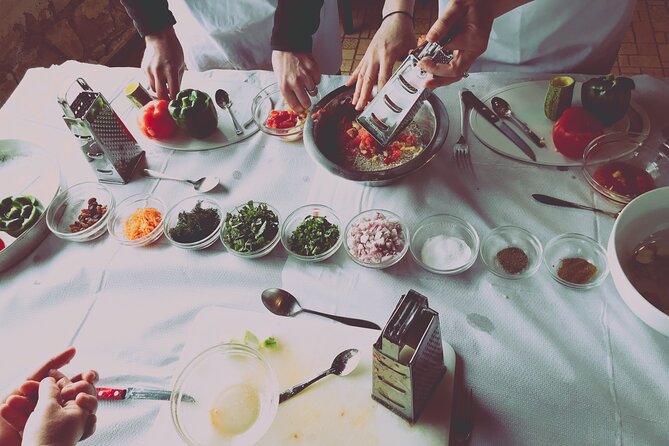
Once the cooking is complete, the dishes go into the traditional wood-fired oven or are finished for serving. You then eat outside in the garden, with local wine and raki available alongside the meal.
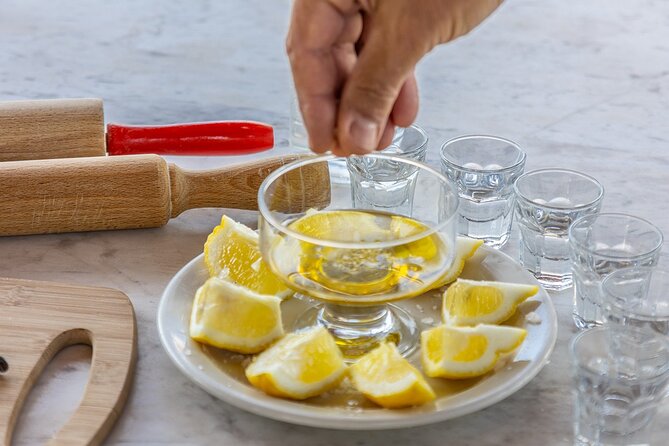
The drinks are included, not an extra purchase at the end. Free-flowing alcohol makes the evening feel festive, but it is also something to plan around if you are driving. Confirm your return transport before drinking, particularly if you arrange your own way to Pigi.
Raki is a strong spirit, so take it slowly. You can enjoy the local custom without treating it like a contest. Wine, food, and conversation provide plenty of pace for the evening.
The menu should leave you well fed. Bread, cheese, stuffed vegetables, chicken, potatoes, tzatziki, and sweet cheese pastries make this much more substantial than a short tasting. The generous quantities can mean leftovers. That is welcome if you have a suitable place to store them, less useful if you are moving between hotels.
Is the $114.02 price good value?
At $114.02 per person, this is not the cheapest meal you will find in Crete. It is better compared with the price of a standard dinner plus a separate cooking lesson, garden visit, drinks, and transport arrangements.
The fee includes the English or French-speaking guide, cooking instruction, apron, utensils, all ingredients, a full lunch, vegetarian options, taxes, and handling charges. Wine and raki are also part of the experience. That package gives the price more weight than a restaurant meal, because you are paying for several hours of personal instruction and the chance to make the food yourself.
The value is strongest if you enjoy cooking or want a cultural activity that involves doing rather than looking. If you only want to eat Cretan food, a local taverna will cost less and require less time. If you want recipes, contact with hosts, and a relaxed shared table, the price is easier to justify.
Group discounts are available. The class is booked, on average, 76 days ahead, so popular dates may require planning. The high rating of 4.7 from 19 ratings and recommendation by 95 percent of participants suggest a strong track record, but the sample is still modest. I would use those figures as a helpful sign, not the only reason to book.
Who should book this class?
I would recommend it to food lovers, couples, families, and anyone who wants a more personal Cretan evening. It suits people who like to ask questions, handle ingredients, and sit at a shared table after the work is done.
Vegetarians have a clear reason to consider it because vegetarian options are included. People with allergies should note them in the reservation. The hosts have accommodated allergies, but advance notice is still the sensible step.
This is also a good choice for visitors staying around Rethymno who do not want to spend an evening finding a restaurant. Hotel pickup may be available, but the transfer from Rethymno to Pigi costs extra, so confirm the exact arrangement before you commit.
I would think twice if you dislike outdoor activities, need a tightly timed schedule, or want a polished indoor cooking studio. Weather can affect the class, and the evening takes about four hours from the 5:00 pm start. It is a full activity, not a quick stop.
Service animals are allowed. The group maximum is eight, and the activity returns to the meeting point at the end.
Practical booking advice for Pigi
Wear clothes you can cook in and bring a light layer for the evening. If you want to use the pool, pack a swimsuit and anything you need before changing into cooking clothes.
Tell the provider about allergies or dietary needs when booking. Vegetarian food is included, but the menu contains several dairy-based dishes and may include meat unless you request an alternative.
Ask about transport from Rethymno, since the meeting point is Euphoria Homes in Pigi and a transfer has an extra charge. If you drive yourself, remember that wine and raki are included, so arrange a safe return.
Cancellation is free up to 24 hours before the 5:00 pm start for a full refund. Changes or cancellations inside that period are not accepted for a refund. Poor weather or failure to reach the minimum number of participants can lead to a new date, another experience, or a full refund.
Should you book the Cretan garden cooking class?
Book it if you want to learn several Cretan recipes, eat a generous home-cooked meal, and spend an evening with hosts who make personal care part of the experience. The small group, wood-fired oven, garden, local drinks, and access to ingredients you may not find at home give it real character.
Skip it if you want a short, inexpensive meal or prefer a fully indoor activity. For everyone else, this is one of the better ways to turn dinner into a useful memory, especially if Maria, Rebecca, Reveka, or Michael are guiding your group.
FAQ
Where does the cooking class take place?
The class takes place at Euphoria Homes, on Epar.Od. Platanon-Moni Arkadiou in Pigi, near Rethymno, Crete.
What time does the experience start?
The stated start time is 5:00 pm.
How long does the cooking class last?
The experience lasts approximately four hours.
What dishes will I prepare?
The menu includes dakos or koukouvagia, bread, gemista, mizithropitakia, chicken with red sauce and potatoes, and tzatziki. The exact menu may include additional dishes.
Are vegetarian options available?
Yes. Vegetarian options are included in the cooking lesson and full meal.
Are drinks included?
Yes. Local wine and raki are included, along with the meal.
How many people can join the class?
The activity accepts a maximum of eight participants.
Is hotel pickup included?
A transfer from Rethymno to the meeting point may be arranged for an extra charge. Confirm the transport cost and pickup details when booking.
Just added around Greece
- Off-Road Safari, Traditional Villages & Botanic Garden Walk★ 5.0 · 5 reviews
- Half Day Private Tour to Botanical Garden in Chania★ 5.0 · 2 reviews
- Cooking Class at Diamond Roof Garden★ 5.0 · 14 reviews
- Athens with Kids: Myths & Family Games in the National Garden★ 5.0 · 8 reviews
- Rethymno:Matala ,Agia Galini,Botanic Garden & Spili Day Trip★ 4.6 · 21 reviews
- Melanes Tour: Village Highlights & Garden-to-Table Meal★ 4.5 · 5 reviews
- Karpathos: Botanical Clay Workshop & Pottery in a Vineyard★ 4.8 · 4 reviews
- Botanical Gardens of Crete Private SUV Tour★ 3.5 · 4 reviews
Greece Garden Tours, compared.
Athens Cooking Class and Lunch in our beautiful garden in Greece
Read our review →
Athens Market Tour and Cooking Class in a Beautiful Garden
Read our review →
Rethymno:Matala ,Agia Galini,Botanic Garden & Spili Day Trip
Read our review →
Sunrise Pilates & Calisthenics at National Garden
Read our review →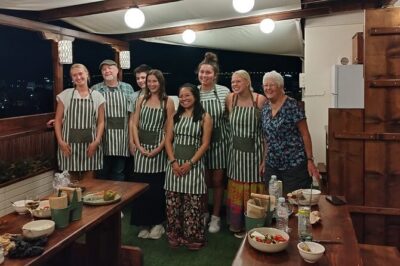

Athens Market Tour and Cooking Class in a Beautiful Garden
Read our review →Browse the lists this tour appears in