Review · GARDEN TOURS
Kigali: Traditional Basket Weaving in a Garden
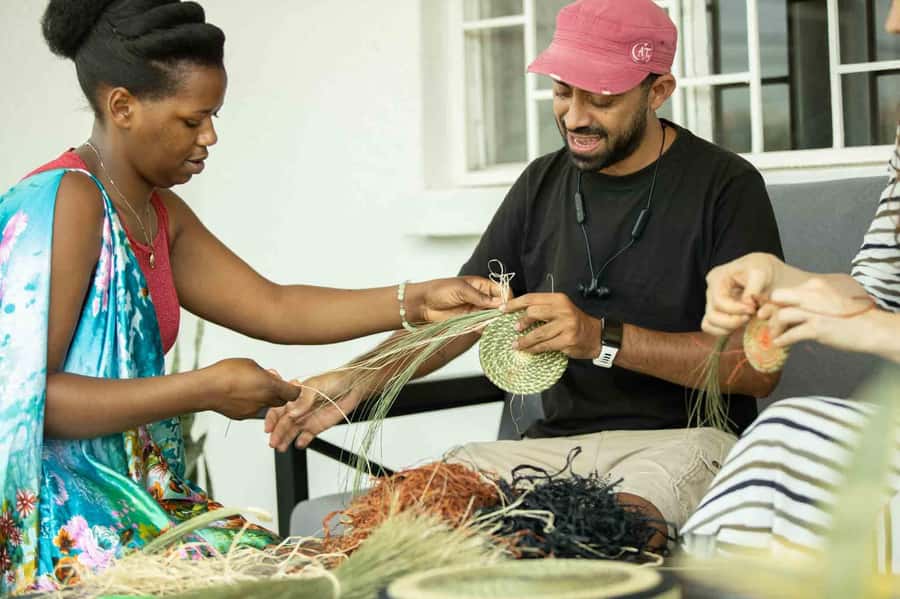
The best part of this Kigali activity is its simplicity: you sit in a garden with Rwandan women who know the craft, work with papyrus, and leave with something made by your own hands. I like the small-group feel and the chance to support local makers directly. I also like that the lesson is about more than technique. Patterns, materials, and family traditions give the weaving a place in daily life.
The main thing to keep in mind is that your finished piece may be modest. Many people make a coaster, small bowl, or little basket in two hours rather than a large decorative basket. That is still a useful souvenir, but you should book this for the learning and conversation first, not for a major piece of luggage.
Key points to know before you book
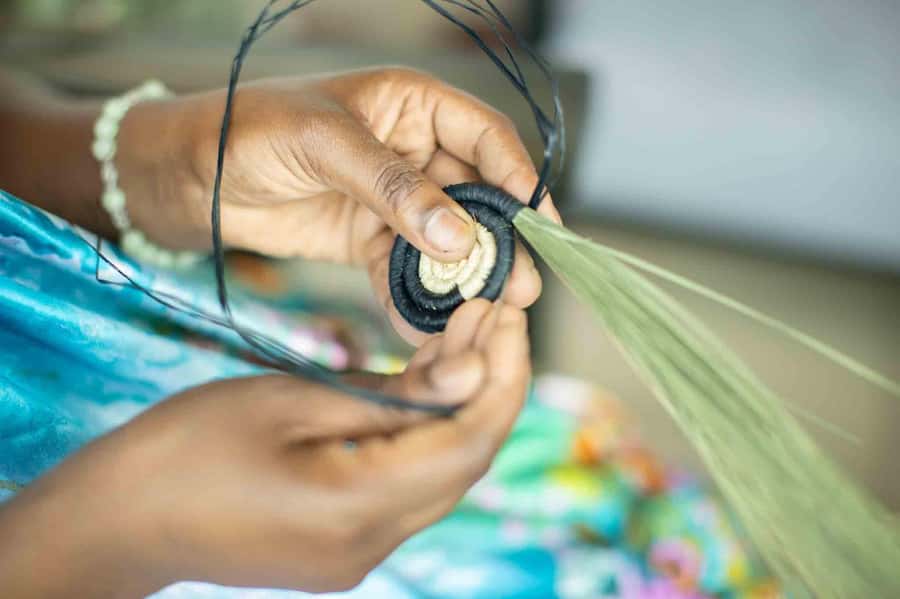
- A garden workshop in Kigali: The setting is comfortable and pretty, with some sessions held at or near a pleasant coffee shop.
- Patient instruction: Sandrine is named by several participants as a kind, skilled teacher who takes time to help beginners.
- A practical souvenir: You may make a small basket, bowl, or coaster and take it home.
- Culture through craft: Your hosts explain the meaning of weaving, designs, and the role of the craft in Rwanda.
- English and French support: Instruction is offered in both languages, with a translator available when needed.
- Two hours for $30: The price is fair if you value personal instruction, local connection, and a handmade keepsake.
Starting with Rwandan basket weaving
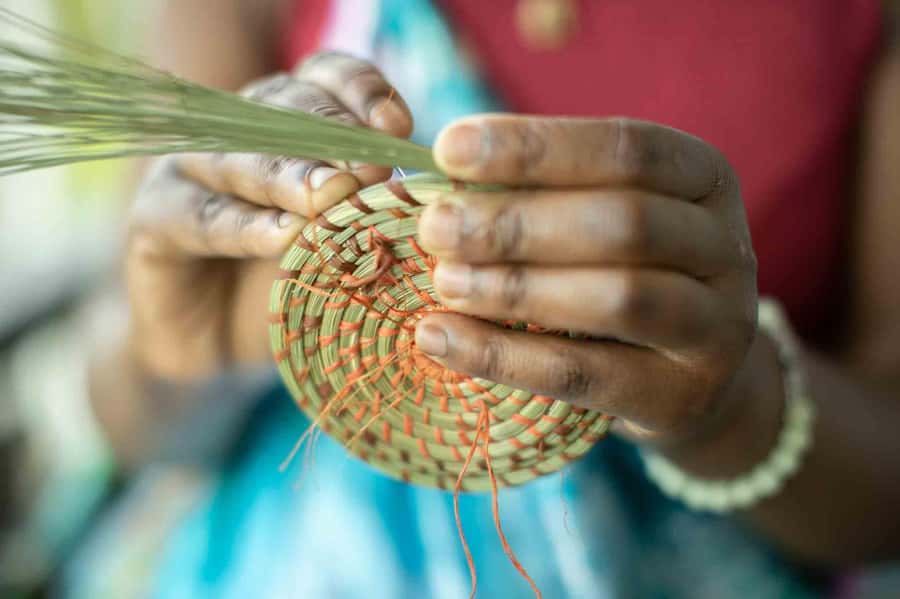
Rwandan baskets are not just pretty objects for a hotel shelf. Basket making carries stories about skill, patience, family teaching, and local identity. At this workshop, you get a close look at those ideas while learning the basic motions yourself.
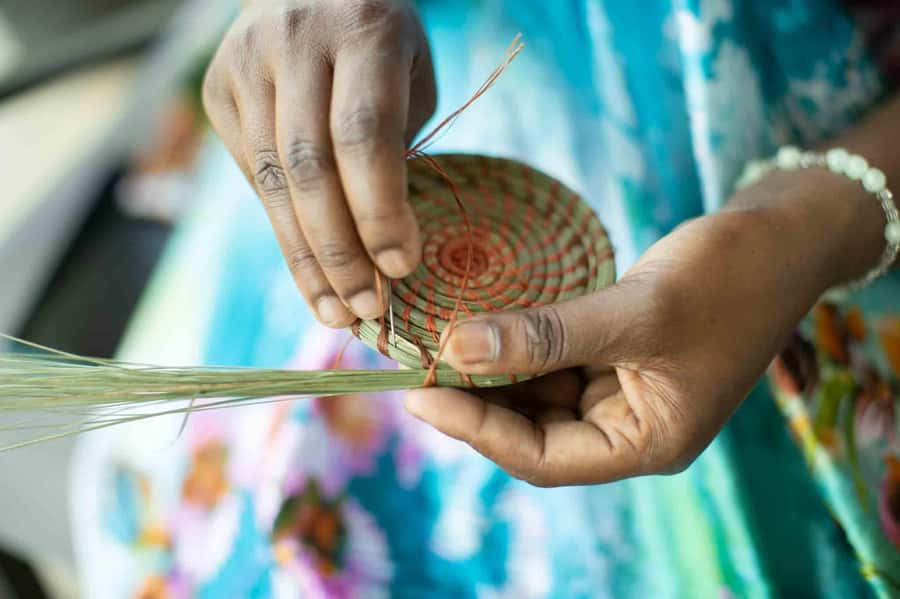
Your hosts begin with a welcome and an explanation of the craft. They introduce the materials and tools, then show you how to start. The supplied description refers to traditional Rwandan baskets and papyrus leaves, while the finished item may be a small basket, coaster, or bowl depending on your pace and the format of the session.
I like this approach because it gives you a physical way to understand the work. It is easy to admire a finely made basket in a market and miss the hours of careful handwork behind it. When your own rows begin to loosen or tilt, the skill of the instructor becomes clear very quickly.
The workshop is also a direct way to put money into a local activity. The women leading the session pass down their skills and earn from their craft. For you, the $30 fee buys two hours of instruction and materials. For the community, it helps keep a traditional skill connected to paid work.
More Garden Tours in the world:
- Paris: Versailles Palace and Gardens Full Access Ticket
★ 4.6 · 41,579 reviews - Amsterdam: Keukenhof Entry & Shuttlebus with Flexible Return
★ 4.7 · 11,891 reviews - Versailles: Skip-the-Line Tour of Palace and Gardens Access
★ 4.7 · 10,429 reviews
The garden setting and first welcome
The setting matters here. The activity takes place in a garden in Kigali, which gives the lesson a calm, open-air feel rather than the feel of a formal classroom. Several sessions have included tea or coffee, and one workshop took place at a cozy coffee shop where a complimentary coffee was available.
Do not treat the drink as the main reason to book, since food and drink arrangements can vary. Still, it is a nice touch. You can settle in, meet the instructor, and begin a conversation before concentrating on the weave.
The welcome is also your first chance to ask practical questions. If you have never handled papyrus or woven fibers before, say so. The instructors are used to beginners, and the teaching style described by participants is patient and hands-on.
The activity is suitable for men and women. One participant was the only male in the group and still had a good time making a coaster. That is useful to know if you are wondering if the workshop is aimed only at women or craft specialists. It is not.
Learning from Sandrine and the local artisans
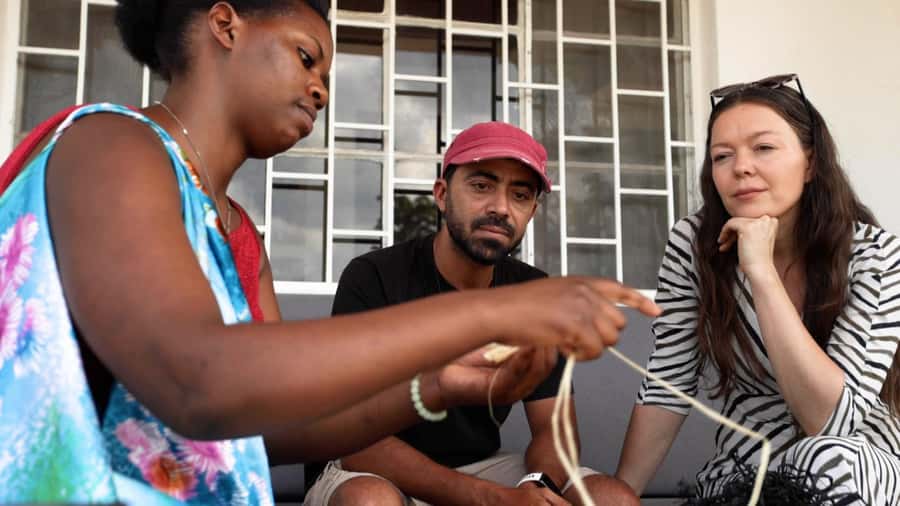
Sandrine is the instructor name that comes up most often in connection with the workshop. She is described as quick with the materials, gentle in her teaching, and willing to repeat a step until it makes sense. You should expect to work at your own speed while she demonstrates the correct tension and placement.
That tension is the heart of the craft. Pull too hard and the shape can tighten unevenly. Leave the fibers too loose and the piece may lose its form. I like that this makes the class active rather than passive. You are not simply watching an artisan produce a perfect basket. You are trying, correcting, and gradually seeing the structure appear.
Some sessions use a translator, especially when the instructor and participant do not share a strong common language. English and French are listed as the working languages. Clear instructions are part of the activity, but you should still expect some learning through demonstration. Handwork often crosses language barriers well, since your teacher can show you the movement and guide your hands.
The personal exchange is one of the strongest parts of the workshop. Your hosts share their own stories and explain why basket weaving matters in Rwanda. The information is not presented as a long lecture. Instead, it comes through the work, the patterns, and conversation around the table.
Making your own coaster, bowl, or basket
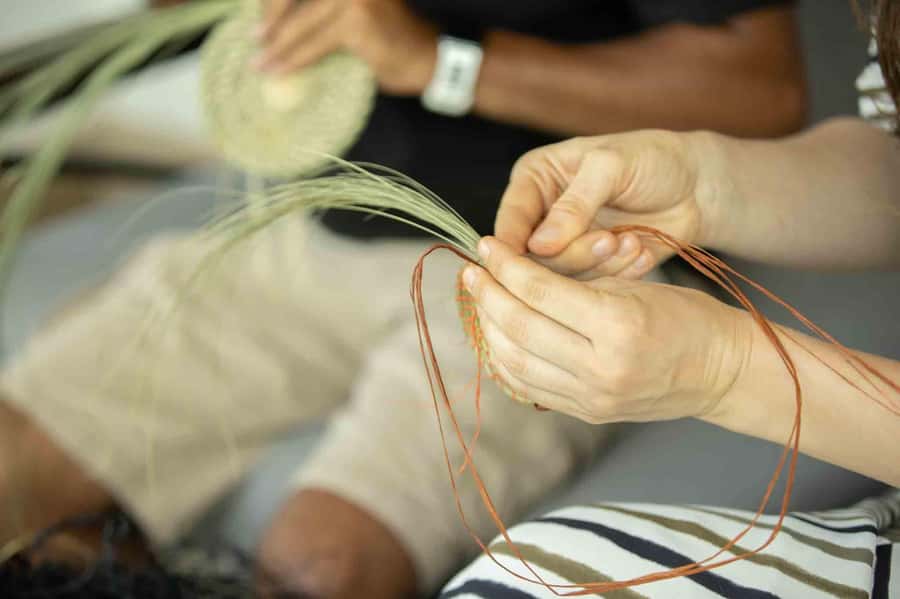
The exact finished item depends on your ability and the pace of the class. In two hours, a beginner may complete a coaster or small bowl. Some people finish a tiny basket. One participant received extra time to complete the work, which suggests that the instructors care about letting you leave with a finished object when possible.
That extra time is not guaranteed, so plan for a small project. You are unlikely to produce a large, complex basket in one sitting. The value lies in making an object yourself and gaining respect for the time required to create the larger pieces sold in Rwanda.
The process has a pleasant rhythm. You select or receive the materials, watch the opening steps, and copy the pattern. The teacher checks your work, fixes mistakes, and helps you continue. As the rows build, the flat fibers become a recognizable form.
You may also hear about the meaning of patterns and designs. The supplied details do not assign a specific meaning to each pattern, so you should not expect a fixed explanation for every color or shape. Instead, ask your instructor what the design in your own piece represents and how it relates to Rwandan basket traditions.
The finished item is easy to take home. A coaster takes little space in a suitcase, while a small bowl or basket gives you a more visible reminder of Kigali. I find handmade souvenirs more useful when they carry a memory of the making. Here, the uneven first rows may become part of the charm.
Same corner of the map, a different planting:
- Marrakesh: Majorelle Garden Entry Tickets
★ 4.5 · 9,651 reviews - Vienna: Schönbrunn Palace & Gardens Skip-the-Line Tour
★ 4.7 · 7,739 reviews - Granada: Alhambra & Gardens Tour w/Nasrid Palaces Option
★ 4.2 · 7,022 reviews - From Paris: Versailles Palace & Gardens with Transportation
★ 4.6 · 6,222 reviews
Why the cultural context matters
Craft workshops can become shallow if they reduce local culture to a quick photo and a souvenir. This one has more substance because the people teaching you are active makers, not simply presenters. You see the work close up and have time to ask questions.
Basket weaving also offers a quieter way to learn about Rwanda. You are not being rushed from one sight to another. You are sitting with local women, listening to their explanations, and watching a skill passed between generations. That pace leaves room for a real conversation.
I especially like the link between cultural learning and economic support. The activity is designed to help local women and craftsmen earn directly from their skills. You are paying for instruction, materials, and time, while helping keep the craft useful in the present rather than treating it as a museum piece.
You should still approach the workshop with respect. Do not expect the instructors to perform constantly for you or provide an exhaustive history of every Rwandan region. The information is practical and personal. If you are curious, ask thoughtful questions about the fibers, the patterns, how long larger baskets take, and who taught the instructor.
What the two-hour schedule feels like
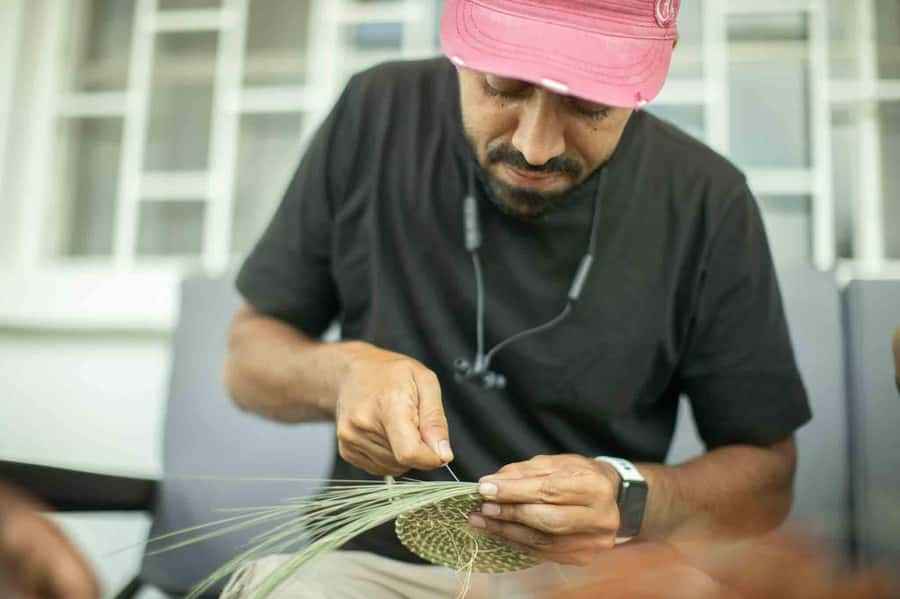
The advertised duration is two hours, which is enough time to learn the basics without taking over your entire day in Kigali. I would place it between larger sightseeing plans, leaving some breathing room before and after. The activity may run slightly longer if you need to finish a small piece, but you should not build a tight connection or appointment immediately afterward.
A typical session follows this general rhythm:
- Welcome and introductions with the local artisans.
- An explanation of basket weaving and its place in Rwandan culture.
- A demonstration of the materials, tools, and basic technique.
- Guided practice as you begin your own piece.
- Conversation about patterns, designs, and the lives of the makers.
- Finishing help and a chance to take your handmade object home.
The small-group format is a real benefit. You can see the instructor’s hands and ask for help without competing with a large crowd. It also gives you more time to talk. The experience is less suitable if you want a polished production or a rapid market visit, but it works well for a slow morning or afternoon.
One participant wished there had been music and more storytelling during the weaving. That is a fair point. Conversation may depend on the group and the questions you bring. If you want more cultural detail, ask for it rather than waiting for a long presentation.
Price, value, and what is not included
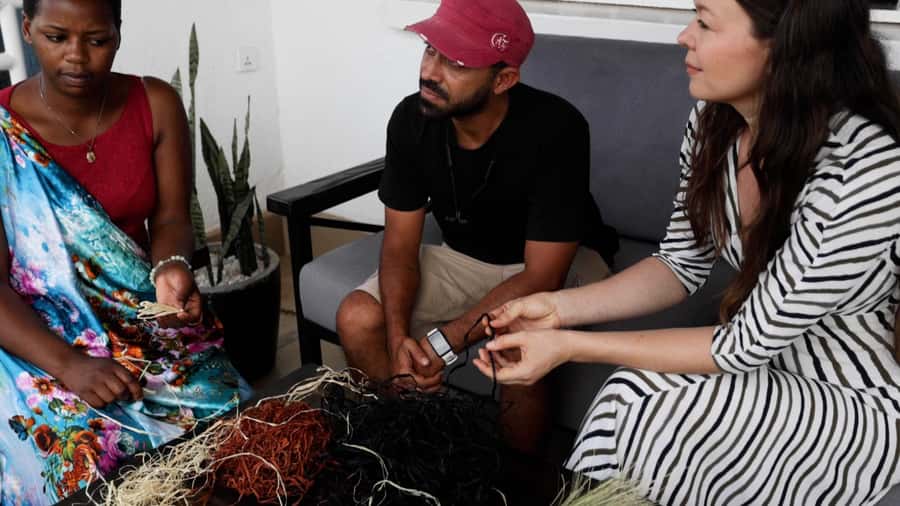
At $30 per person, the workshop is reasonably priced for a two-hour cultural activity with instruction, materials, and a take-home object. I would not compare it only with the cost of buying a coaster in a market. The fee also covers the time of the artisan teaching you, the welcome, the cultural explanation, and the community support built into the activity.
The price is strongest for people who value contact with local makers. If you only want a cheap souvenir, a market purchase may cost less and take less time. If you want to understand how the item is made and try the skill yourself, the workshop offers more.
Transportation to and from the location is not included. You need to arrange your own way there, so check the exact meeting point and allow enough time in Kigali traffic. Personal expenses are also separate. Coffee or tea has been available in some sessions, but I would not assume every booking includes the same refreshments.
The activity offers free cancellation up to 24 hours before the start time, and you can reserve now and pay later. Those terms are useful if your Kigali schedule is still moving, but you should still check the available start times before committing to a busy day.
Who will enjoy this Kigali activity most
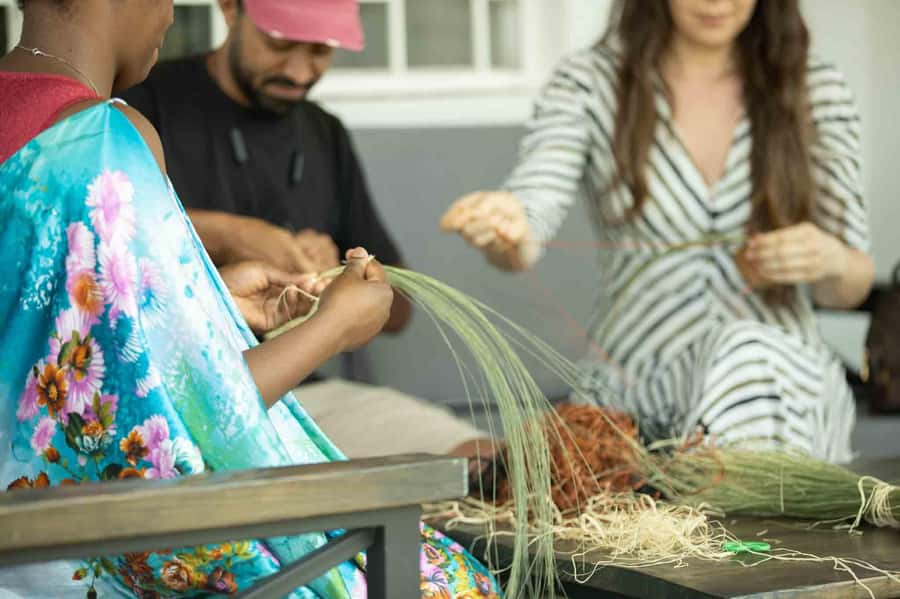
I would recommend it to anyone who prefers doing something with local people rather than simply looking at sights. It suits solo visitors, couples, families, and small groups. The hands-on format also gives a group of friends an easy shared task without requiring previous craft skill.
You will probably enjoy it most if you:
- Like learning by watching and trying.
- Want a compact handmade souvenir.
- Have an interest in Rwandan culture and local livelihoods.
- Appreciate patient teaching rather than a fast-paced tour.
- Have two open hours in Kigali.
- Are comfortable with a small and simple finished object.
It is also a good choice for a rainy-day change of pace, though the supplied information does not guarantee an indoor setup for every booking. Ask about the exact venue if weather is a concern.
The activity is not suitable for people with food allergies, according to the provided safety information. The reason is not explained, so you should contact the provider before booking if this affects you. Do not assume that a garden or coffee-shop setting removes the concern.
A few practical tips for a better session
Wear something comfortable and expect to use your hands. The work requires attention, but it is not described as physically demanding. You should be ready for a little trial and error, especially if this is your first weaving lesson.
Ask the instructor to show you how to hold the fibers before you begin a full row. A small correction at the start can save you from having to undo several loops. Do not worry if your first attempt looks uneven. The point is to learn the process, not to match the speed of a professional.
Bring questions. You can ask about the origin of the materials, the meaning of the pattern, the time needed for a larger basket, and how the skill is taught within families. These questions help turn a quiet craft session into a fuller cultural exchange.
If you want to take photographs, ask first. The workshop is personal and community-based, so basic courtesy matters. Photographing the finished piece is easy, but the people and their work deserve the same care you would offer in any home or studio.
Should you book the basket-weaving workshop?
I would book this if you want a calm, personal Kigali activity with a clear local benefit. Sandrine and the other artisans provide the kind of patient guidance that makes a beginner feel welcome, and the finished coaster, bowl, or small basket gives you a useful reminder of your time in Rwanda.
I would skip it if your main goal is a large, perfectly finished basket or a full-day cultural program. Two hours goes quickly, and the workshop may leave you wanting more time to hear stories or attempt a larger design.
For $30, the best reason to book is the combination of instruction, conversation, and direct support for local makers. Go expecting to learn, make a small object, and leave with a better understanding of the hands behind Rwanda’s baskets.
FAQ
How long does the basket-weaving activity last?
The workshop lasts two hours. It may run slightly over if you need extra time to finish a small piece, but the scheduled duration is two hours.
How much does the activity cost?
The price is $30 per person.
What will I make during the workshop?
Depending on your pace and the session, you may make a small basket, coaster, or bowl. The materials and tools are provided, and the finished item can be taken home.
Is the workshop offered in English?
Yes. Instruction is available in English and French. A translator may also help during the session when needed.
Is transportation included?
No. Transportation to and from the activity location is not included, so you need to arrange your own transport.
Can I cancel the booking?
Yes. You can cancel up to 24 hours in advance for a full refund. The activity also offers a reserve-now, pay-later option.
Just added around the world
- Keukenhof, Tulip Farm, Flower Fields & Windmills★ 5.0 · 4 reviews
- Magical Delft and the Keukenhof Estate: Tulips Galore★ 4.6 · 90 reviews
- Keukenhof Gardens and Tulip Experience Tour from Amsterdam★ 4.8 · 17 reviews
- Amsterdam: Private Keukenhof and Free Tulip Tour★ 5.0 · 21 reviews
- Keukenhof: Private Tulip & Windmill tour with cheese tasting★ 5.0 · 2 reviews
- Kennebunkport: A Garden Stroll★ 5.0 · 2 reviews
- Kennett Square: Longwood Gardens Admission Ticket★ 4.8 · 53 reviews
- From Amsterdam: Keukenhof and Zaanse Schans Small Group Tour★ 4.8 · 19 reviews
Garden Tours, compared.

Versailles Palace and Gardens Full Access Ticket
Read our review →
Keukenhof Entry & Shuttlebus with Flexible Return
Read our review →
Skip-the-Line Tour of Palace and Gardens Access
Read our review →

Schönbrunn Palace & Gardens Skip-the-Line Tour
Read our review →
Alhambra & Gardens Tour w/Nasrid Palaces Option
Read our review →
Skip-the-Line Schönbrunn Palace & Gardens Tour
Read our review →