
Review · CHIANG MAI GARDEN TOURS
From Chiang Mai: Temples, Sticky Waterfall, and Orchid Farm
Bua Tong Sticky Waterfall is the unusual star here. Its pale limestone surface gives your feet grip, so you can climb directly up the falls instead of merely taking photographs from the side. Add a quiet jungle temple, Doi Suthep’s golden pagoda, and an orchid farm, and you get a day that mixes culture, nature, and a bit of wet-footed fun.
I especially like Wat Pha Lat’s peaceful forest setting and the way the tour balances it with the grander Doi Suthep. I also like the practical inclusions: an air-conditioned vehicle, lunch, drinking water, entrance fees, and hotel pickup. The main consideration is the long, full schedule. Temple walking, road time, farm visits, and waterfall climbing can make this a tiring day, especially for young children or anyone who prefers a slow pace.
Key points at a glance
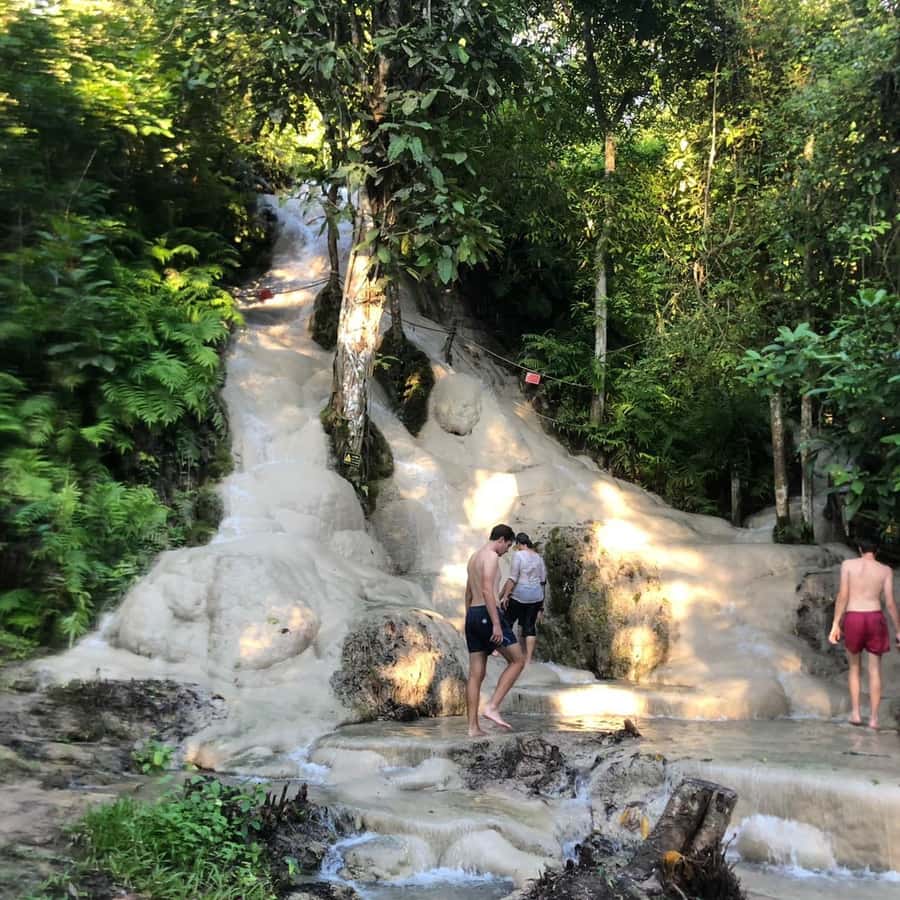
- Climb Bua Tong Sticky Waterfall: The limestone lets you walk up and down parts of the falls, with the option to stay dry and admire it from below.
- Start at Wat Pha Lat: This forest temple has Thai-Burmese details, statues, greenery, and a calm mood that feels very different from central Chiang Mai.
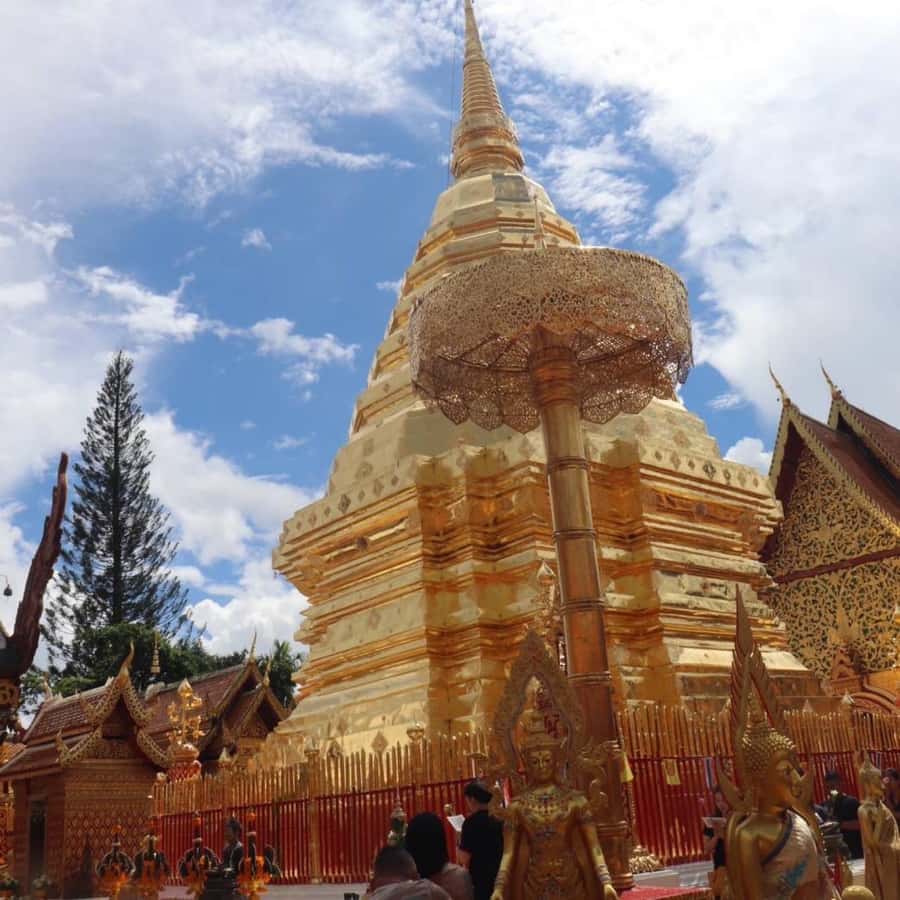
- See Doi Suthep’s Golden Pagoda: The temple complex offers broad views over Chiang Mai and a chance to learn about one of northern Thailand’s most important sacred sites.
- Stop at an orchid and butterfly farm: You can see cultivation areas, flowering orchids, and butterflies before lunch.
- Expect guide-led personal service: Guides named Austin, Katy, Bird, and Ray have been praised for clear English, temple knowledge, photography, and flexible pacing.
- Pack for both temples and water: Long pants, covered shoulders, swimwear, a towel, flip-flops, insect repellent, and spare clothes all have a purpose here.
Why this Chiang Mai day trip works
Many Chiang Mai day tours make you choose between temples and the outdoors. This one gives you both, and the contrast is the point. You begin in a forest shrine, move to a major pilgrimage temple, pause among orchids and butterflies, then finish at a waterfall where you can get active.
The tour lasts about seven to eight hours. That is enough time to see four very different places, but not enough for long, unhurried visits at each one. I would think of it as a well-packed introduction to the area outside central Chiang Mai rather than a leisurely retreat.
The strongest part is the mix of moods. Wat Pha Lat is quiet and shaded. Doi Suthep is more formal and visually grand. The farm is bright and easygoing. Bua Tong is playful and physical. You do not spend the whole day looking at one type of sight.
The tour is available as a private trip or a small-group outing. That matters here because the waterfall and temple visits benefit from some flexibility. On private departures, guides have adjusted the timing to suit the group and taken extra photographs. On a small-group departure, your time at each stop may follow the shared schedule more closely.
More Orchid Gardens in Thailand:
- Bangkok Floating Market & Boat Ride to an Orchid Farm
★ 4.6 · 34 reviews - Chiang Mai: Doi Suthep, Orchid Farm and Waterfall with Lunch
★ 4.7 · 4 reviews - Singapore: National Orchid Garden Entry Tickets
★ 4.7 · 453 reviews
Wat Pha Lat, a forest temple with a calm mood
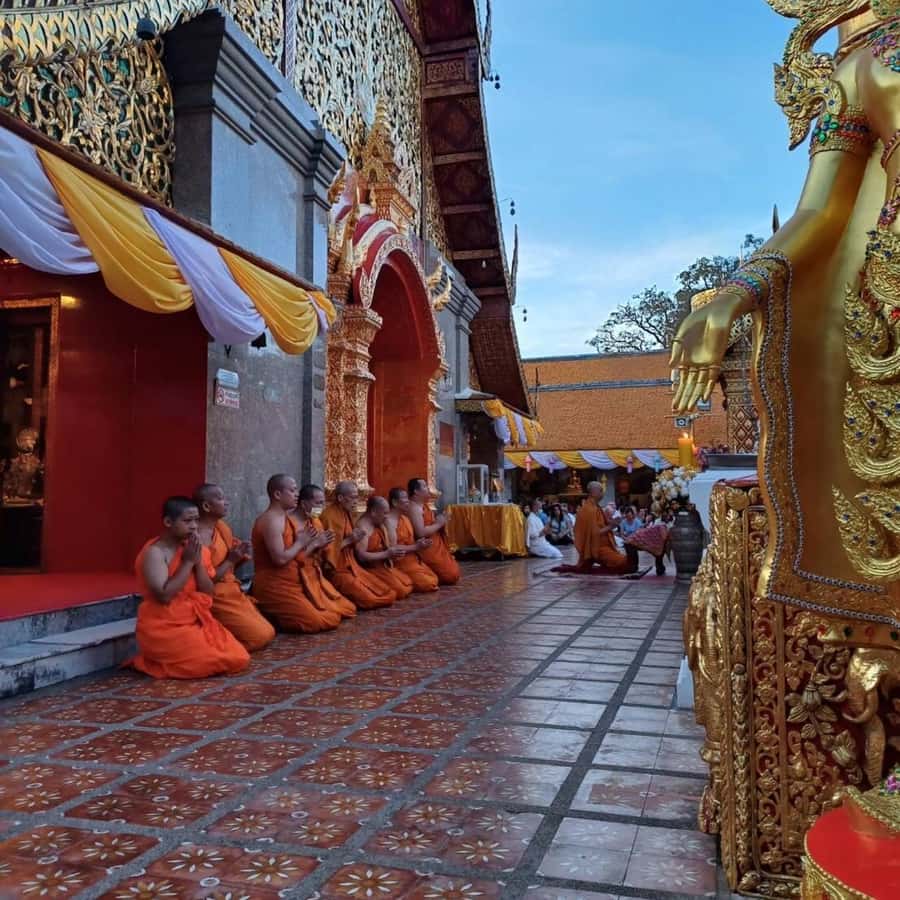
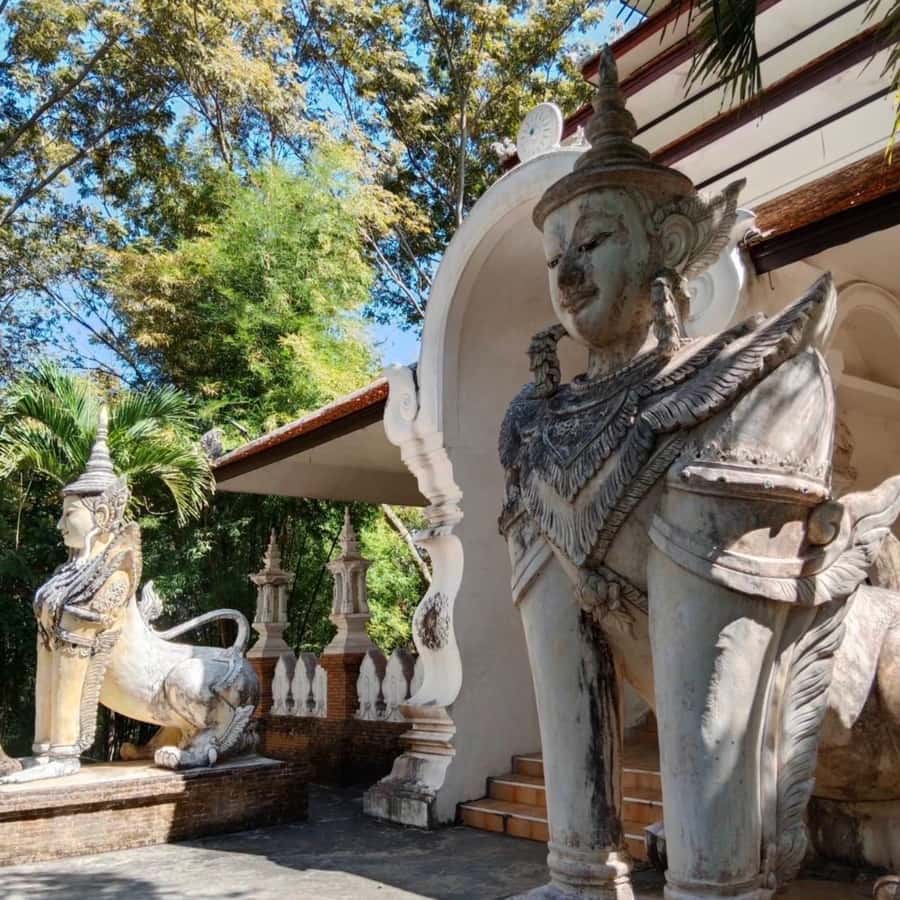
Wat Pha Lat is a smart first stop because it eases you into the day. Rather than opening with a large and crowded religious complex, the tour begins at a temple surrounded by jungle. The setting gives the visit a quieter feel, with paths, greenery, Buddhist figures, and Thai-Burmese architectural touches.
The temple is valued as much for its atmosphere as for its buildings. You can pause, look closely at the carvings and statues, and listen to your guide explain what you are seeing. Guides on this tour have shared details about Lanna culture, temple customs, and the meaning of the figures around the grounds.
I would allow yourself time to simply look around here. Wat Pha Lat is not a place to rush through for one photograph. The forest setting helps you notice how religious sites in northern Thailand can be tied closely to the natural surroundings.
There is one practical change to know about. Access to Wat Pha Lat is scheduled to be suspended from January 22 through January 24, 2026, for monastic meditation practice. During those dates, the tour will visit Wat Umong instead. That substitute is also a forest temple, but you should confirm the arrangement if your booking falls in this period.
Doi Suthep and the view over Chiang Mai
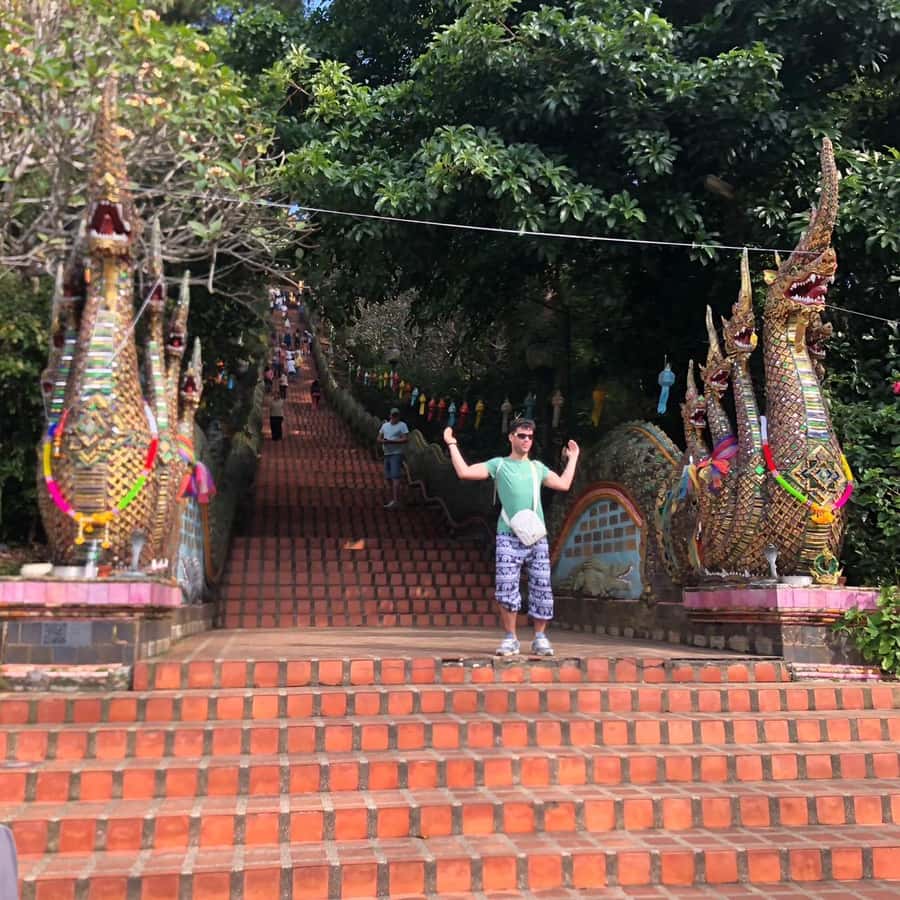
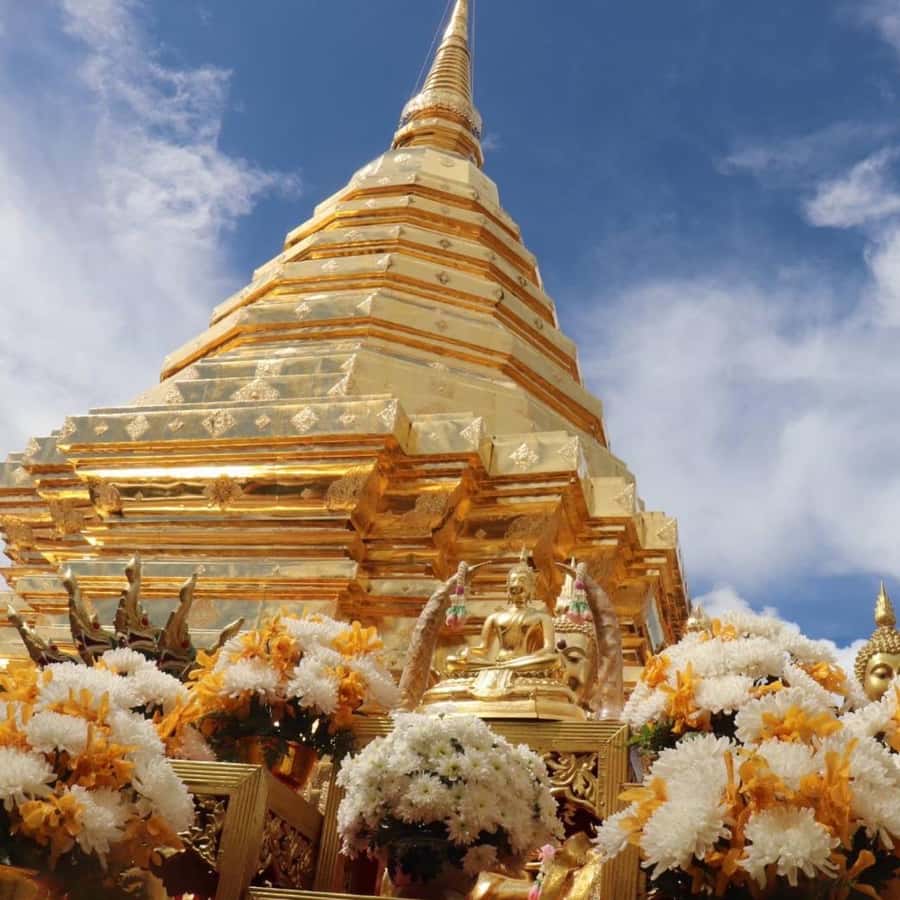
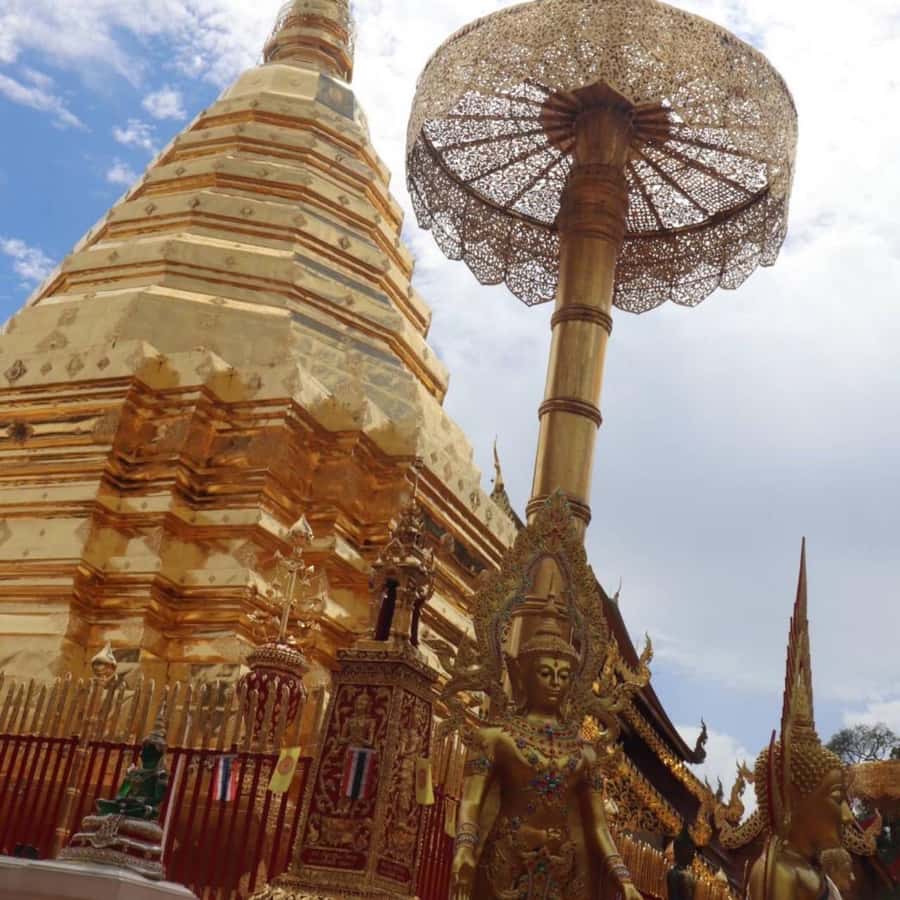
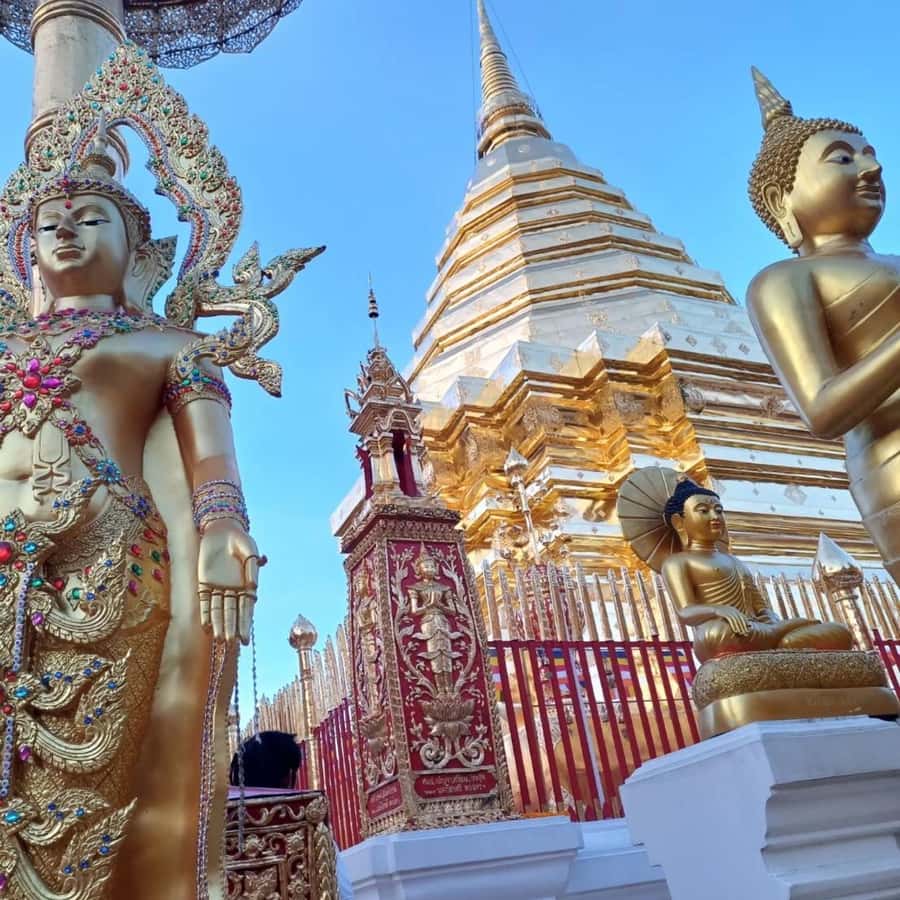
From the quiet forest temple, the day shifts to Wat Phra That Doi Suthep, one of northern Thailand’s major sacred sites. The complex is known for its Golden Pagoda, which dates to the 14th century and is said to enshrine part of the Buddha’s shoulder bone.
This is the stop where a guide makes a real difference. The site has religious details that are easy to miss if you only walk around taking pictures. A good explanation can help you understand the importance of the pagoda, the symbolism around the temple, and the connection between Doi Suthep and Chiang Mai.
The views are another reason to come. From the temple site, you can look out over Chiang Mai and the surrounding area. Visibility will affect how much you see, so do not treat the panorama as guaranteed. Even on a hazy day, the temple itself gives you plenty to examine.
Dress matters more here than at the waterfall. Your arms and legs must be covered during temple visits. Long pants are the safest choice, and bring a top that covers your shoulders. You can pack a change of clothes for later, but do not arrive dressed only for swimming.
Guides such as Austin, Katy, Bird, and Ray have received strong praise for their English and for explaining the temples without overwhelming people with facts. One guide had lived as a monk four times, which is the sort of personal background that can add useful context to a temple visit. The specific guide assigned to you is not guaranteed, but English-language guiding is included.
Orchids, butterflies, and a useful lunch stop
The orchid and butterfly farm changes the rhythm of the day. After the temples, you move into a more relaxed stop where you can see orchids, butterflies, and the work involved in cultivation.
This is not just a quick garden photo stop. The visit includes an explanation of how orchids and butterflies are raised and cared for. If you enjoy plants, close-up photography, or simple nature exhibits, you may find this more interesting than expected. The farm also gives children something to look at while adults take a break from temple information.
Lunch is included and is served during the farm stop or nearby as part of the midday break. The food has been described as a substantial buffet, while some private trips have included a local restaurant where the guide helped with ordering and encouraged the group to try several Thai dishes.
That variation is worth noting. The exact lunch format may depend on the day and the group arrangement. You should expect food to be included, but not assume a specific restaurant or menu. If you have dietary needs, raise them when booking or with the guide at pickup.
I like this stop because it prevents the day from becoming a string of monuments. You get a chance to sit down, eat, and look at something living and colorful before the final outdoor activity.
More Garden Tours in Thailand:
- Chiang Mai: Cooking Class, Market & Thai Herbs Garden Tour
★ 4.9 · 4,824 reviews - Pattaya: Nong Nooch Tropical Garden Ticket for Foreigners
★ 4.5 · 417 reviews - We Cook Thai Home Garden Cooking School
★ 4.9 · 378 reviews - Thai Cooking Class with Market & Garden Tour
★ 4.9 · 249 reviews
Bua Tong Sticky Waterfall, the day’s hands-on finish
Bua Tong Sticky Waterfall is the most distinctive stop. The water flows over limestone, and the rock surface provides enough grip for people to climb sections of the falls. You can walk up and down the waterfall with care, or remain beside it and enjoy the view.
The climbing is the reason to bring swimwear, a towel, flip-flops, and spare clothes. You may not get completely soaked, but water and spray are part of the setting. Insect repellent is useful too, since this is an outdoor stop.
The waterfall suits families with older children and anyone who likes a little action after a morning of sightseeing. One family with children aged 12 and 14 found that the climb could be repeated until the children were tired. You do not need to climb to enjoy the place, but the chance to walk on the waterfall makes it more than a standard viewpoint.
Take care with your footing. The fact that the limestone is grippy does not make the rocks risk-free, and wet surfaces still deserve attention. Wear shoes with a secure fit rather than loose footwear. The supplied packing advice lists flip-flops, but I would use the most stable option you have for the approach and change afterward if needed.
This is also where a helpful guide earns their place. Guides have assisted with the route and taken photographs, which can be useful when you are trying to climb while keeping your phone dry. If you are in a group, allow others room on the rock and follow any instructions given at the site.
Transport, timing, and group size
Pickup is available from hotels and accommodations in Chiang Mai city and within five kilometers of downtown. If you are staying farther away, an extra transport charge applies. Wait in your hotel lobby, and provide a WhatsApp number or Thai telephone number so the operator can contact you.
Transport is by air-conditioned vehicle. The vehicle has been praised for being clean and comfortable, and drinking water is included. That comfort matters because the tour connects several separate stops rather than keeping you in one district.
The full day runs for seven to eight hours, with starting times subject to availability. Pickup timing and the order of stops can affect the feel of the day. Some groups have started with the waterfall to beat crowds, while the stated plan begins with Wat Pha Lat. Ask your guide about the day’s order if avoiding heat or crowds is important to you.
Private travel gives you the most control. Guides have adjusted time at stops, answered many questions, and taken extra photos when the group was small. A small group can still offer good value, but you may have less say over how long you stay at the orchid farm or waterfall.
The transport score is especially strong, with all listed transport ratings receiving the top mark. That does not guarantee a particular vehicle, but it supports the view that comfortable road time is one of the tour’s reliable strengths.
What the $80 price covers
At $80 per person, this is not the cheapest way to visit one temple or a waterfall. The value comes from combining several separate outings in one day and removing many small decisions from your hands.
The price includes hotel pickup and return, an air-conditioned vehicle, an English-speaking guide, entrance fees, lunch, drinking water, and accident insurance. If you arranged those parts separately, transport alone could take time and require local planning. You also get a guide who can explain the temples and help with the waterfall.
For a private booking, the cost is easier to justify if you value flexible timing, personal questions, and photographs. For a small group, the price makes sense if you want a broad sample of Chiang Mai’s nearby sights without hiring separate transport.
Personal expenses are not included. The supplied information does not specify extra costs for food beyond lunch or for equipment, so keep a little cash available for anything you choose to buy. If you are outside the five-kilometer pickup area, ask about the added transport charge before paying.
Free cancellation is available up to 24 hours before the activity for a full refund, and you can reserve now and pay later. Those terms help if your Chiang Mai plans are still changing.
Who should book this day
I would recommend this tour to first-time visitors who want a broad taste of northern Thailand in one outing. It is also a good match for families with older children, couples who want temples plus nature, and people who prefer a guide rather than arranging several rides.
It suits you best if you enjoy variety and do not mind a full schedule. The waterfall is optional in terms of climbing, but the day still involves walking around temples and moving between sites. Bring medication if needed, along with a hat, long pants, covered clothing, insect repellent, water-friendly footwear, swimwear, a towel, and a dry change of clothes.
It may be less suitable if your priority is a quiet temple retreat or a slow photographic visit. Four main stops in seven to eight hours means you will get a useful taste of each place, not hours at one location.
The tour’s 4.8 rating from 52 reviews reflects the aspects that matter most here: dependable pickup, comfortable transport, clear English, flexible guides, strong temple explanations, a good lunch break, and the unusual waterfall climb. Austin, Katy, Bird, and Ray are among the guides praised for kindness, cultural explanations, patience, and photography. Your assigned guide may be different, but the service format is built around that kind of personal help.
Should you book it?
Book this tour if you want Chiang Mai’s best-known mountain temple paired with quieter culture, an easy farm visit, and a genuinely unusual waterfall. The day offers more variety than a temple-only trip, and the included transport, lunch, entrance fees, and guide make the $80 price reasonable.
I would choose the private option if you want to linger, ask lots of questions, or travel with young family members. Choose a small group if you want the same main sights at a lower overall cost and can accept a set pace. Pack properly, cover up for the temples, and save your most practical clothes for Bua Tong. If that combination sounds like your kind of day, this is a strong all-round outing from Chiang Mai.
FAQ
How long does the tour last?
The tour lasts approximately seven to eight hours, including pickup, visits to the temples, the orchid and butterfly farm, lunch, the waterfall, and return transport to Chiang Mai.
Is hotel pickup included?
Yes. Pickup and drop-off are included for hotels and accommodations in Chiang Mai city and within five kilometers of downtown. Accommodation farther than five kilometers from downtown may require an extra transportation charge.
What clothing is required at the temples?
Arms and legs must be covered during temple visits. Bring long pants and a top that covers your shoulders. You can change into swimwear later for the waterfall.
Can children join the tour?
Yes. Children aged one to three may join free, but they must share a seat with a parent or another adult. The waterfall is climbable, but you should decide how much activity is suitable for your child.
Is lunch included?
Yes. Lunch is included in the tour price. The midday meal may be a buffet at the orchid and butterfly farm or a local restaurant, depending on the arrangements for the day.
What happens if Wat Pha Lat is closed?
From January 22 through January 24, 2026, access to Wat Pha Lat is scheduled to be suspended for monastic meditation practice. During those dates, the tour will visit Wat Umong instead.
Just added around Thailand
- Chiang Mai: Doi Suthep, Orchid Farm and Waterfall with Lunch★ 4.7 · 4 reviews
- Bangkok: Nong Nooch Garden★ 5.0 · 3 reviews
- Bangkok:4Hour Flower Market and Little India Tour Mini Group★ 4.3 · 14 reviews
- Bangkok Floating Market & Boat Ride to an Orchid Farm★ 4.6 · 34 reviews
- Bangkok Wat Pho and Flower Market Historical Walking Tour★ 5.0 · 28 reviews
- Flower Market & Floral Art: Multilingual Private Tour [EN/others]★ 4.5 · 33 reviews
- Cooking Evening Class Chiang Mai Visit Organic Garden and Market★ 5.0 · 187 reviews
- Cooking Morning Class Chiang Mai Visit Organic Garden and Market★ 5.0 · 211 reviews
Chiang Mai Garden Tours, compared.
Cooking Class, Market & Thai Herbs Garden Tour
Read our review →

Cooking Morning Class Chiang Mai Visit Organic Garden and Market
Read our review →
Cooking Evening Class Chiang Mai Visit Organic Garden and Market
Read our review →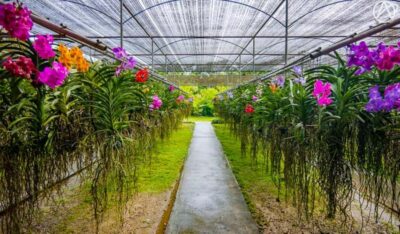
Browse the lists this tour appears in