

Review · GERMANY GARDEN TOURS
Stuttgart: Wilhelma Zoological-Botanical Garden Ticket
Wilhelma is not simply a zoo with a few flowerbeds added on. It is a zoological-botanical garden set among 19th-century Moorish buildings, subtropical terraces, greenhouses, and animal habitats from every continent. The combination gives your day more variety than a standard zoo visit.
I especially like the Moorish Garden, where architecture and planting make even the walk between exhibits worth your time. I also like the unusual Australian collection: koalas are kept in only four German zoos, and Stuttgart is the only place in Europe where you can see quokkas. The main drawback is time. A quick afternoon visit can leave the botanical areas and aquarium unexplored, so plan on three to four hours at the very least, and a full day if you want the complete visit.
Key points
- One ticket covers two experiences: Explore animal habitats and botanical gardens within the same historic park.
- Terra Australis is a major highlight: See koalas, quokkas, and other Australian animals in a modern themed area.
- More than 11,000 animals live here: The collection includes about 1,200 species from all continents.
- Moorish architecture adds character: Historic buildings, gardens, and greenhouses make the setting part of the attraction.
- Spring is especially attractive: Seasonal flowers and flowering displays give the gardens extra color.
- Your ticket supports conservation: A €1 Conservation Euro is included in most adult and other ticket types.
Why Wilhelma feels different from an ordinary zoo
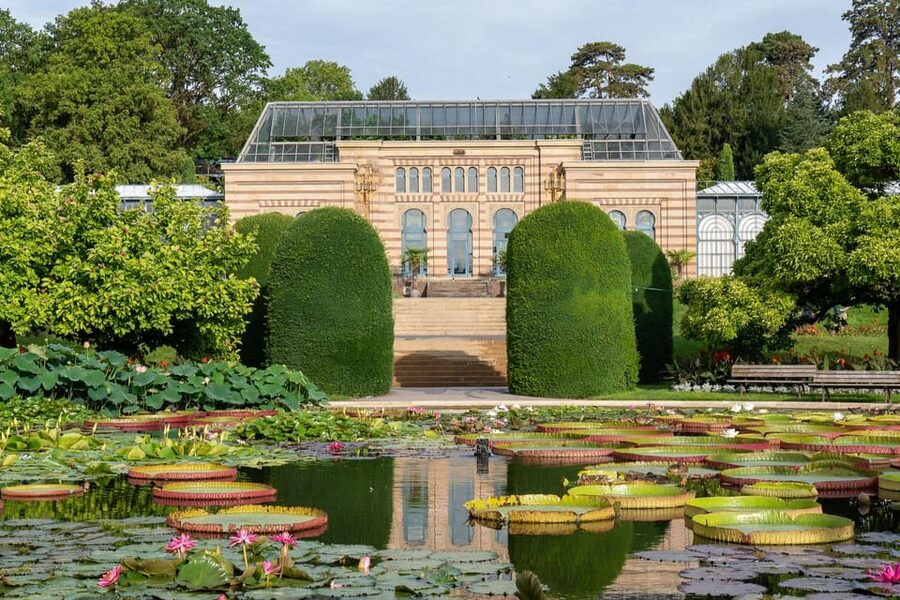
The first thing you notice at Wilhelma is the mixture of old and new. You move through a 19th-century park with Moorish-style buildings, courtyards, pools, and formal gardens, then arrive at modern animal enclosures designed around specific regions.
That variety matters. At many zoos, the animal exhibits are the whole story. Here, the setting gives you a second reason to slow down. The route between the giraffes and the apes may lead past palms, orchids, or an ornate historic structure rather than another stretch of pavement.
Wilhelma is Germany’s only zoological-botanical garden of its kind. Its role goes beyond display. The institution works in conservation, education, and scientific research, and the ticket includes a €1 Conservation Euro for most ticket types except Kids and Youth tickets. That money supports wildlife conservation projects and habitat protection around the world.
I would not treat this as a quick stop between other Stuttgart sights. The sheer number of animals and plants makes it better suited to a planned half-day or full-day visit. The published admission price is $26 per person, which is fair if you use the entire day and visit both sides of Wilhelma. It is less attractive value if you arrive late and see only a handful of animal exhibits.
More Botanical Gardens in the world:
- Osaka: teamLab Botanical Garden Entry Ticket
★ 4.5 · 1,710 reviews - Blanes: Marimurtra Botanical Garden Entry Ticket
★ 4.7 · 998 reviews - Malta: Mdina, Dingli Cliffs and San Anton Botanical Gardens
★ 4.3 · 991 reviews
Starting with the Moorish Garden and historic buildings

Begin with the Moorish Garden if you want to understand what makes Wilhelma special. The design reflects the park’s 19th-century origins, with decorative architecture and carefully arranged planting creating a more theatrical entrance than you get at a typical modern zoo.
This is also a good place to set your pace. Take a few minutes to look around before chasing the animal exhibits. The gardens are not simply decoration around the paths. They frame the buildings, create shaded pauses, and provide some of the most memorable views inside the grounds.
The historic setting can also affect how you plan your route. You are not moving through one simple loop with every enclosure laid out in a straight line. A routed map is available, and it can help you see the main attractions in a sensible order. I would use it from the beginning, especially if you arrive with children or have only a few hours.
The formal gardens are especially appealing in spring, when flowers add a seasonal display to the grounds. If plants interest you as much as animals, spring is a particularly good time to visit, though the greenhouses and subtropical areas provide interest throughout the year.
Meeting animals from every continent
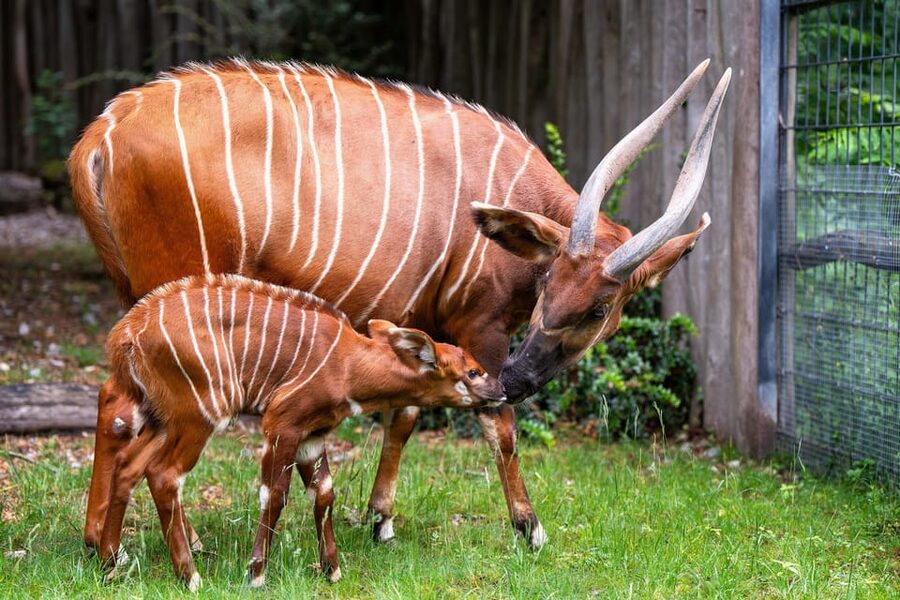
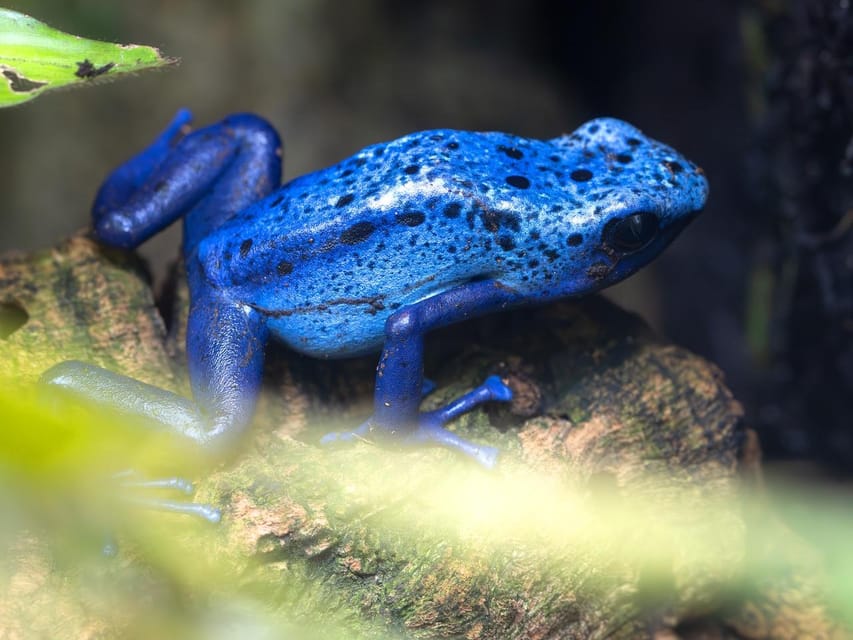
Wilhelma houses more than 11,000 animals representing about 1,200 species. That is a large collection, but the useful point for you is variety. You can move from African animals to Australian species, then on to primates, birds, reptiles, and other creatures without leaving the same park.
The habitats are arranged around regional or ecological themes. That helps connect each animal to its natural setting instead of presenting one unrelated enclosure after another. You can also use the educational displays to learn about ecosystems and conservation work, which gives families more to do than simply look through glass or fencing.
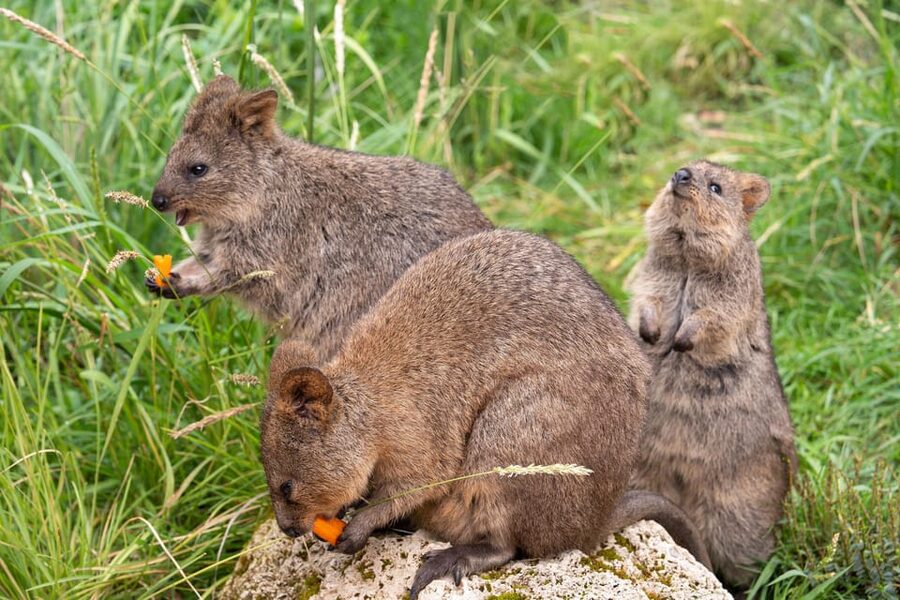
African giraffes are among the familiar favorites, while the Australian section offers something much less common. The park’s collection includes koalas, which are kept in only four German zoos, including Wilhelma. Even more unusual are the quokkas. Stuttgart is the only place in Europe where these animals are kept, making Terra Australis one of the strongest reasons to choose Wilhelma over a standard city zoo.
You should still keep expectations sensible. Animal activity can vary, and no zoo can promise that every creature will be visible at every moment. The attraction is the range of habitats and species, not a guaranteed close-up encounter with every animal.
Terra Australis and the animals from Down Under

Terra Australis is one of Europe’s most modern facilities for Australian wildlife. It focuses on animals from down under and includes naturalistic spaces for both familiar and less familiar species.
Koalas are the headline attraction for many people, but the quokkas give the section its rare quality. Because Stuttgart is the only European zoo with quokkas, this is not just another version of an Australian exhibit you might find elsewhere.
The area also includes nocturnal species. That gives the experience a different rhythm from open, sunlit enclosures. You may need to spend more time looking carefully and reading the displays rather than expecting every animal to be immediately obvious.
For families, Terra Australis can turn a simple zoo trip into a useful lesson about how animals adapt to their environments. For adults, it offers a stronger reason to visit than the usual list of large, familiar animals. I would place this area high on your route, particularly if Australian wildlife is a priority.
Entry tickets around the world:
- Paris: Versailles Palace and Gardens Full Access Ticket
★ 4.6 · 41,579 reviews - Marrakesh: Majorelle Garden Entry Tickets
★ 4.5 · 9,651 reviews - Florence: Reserved Entry Ticket to the Boboli Gardens
★ 4.4 · 5,275 reviews - From Amsterdam: Keukenhof Ticket with Transfer
★ 4.4 · 4,089 reviews
Tropical plants inside the Historical Greenhouse Row

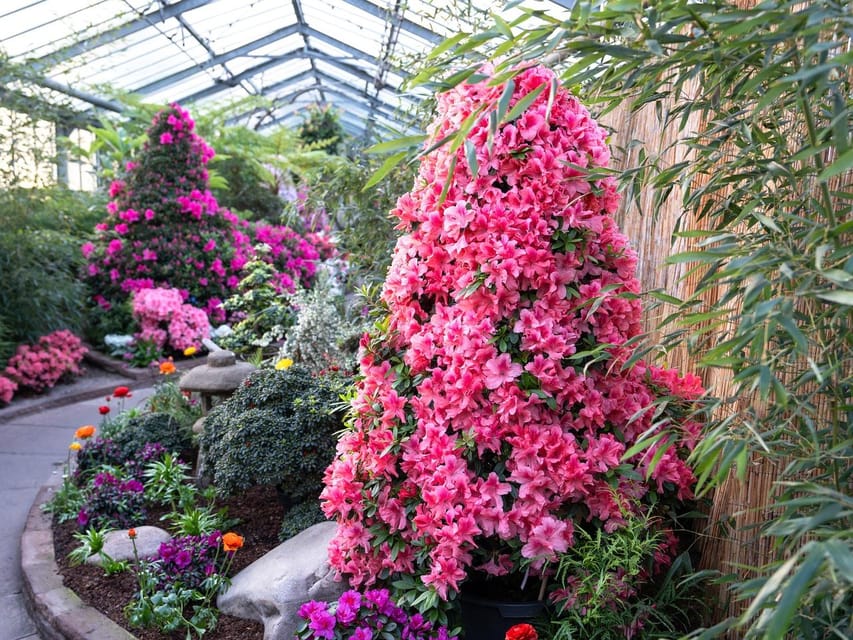
Wilhelma’s botanical side deserves equal billing. The Historical Greenhouse Row holds exotic orchids, tall palms, and other plants from warm regions around the world. These greenhouses provide a welcome change from outdoor animal areas and give your visit something to enjoy in less favorable weather.
The displays are also useful for understanding how plants from different climates grow. Subtropical terraces and greenhouse spaces bring together species that could not survive outdoors in Stuttgart year-round. The result is not just a collection of attractive plants, but a look at how botanical gardens protect and present plants from distant regions.
Orchids and palms are likely to draw the most attention, but seasonal displays change the feel of the area. In spring, flowers throughout Wilhelma add extra color to the gardens. If you are visiting during another season, the indoor plant areas remain a reliable part of the day because they do not depend as heavily on the weather.
Give the greenhouses enough time. One common mistake is to hurry past them in search of the larger animals. That can leave you with only half of what makes Wilhelma unusual.
Amazonia and Mountain Worlds
Later in the day, make time for the themed areas known as Amazonia and Mountain Worlds. Each presents plants and animals connected with a particular region, helping you compare how wildlife lives in very different climates.
Amazonia focuses on tropical environments, where plant life is a major part of the experience. The humid setting and dense planting create a clear contrast with the more open outdoor spaces. It is a useful stop if you want to see how Wilhelma connects animal exhibits with plant collections rather than treating them as separate attractions.
Mountain Worlds offers a different setting and another regional group of animals and plants. The point is not only the number of species, but the way each area gives you a sense of place. These themed zones make the visit easier to understand for children, while adults may appreciate the conservation message behind them.
I would save these areas for a route that lets you move steadily rather than rushing in and out. With more than 11,000 animals across the grounds, it is easy to spend longer than planned at an earlier exhibit.
How long you need at Wilhelma
A realistic minimum is three to four hours. That gives you time for several major animal areas, some botanical displays, and a look at the historic setting.
A full day is better if you are visiting with family, want to use the routed map, or care equally about the gardens and animals. One afternoon is not enough for everyone. If you arrive later in the day, you may have to choose between the botanical garden, aquarium, and animal areas rather than seeing everything.
I would plan the visit around your interests:
- If animals are your priority, start with Terra Australis and the larger themed habitats.
- If plants and architecture matter most, begin at the Moorish Garden and greenhouse row.
- If you have children, use the map and interactive educational displays to break the day into shorter sections.
- If you want the full Wilhelma experience, arrive early enough to allow several hours without rushing.
The one-day ticket gives you flexibility within that day, but it does not solve the problem of a late arrival. The grounds offer too much variety for a rushed stop.
What the ticket includes and what it does not
The $26 admission covers entry to Wilhelma, all animal exhibits, and the botanical gardens. You do not need to pay separately for the main zoo and plant areas.
Food and drinks are not included, and neither are souvenirs or a private guide. The experience is self-guided, so you should expect to read the displays and follow the routed map at your own pace. Interactive exhibits and educational programs help fill that gap, particularly for families who want more context about conservation and ecosystems.
The conservation contribution adds a small practical benefit to the ticket. One euro from most ticket types goes directly toward wildlife projects and protection for endangered species and their habitats. It will not transform the price calculation, but it gives the admission a useful purpose beyond access to the grounds.
Free cancellation is available up to 24 hours before the visit, and you can reserve now and pay later. Wheelchair access is available. Pets are not allowed, although assistance dogs are permitted. Visitors with disabilities receive free admission with valid identification.
Who will enjoy Wilhelma most
Wilhelma suits families especially well because the day can mix animals, plants, architecture, and interactive learning. Children who lose interest in one type of exhibit have plenty of other subjects nearby.
It also works for adults who want a quieter alternative to a purely animal-focused attraction. The greenhouses, Moorish structures, and seasonal gardens give plant lovers and photographers a reason to linger. Private photography is welcome, although commercial photography requires permission.
The park is a strong choice for anyone interested in rare animals. The quokkas alone make it unusual on a European trip, while the koalas add another reason to make Terra Australis a priority.
It may not suit you if you want a short, tightly timed attraction with a single main sight. Wilhelma spreads its appeal across many areas, and that is precisely why it needs time. You will get more from it if you enjoy wandering, stopping often, and changing focus during the day.
Practical advice for a better visit
Wear comfortable shoes. Even without knowing the exact route you will take, a garden and zoo of this size calls for plenty of walking and standing.
Use the map rather than relying on chance. The suggested route helps you see the main attractions in order and reduces the risk of missing the botanical areas at the end of the day.
Do not touch or feed the animals, and do not damage plants, buildings, or facilities. Bicycles, skateboards, and similar vehicles are not allowed, so plan on exploring on foot.
Bring patience for the animal areas. The best part of Wilhelma is not racing from enclosure to enclosure, but noticing the links between each animal, its habitat, and the botanical setting around it.
Should you book the Wilhelma ticket?
Book it if you can give Wilhelma at least three or four hours, and preferably most of a day. The price offers good value when you visit both the zoo and botanical gardens, especially if you are interested in rare Australian animals, orchids, palms, or historic architecture.
I would skip it only if your Stuttgart schedule allows for a very short stop. In that case, you may see animals but miss the greenhouse row, seasonal gardens, or aquarium. For everyone else, Wilhelma offers a distinctive mix that is hard to find in one place: Moorish buildings, plants from warm climates, themed habitats, and rare wildlife, all under one admission ticket.
FAQ
How much does the Wilhelma ticket cost?
The listed price is $26 per person. It includes entry to Wilhelma, the animal exhibits, and the botanical gardens.
How long is the ticket valid?
The ticket is valid for one day. You should allow at least three to four hours, while a full day is better if you want to see the animal and botanical areas in detail.
Does the ticket include the botanical gardens?
Yes. Access to the botanical gardens is included, along with access to all animal exhibits.
Is Wilhelma wheelchair accessible?
Yes, Wilhelma is wheelchair accessible. Visitors with disabilities receive free admission with valid identification.
Are pets allowed inside Wilhelma?
No. Pets are not allowed, but assistance dogs are permitted.
Can I cancel the booking?
Yes. You can cancel up to 24 hours in advance for a full refund. You can also reserve now and pay later.
Just added around the world
- Hillsborough Castle Gardens Entrance Ticket★ 4.7 · 47 reviews
- Himeji: Himeji Castle & Kokoen Garden 3.5-Hour Guided Tour★ 4.9 · 30 reviews
- Hantan Canyon & Goseokjeong Flower Garden & Pink Muhly Park★ 5.0 · 4 reviews
- Hillegom: Tulip Barn Entry Ticket★ 4.6 · 81 reviews
- Heidelberg: Heidelberg Castle Garden & Outside Private Tour★ 4.9 · 18 reviews
- Versailles: Skip-the-Line Versailles Palace and Gardens Tour★ 4.7 · 110 reviews
- Hanover: Royal Gardens of Herrenhausen Guided Tour★ 4.6 · 78 reviews
- Hatta Safari & Honey Bee Garden Visit★ 4.8 · 52 reviews
Germany Garden Tours, compared.

Hanover: Royal Gardens of Herrenhausen Guided Tour
Read our review →

Heidelberg: Heidelberg Castle Garden & Outside Private Tour
Read our review →
Charlottenburg Palace & Gardens Ticket & Audio Tour
Read our review →
Dresden: ‘The Wonder Forest’ mobile scavenger hunt through the big garden
Read our review →Browse the lists this tour appears in