
Review · FLORENCE GARDEN TOURS
Pitti Palace and Boboli Gardens Private Tour
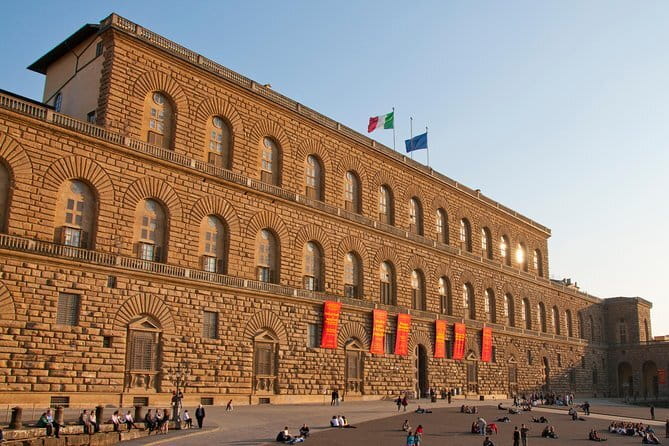
Pitti Palace gives you two very different Florence experiences in one visit: grand indoor rooms filled with Medici art, followed by open-air gardens with fountains, statues, and grottoes. The palace was home to the ruling families of Tuscany, so you are walking through rooms built for power, display, and plenty of theatrical flair.
I like the private format, since your guide can set the pace and spend more time on the art that catches your eye. I also like the range of the visit: Raphael and Titian in the Palatine Gallery, royal treasures, historic clothing, and the Boboli Gardens all fit into one three-hour outing.
The main drawback is speed. The palace complex contains several museums, and three hours is enough for a strong overview, not a slow look at every room. The $260 per-person price also makes the tour best suited to travelers who value personal guiding and skip-the-line entry.
Key details at a glance
- Renaissance art in the Palatine Gallery: See works by Raphael and Titian in the former Medici residence.
- Five-part visit in three hours: The plan covers the Palatine Gallery, Treasury of the Grand Dukes, Costume Gallery, Pitti Palace, and Boboli Gardens.
- A private guide for your group: You can expect a more personal pace than on a large group tour.
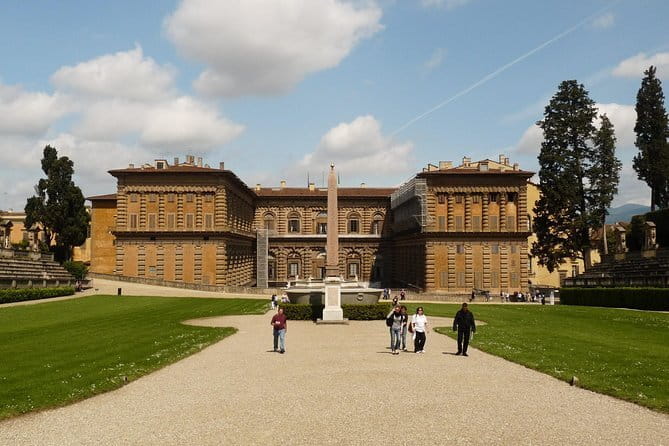
- Boboli’s theatrical garden design: Look for the Roman-style amphitheater, the Fountain of Neptune, statues, grottoes, and water features.
- Several guide languages: English, Italian, Spanish, French, German, and Portuguese are available.
- A central Oltrarno meeting point: Meet in front of Palazzo Pitti Museum at Piazza Pitti. Hotel pickup is not included.
Why Pitti Palace makes a strong Florence stop

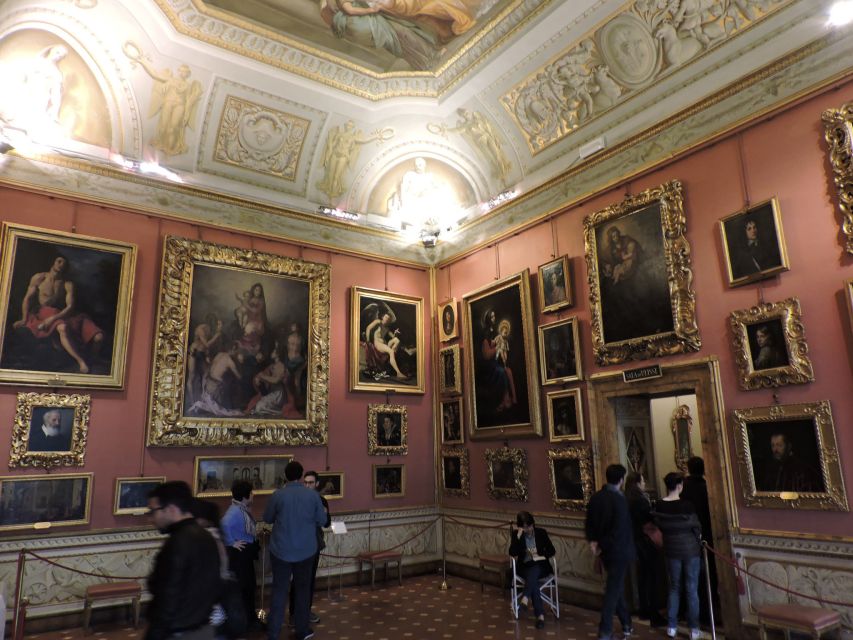
Many Florence visitors focus on the Uffizi and Accademia, then miss the palace across the Arno. Pitti Palace gives you a different view of the city. Instead of seeing art in a purpose-built museum alone, you see it in a former court setting, where paintings, furniture, clothing, and objects once supported the life of rulers.
The palace became a residence of the Medici family and later served other ruling families of the Grand Duchy of Tuscany. That background matters because the building was not just a private home. It was a place for ceremony, political display, collecting, and daily court life.
I find the mix especially useful for first-time visitors who want more than one kind of Florence sight. You get major Renaissance paintings, decorative objects, court clothing, and a large garden with sculpture. The experience feels broad without requiring a second museum booking.
The private format adds value here. Pitti Palace can feel like a lot to absorb, with different collections spread through a large complex. A good guide can explain what deserves your attention and keep the three-hour visit from turning into a march through rooms.
More Palace and Castle Gardens in Florence
- Florence: Pitti Palace and Boboli Gardens Ticket & eBook
★ 4.5 · 835 reviews - Florence: Pitti Palace, Boboli Garden, Palatine Gallery Tour
★ 4.9 · 558 reviews - Pitti Palace, Boboli Garden & Palatina Gallery Guided Tour
★ 5.0 · 264 reviews
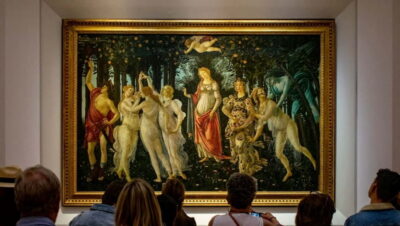
Starting in the Palatine Gallery with Raphael and Titian
The tour begins at the Galleria Palatina, or Palatine Gallery. You spend about 30 minutes with a guide in this collection, which contains major works by Raphael and Titian.
The gallery is a natural starting point because it introduces the artistic ambition of the palace. These are not anonymous decorations added to a modern museum. The paintings belong to a setting shaped by dynastic taste and court life.
Give your guide room to explain how the paintings relate to the palace and the people who collected them. With a private visit, you can ask about a particular artist, subject, or room rather than waiting for a large group to move on.
Thirty minutes is enough to identify key works and understand the gallery’s role, but it is not enough for an exhaustive art study. If Raphael or Titian is your main reason for coming, tell the guide early. The schedule includes several other sections, so your priorities will help shape the visit.
The Palatine Gallery may appeal most to you if you enjoy art but do not want a full morning in a major museum. It gives you access to celebrated names while keeping the focus on the palace as a whole.
Looking at Medici possessions in the Treasury of the Grand Dukes

Next comes the Treasury of the Grand Dukes, with around 30 minutes of guided time. This section shifts attention from large paintings to objects connected with the ruling families of Tuscany.
The word treasury suggests the point of the collection: wealth was shown through valuable belongings, decorative pieces, and objects suited to court life. You are not simply looking at isolated antiques. You are seeing the material side of Medici power.
This part works well after the Palatine Gallery because it changes your idea of what a royal collection can be. Paintings show taste and patronage. Treasury objects show the expense and ceremony surrounding that taste.
Your guide can also help you avoid treating the collection as a blur of gold, glass, and decoration. Ask what belonged to the Medici and how objects were used or displayed if that question interests you. The private setting gives you a better chance to pause for context.
Again, the half-hour limit is useful for a general visit but short for close study. If you collect decorative arts or want detailed information about individual objects, you may wish for more time than this tour allows.
The Costume Gallery and the palace as a lived-in place
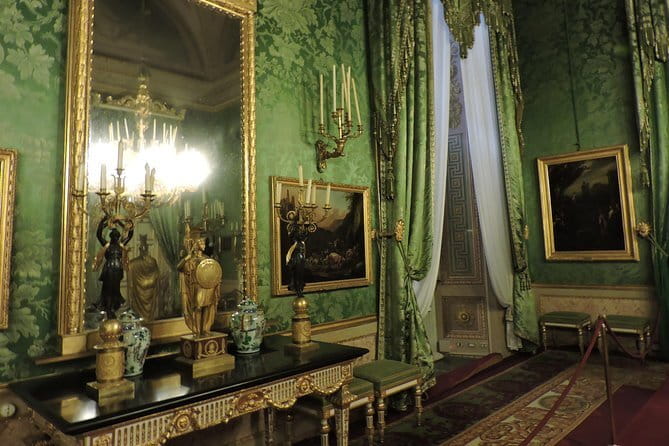
The Costume Gallery receives another 30-minute guided visit. This is one of the more unusual parts of the tour because clothing brings court life closer to the body.
Paintings can show you how rulers wanted to be seen. Costumes show the fabric, shape, and style of that public image in a more direct way. They help connect the grand rooms with the people who occupied them.
The Costume Gallery also breaks up the art-heavy sections. If your group includes someone who is less interested in painting, this stop offers a different way into the palace. Clothing can make the past feel more practical and personal without needing a long lecture.
The details supplied for this tour do not identify specific garments or designers, so you should expect a general guided introduction rather than a guaranteed focus on one famous outfit. Still, it earns its place in the route because it broadens the visit beyond paintings and architecture.
More Palace and Castle Gardens in Italy
- Florence: Pitti Palace and Boboli Gardens Walking Tour
★ 4.6 · 182 reviews - Florence: Museum Pass–David, Uffizi, Pitti Palace & Gardens
★ 4.2 · 134 reviews - Timed Entry Ticket to Pitti Palace and Boboli Gardens in Florence
★ 3.5 · 118 reviews - Florence: Boboli Gardens Guided Tour
★ 4.5 · 69 reviews
Understanding Pitti Palace beyond individual collections

The wider Pitti Palace visit takes another 30 minutes. This portion helps tie the separate collections together and gives you a sense of the palace as a former residence of Tuscany’s ruling families.
The palace is important because it connects art with government and status. The Medici family and later rulers did not collect paintings, treasures, and clothing at random. These things helped shape the public image of the court.
I like having a dedicated palace segment in the schedule instead of rushing straight from one museum room to the next. It gives your guide a chance to explain the building and its role, not just identify objects.
At the same time, the itinerary lists both the Palatine Gallery and Pitti Palace as separate 30-minute visits. That means the exact balance between individual rooms, collections, and palace context may depend on the guide and the day’s flow. If you want a certain wing or type of art, ask about it at the beginning.
This is where the guide’s personality matters most. Christina is described as warm, informed, and willing to match the group’s pace. Alessio is praised for his enthusiasm and detailed explanations. Anna Maria is noted for presenting information in a charming and engaged way. Those comments point to the most important variable in a private tour: not only what you see, but how clearly the story is told.
Walking through Boboli Gardens for the final hour
The final hour takes you outdoors into the Boboli Gardens. This is the longest part of the tour, with guided walking and sightseeing among statues, grottoes, fountains, and other garden features.
Boboli is not a simple flower garden. Its design includes formal spaces, sculpture, water, and architectural features meant to create movement and surprise. The Roman-style amphitheater and Fountain of Neptune are among the named highlights.
The garden gives your eyes a break after the palace interiors. You can walk, look across the formal spaces, and see how the ruling families extended their taste beyond the walls of the residence. Sculptures dating from the 16th through the 18th centuries add a long span of artistic work to the visit.
You should expect walking on this part of the tour. Wear comfortable shoes and bring your passport or ID card, which is required for the activity. Pets and smoking are not allowed.
The garden hour is a good length for a first look, but Boboli is large enough that you will not see every corner in detail. That is not a flaw so much as a planning point. If you want an unhurried garden visit, consider returning on your own only if your schedule allows, since this tour provides an introduction rather than total coverage.
The outdoor section can also make the tour feel less formal. Inside, you are studying paintings and court objects. Outside, you are following paths, looking at fountains, and noticing how the garden frames the palace.
What the private format adds at $260 per person

At $260 per person, this is a serious purchase. You are paying for entrance tickets, a private guide, skip-the-ticket-line access, and a three-hour route through several major sections of Pitti Palace and Boboli Gardens.
The value is strongest for a small group that wants personal attention. A private guide can explain Raphael to an art lover, focus on costumes for someone interested in fashion, or keep the pace gentle for a group that prefers conversation over a rapid checklist.
The price is harder to justify if you mainly want entry to the palace and gardens. Independent admission would be the more budget-conscious approach, though the supplied information does not provide a separate admission price for comparison. The tour’s advantage is guidance and organization, not simply access.
I would also compare the cost with the size of your group. Since the price is listed per person, a couple pays considerably more than a larger private party. For a family or group of friends, the personal format may feel more worthwhile because you share one guide and can ask questions freely.
The 4.7 rating from 38 bookings supports the idea that the guide quality is a major part of the value. The most consistent praise centers on relaxed pacing, clear explanations, and guides who care about the subject. That is useful information, but it does not remove the need to decide how much personal attention is worth to you.
Timing, meeting point, and practical planning
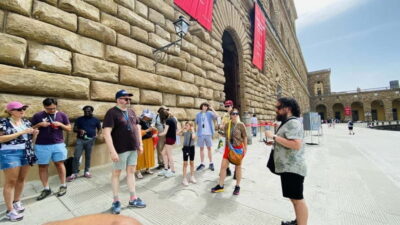
The tour lasts three hours, and starting times depend on availability. You meet in front of the Palazzo Pitti Museum at Piazza Pitti, in Florence’s Oltrarno district.
Hotel pickup and drop-off are not included, so you need to reach the meeting point yourself. Build in enough time to find Piazza Pitti and locate the guide before the scheduled start.
The tour is offered in English, Italian, Spanish, French, German, and Portuguese. Select the language that will make the art and palace stories easiest for your group to follow.
Bring a passport or ID card. Pets and smoking are not permitted. Entrance tickets and the private guide are included, while transportation from your hotel is not.
The booking terms are fairly flexible. You can reserve now and pay later, and cancellation up to 24 hours in advance brings a full refund. Check the available start times before committing, since the best slot may matter if you are also planning another Florence museum that day.
Which kind of Florence visitor will enjoy this most
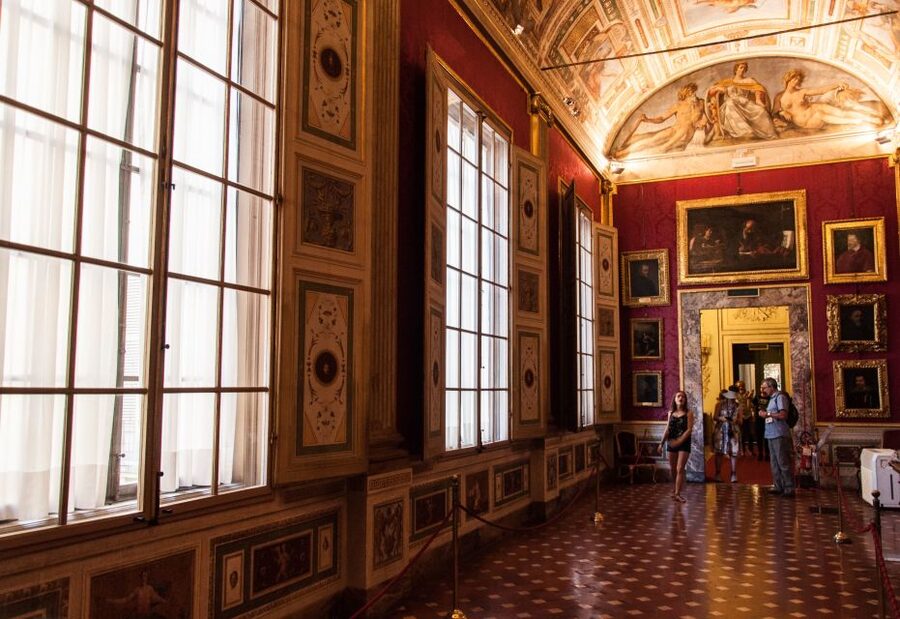
I would choose this tour if you want a guide to connect art, royal life, and garden design in one visit. It suits first-time Florence visitors who want a major cultural stop without spending an entire day inside a museum.
It is also a good choice for families or mixed-interest groups. The route changes pace several times, moving from famous paintings to treasures, costumes, palace rooms, and an outdoor garden. That variety gives each person something to follow.
Art-focused visitors should know what they are buying. You will see Raphael and Titian, but the schedule does not devote three hours to the Palatine Gallery. Likewise, garden lovers get a guided hour, not a full-day exploration of Boboli.
I would be more cautious if your budget is tight or if you prefer to wander without a set route. The price pays for private help and a skip-the-line visit. If those features do not matter to you, the cost may feel high.
Should you book the Pitti Palace and Boboli Gardens tour?
Book it if you want a well-paced private introduction to one of Florence’s major palace complexes, especially if your group values questions, personal attention, and a guide who can adjust the tone. The strongest guide feedback names Anna Maria, Christina, and Alessio for warmth, enthusiasm, and clear explanations, though your assigned guide may differ.
Skip it if you want a long, specialist study of Renaissance painting or an unhurried day in Boboli Gardens. Three hours gives you a useful sweep of the complex, but the route asks you to keep moving.
For most visitors, the tour makes the best sense when Pitti Palace is high on your Florence list and you do not want to manage several museum sections alone. The private format, included admission, and direct route make the cost easier to defend for small groups that want context rather than just a ticket.
FAQ
How long does the Pitti Palace and Boboli Gardens tour last?
The tour lasts three hours.
Where does the tour meet?
You meet in front of the Palazzo Pitti Museum at Piazza Pitti in Florence.
Is hotel pickup included?
No. Hotel pickup and drop-off are not included.
Is the tour private?
Yes. The activity is arranged for a private group.
Which languages are available?
The guide languages are English, Italian, Spanish, French, German, and Portuguese.
What does the price include?
The $260 per-person price includes entrance tickets and a private guide.
Do I need to bring identification?
Yes. You should bring a passport or ID card.
Are pets and smoking allowed?
No. Pets and smoking are not allowed.
Can I cancel for a refund?
Yes. You can cancel up to 24 hours in advance for a full refund. You can also reserve now and pay later.
Just added around Florence
- Timed Entry Ticket to the Boboli Gardens★ 3.5 · 50 reviews
- Pitti Palace and Boboli Gardens Private Tour★ 4.5 · 38 reviews
- Market Tour & Traditional Tuscan cooking class in a garden★ 5.0 · 4 reviews
- Timed Entry Ticket to Pitti Palace and Boboli Gardens in Florence★ 3.5 · 118 reviews
- Florence Cooking Class with Wine Pairing in Mirella’s Garden Home★ 5.0 · 29 reviews
- Inferno by Dan Brown Novel 4 hours with Boboli Gardens★ 5.0 · 5 reviews
- Private Tour of Pitti Palace with Boboli Garden★ 5.0 · 28 reviews
- Palazzo Vecchio, Palazzo Pitti and Boboli gardens private tour★ 5.0 · 18 reviews
Florence Garden Tours, compared.

Pitti Palace, Boboli Garden, Palatine Gallery Tour
Read our review →
Pitti Palace, Boboli Garden & Palatina Gallery Guided Tour
Read our review →
Museum Pass–David, Uffizi, Pitti Palace & Gardens
Read our review →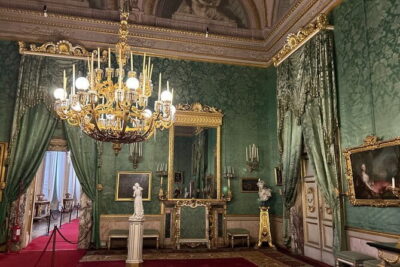
Timed Entry Ticket to Pitti Palace and Boboli Gardens in Florence
Read our review →
David, Pitti Palace, & Gardens Combination Tickets
Read our review →Browse the lists this tour appears in